Ha ha! No! That is not a joke! Then again, it may be not that serious! or is it!?
Read on! You may not laugh since knowledge is not a laughing matter!
In the novel At Home: Bill Bryson goes to each and every room and gives a run down on the history of what he sees or feels!
It is very interesting to see that each part of anyone’s home has so much history!
Then he comes out and goes into his garden! We are getting closer to our blog!
When he sees his own garden he tells us about the HA HA!
The proper way to write is actually ha-ha!
If you knew what it was before a big salute to you! If you did not then join my club!
But then you would have understood that it has something to do with the garden! Now you are definitely in my club you clever person!
So a ha-ha is a sunken fence or hidden boundary—consisting of a deep, dry ditch with a steep retaining wall on one side—designed to keep livestock out of formal gardens while preserving an unbroken, panoramic view of the landscape!
The basic idea of sunken ditches dates back to ancient deer parks (known as a “deer-leap” or saltatorium in Anglo-Saxon England), which let deer jump in but kept them from jumping out!
The modern modern concept developed in France around 1709–1711!
The term comes from the French phrase or the surprise reaction (“Ha! Ha!”) of walkers who suddenly stumbled upon the hidden drop-off!
It is said to derive from the sound of surprise (“Ah! Ah!” or “Ha! Ha!”) made by people who unexpectedly stumbled upon the hidden drop while walking through a landscape
So the name is actually that! An expression of surprise! And boy was I surprised!
According to Bill Bryson, Charles Bridgeman and John Lee introduced the ha-ha to English estates like Stowe in the 1720s. It later became a signature element of sweeping English landscape gardens designed by Capability Brown and Humphrey Repton!
In fact the feature appears multiple times in literature, including Jane Austen’s Mansfield Park! Yes that one novel of Jane you did not read (or did you!? my club president!)
Then design crossed the Atlantic in the late 18th and early 19th centuries, appearing on prominent estates such as George Washington’s Mount Vernon and Thomas Jefferson’s Monticell!
So were you surprised (ha-ha!) or happy (hee hee!)!
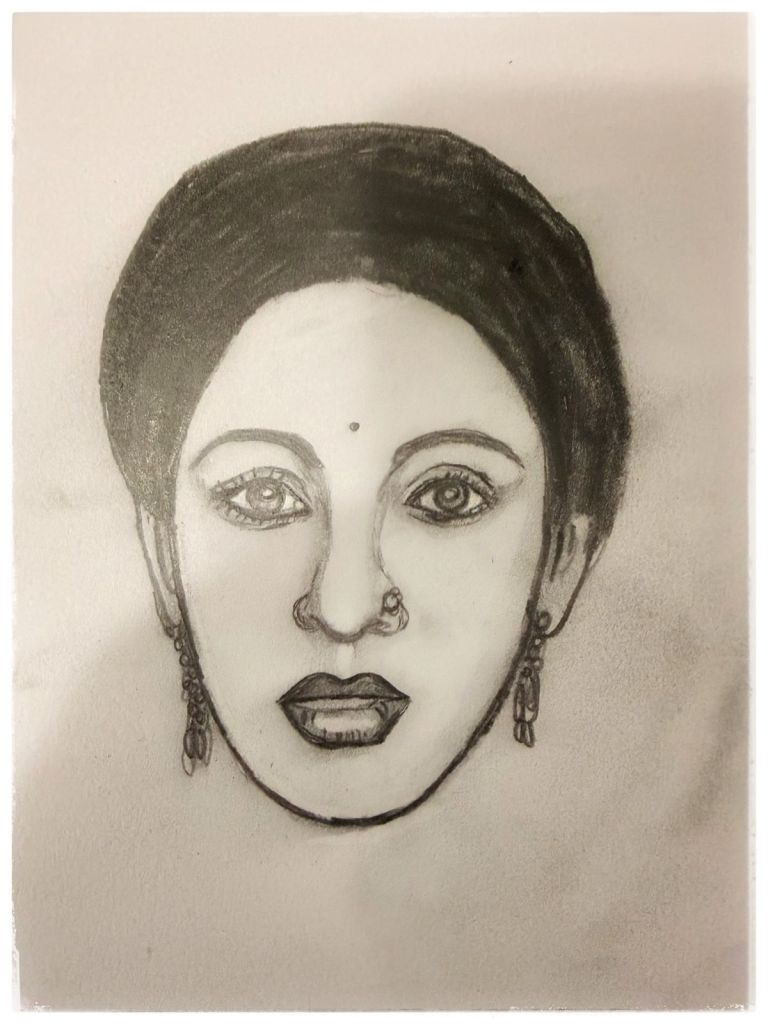
I was also surprised to know that Swaroop Sampat was Miss India! You know her as Mrs Paresh Rawal! Now don’t say oh oh!
Happy Dhanteras folks! Wish you health, wealth and happiness!
Shubh ratri!

