In the novel At Home: Bill Bryson talks about the history of diferent rooms of the house!
One shocking thing he mentions is about the state of servants in the Victorian times!
Apparently you were known by the number of your servants!
In fact the more yo had, the more rich you were! Whether you could afford them or not is a different matter!
There were apparently houses which had only one or two owners living but with more than ten or so rooms, there were more than 20 or so servants to take care of things!
Apparently there have been famous stories of people who would lose everything but still hold on to their servants since not having money to even have a servant is more insulting!
In the era of automation we take things so granted like running water or hot water or for that matter a perfect kitchen with food!
In the olden days forget hot water, even water was rare especially if you decide to take a hot water bath!
Which is where the servant comes in!
He or she had to collect the water, then heat it in the kitchen on a wooden or a coal stove and then take that heavy load all the way to the BATH room which might have been in another part of the huge house!
Remember that he or she had to do it before the water gets too cold or too hot for the master who would in any case not be satisfied! And that is just the first job of the day!
Life for domestic servants in Victorian England was defined by long hours, hard physical labor, strict social hierarchies, and a culture of enforced invisibility!
But then since the job market was rare, this was the only job which was available for most! By the late 19th century, domestic service was the largest single category of employment for women in Britain, numbering over 1.3 million to more than 1.5 million workers!
Even among the servants there was the Household Hierarchy!
The Great country houses and urban townhouses operated as two entirely separate worlds: the luxurious “upstairs” for the family and the cramped, utilitarian “downstairs” for the staff!
So there also were senior or Upper Servants!
Positions like the Butler, Housekeeper, Cook, Valet, and Lady’s Maid held real authority, managed household operations or staff, and earned better yearly wages (ranging from £30 to over £100). They often ate separately in a steward’s room! In fact many Butlers were very well read and many owners used to SHOW OFF the style and knowledge of their butlers! So far so good!
Then came the Lower Servants!
These included Housemaids, Footmen, Scullery maids, and Hall boys who did the heaviest physical work and earned meager wages (£12 to £25 a year)!
They usually slept in cold, sparse attic or basement rooms if they got time or sleep! And finally used to eat plain food in the servants’ hall after the MASTER has been fed and gone to SLEEP!
Then there was the “Maid of All Work”!
In smaller middle-class homes, a single young maid handled every chore alone—from cooking and cleaning to stoking fires—with little rest and long isolation!
So next time you get up and see a clean house with hot water and that cool AC breeze all over and watching a nice movie on your home theater; just be thankful and then some!
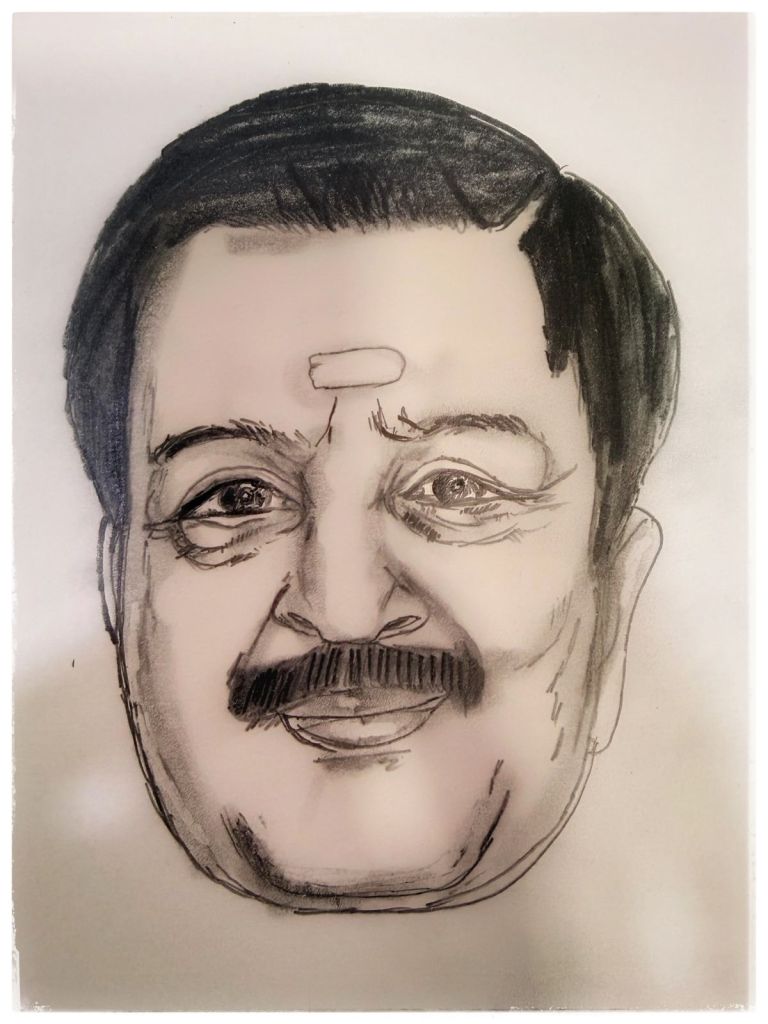
Speaking of theater reminds me of Palaniswamy! You may know him as Siva Kumar!
Now sleep on your confortable bed in the anticipation of a hot breakfast and hot water!
SHubh ratri!

