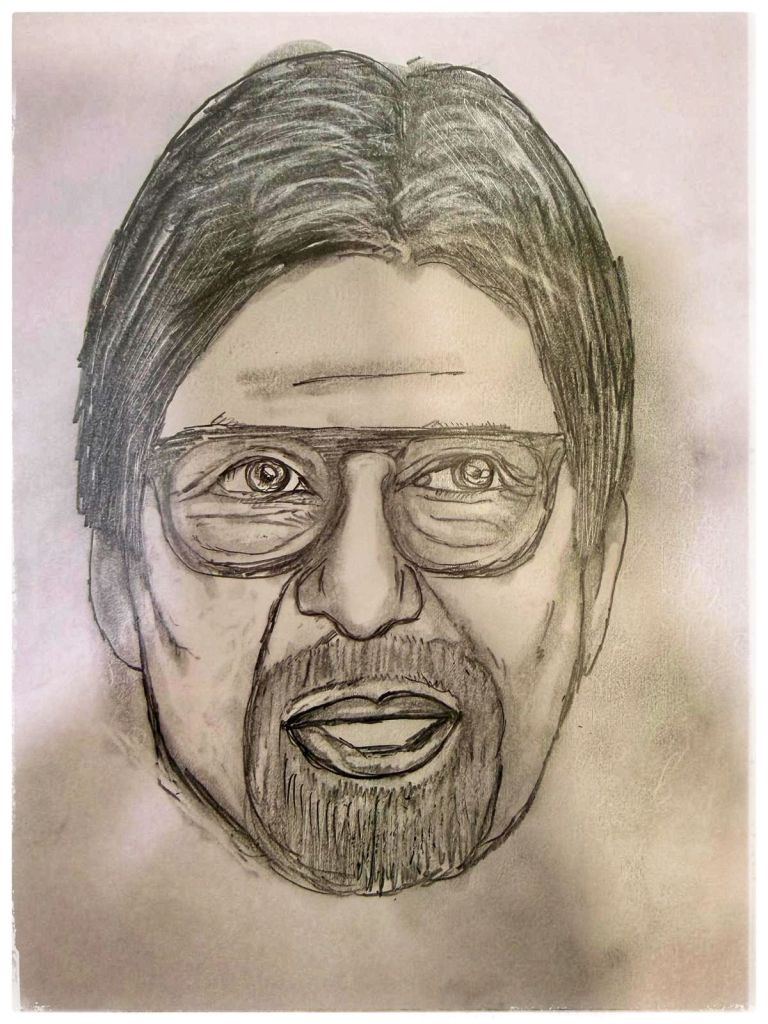
Everyone knows Newton’s law of motions! Well that is a lie! Everyone knows only the third one!
People use it in different situations and though it has been attributed to Newton, the law in many forms is the norm for ages! Of course as Bill Bryson sates in his book, Newton’s Principia actually compiled the laws and gave them recognition!
But then again this blog is not about that law as such!
Did you know that there is a similar law in our body!? Especially when it comes to the working and innervation of our muscles!?
This law is called the law of reciprocal innervation and is also known as Sherrington’s law!
This law as such is a physiological principle stating that when an agonist muscle receives a nerve impulse to contract, a simultaneous inhibitory signal is sent to its opposing antagonist muscle, causing it to relax!
Basically it means that when you want to go up, the up is stimulated while going down is equally inhibited!
The Key Concepts usually involve a pair of muscles which do the OPPOSITE work!
The first one is the Agonist or the Prime Mover! This is the muscle that contracts to produce a specific movement (e.g., the biceps brachii during elbow flexion, or the lateral rectus when turning the eye outward).
Then you have the Antagonist or the muscle that acts in direct opposition to the agonist and must relax so the movement is smooth and unobstructed (e.g., the triceps brachii, or the medial rectus of the same eye)!
The whole mechanism operates via the spinal cord or central nervous system, where afferent (incoming) or descending signals activate inhibitory interneurons that turn down motor neuron activity to the antagonist!
So the same force excites one group of muscle and inhibits the OPPOSITE group with the same intensity!
The net effect is what results in motions and other actions in the body like: Say the Limb Movements! When you bend your elbow, your biceps contracts while your triceps relaxes!
Even movements of the eyes or Ocular Motility are governed by these rules!When you look to the side, the muscle turning the eye in that direction contracts while its opposing extraocular muscle relaxes (such as the lateral and medial rectus muscles). If there is any imbalance here, this can cause problems like diplopia or double vision or squint!
Of Course there are Clinical Exceptions! Conditions like Duane retraction syndrome can violate Sherrington’s law due to abnormal nerve wiring to the eye muscles!
But all in all, most of the muscle groups usually follow Newton and Sherrington to the T and anti T!
Now those are the legends who make statements and laws which are never forgotten! Like the fame of our very own Amitabh Bachchan!
Now let the action of night get your reaction to sleep!
Shubh ratri…

