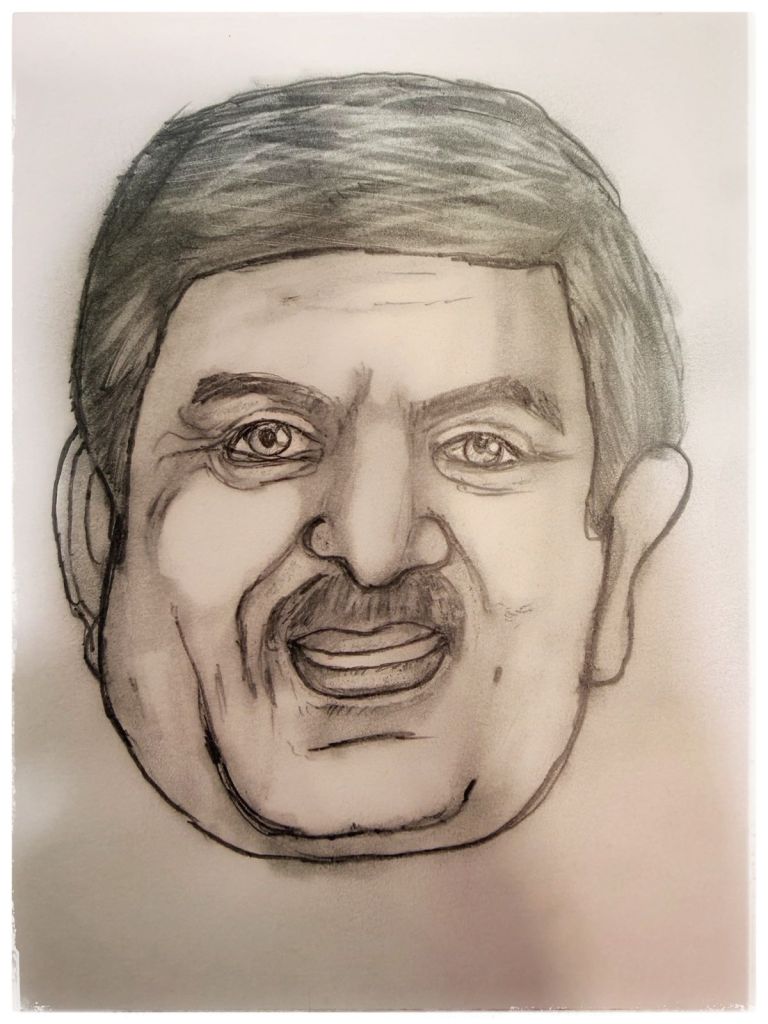
That came free and then came the need!
The king of impulse purchase!
In 1891, a 29-year old William W Jr. arrived in Chicago with just $32 and launched his own business, originally focusing on soap!
Once you hear his surname you can get the product we will reach!
Unfortunately Or fortunately as you look at it; the soap had low profit margins and William added a lot of freebies to make it attractive to the merchants!
One of the freebies he offered was Baking Powder which became more popular than the soap!
So William sidetracked from selling soaps to now selling baking powder also!
To encourage retailers to buy his soap and baking powder, he included free items like umbrellas or baking powder. He eventually began packaging sticks of chewing gum as the promotional hook!
Weird it may seem but the chewing gum became more popular than the baking powder!
So In 1892, William launched with two gum brands — Spearmint and Juicy Fruit!
What was his surname or his full name!?
William Wrigley Jr!
So you got the gum! Yes! Wrigley!
So that is the first part! Now let us finally come to point!
Impulse purchase! It is not only an impulse but a science!
William Wrigley Jr. is widely credited with inventing the modern retail checkout impulse purchase. He realized that the best way to sell a low-cost item like chewing gum was to catch shoppers at the exact moment they already had their wallets out!
Here you get the amazing Countertop Real Estate!
In the early 20th century, Wrigley began designed custom tin boxes and display baskets. He distributed them to restaurants and grocery shops with strict instructions to place them right next to the cash register.
Then he introduced the “Pocket Change” Strategy where he intentionally priced a pack of gum at a single nickel. When a customer received their change from a primary purchase, it was mentally effortless to trade one of those remaining coins back to the clerk for a pack of gum!
In the 1930s, the company introduced the Wrigley’s Profit Making Change Tray. Clerks placed a customer’s cash change directly onto a glass display tray that was integrated with 24 packs of gum, making it impossible to ignore!
Wrigley didn’t just guess that the strategy worked; they spent decades proving and optimizing it!
In 1962, the Wrigley Company funded a landmark Stanford Research Institute study to quantify consumer habits.
The data proved that 51% of all supermarket purchases were unplanned, with the checkout stand being the absolute highest-converting zone!
Today the company maintains global research teams dedicated entirely to optimizing checkout lane layouts!
They treat the checkout line as an antidote to the “emotional low point” of a shopping trip, appealing to consumer desires to refresh, reward, or remind!
All this started with a GUM and it STUCK!
Another amazing success is by Nandan Nilekani the architect of Aadhaar!
Now think of some innovative product to keep on the counter top and sleep!
Shubh ratri…
 ramadocblog