Goundamani and Latin!

You say the same thing in your native language and then someone else comes and speaks in English with an accent then more often than not, he or she will get all the attention!

Thats quomodo sit! No, that was not a spelling mistake!

But read on to realise that though now English gets a high enough respect, at one time it was considered to be crude and barbaric!

So now Impromptu means spontaneous or without preparation, Quid pro Quo means “of equal exchange or substitution.” Literally, it means “something for something”

Per se is In itself, intrinsically, of an inherent nature while A Priori is Based on hypothesis or theory, rather than experience. Derived by logic, with no observed facts!

Ad hoc mean for one specific case, many times can be replace by “specific”.
Bona Fide indicates Unquestionable or in good faith while Pro Rata is Proportionally, in equal parts and Ergo means Therefore, consequently.

Finally Audio literally means I hear while Video means I see!
Also the Thats quomodo sit above means ‘That is how it is!’

What’s great about these words is that they are all latin in origin!
Yes! What you actually pronounce is the literal meaning in Latin!

In fact one of the most derived languages in the world in English and Latin is the source for more than two thirds of the words in English!

For every word rooted in a “barbarian” tongue like Anglo-Saxon, there is a word from the Latin for the same thing. So writers can choose between the Old English “face” or the Latin “visage”; “hear” or “auditory”; “touch” or “sense.”!

Latin is often referred to as a Mother Tongue because so many modern languages descend from her. These include French, Romanian, Italian, Spanish, and many others. These are called “Romantic” languages because they descend directly from the “Roman” tongue, Latin!

But English is not a Romantic language. It is a West Germanic language that developed far away from Rome.

And yet, over 60% of English words are Latin-based. These tend to be the longer and fancier words, so the more syllables you add, the higher the percentage.

In the 15th century, English had produced no great poets, philosophers, or playwrights.

But they were seen as the exception that prove the rule: English was a lowly, crude, and “barbaric” language with little literary or artistic value!

Any great minds or artists to come out of England at this time preferred to write in Latin. They thought English was inadequate for lofty ideas or artistic expression! Now of course the whole thing is changed!

That is history! Language and customs and civilizations which were actually top notch or most developed even before many had started making clothes unfortunately get no respect while the ‘remixed’ language and neo cultures get the craze!

Then again, gold may get old but it will always glitter while the Aluminium will fade eventually!
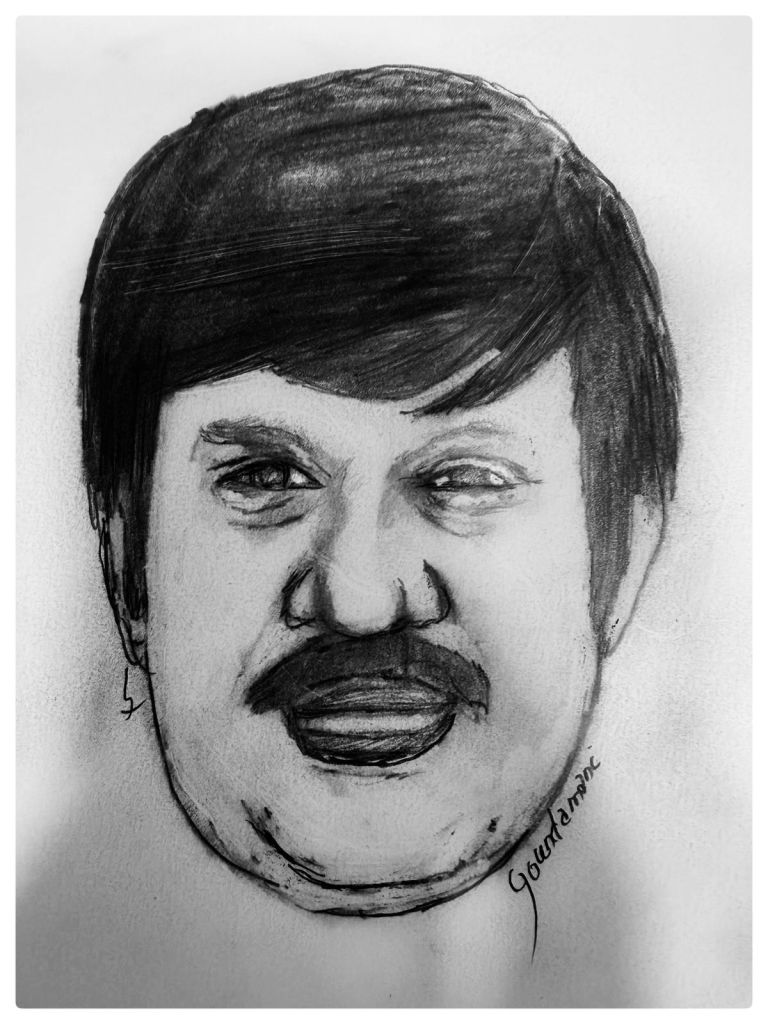
Old comedy reminds me of the old movies of Goundamani! Now I have never been his fan since his usual bit used to be a combination of body shaming and just abuse! Then again after watching some stand up nowadays with only curses and expletives; I guess he was much better!

Guess Thats quomodo sit! Or that is how it is!

Now bonum noctis! Or shubh ratri in Latin!

Glass for safety


The stereotypical scientist is usually the one with the white coat who is clumsy and awkward!

He or she may not be very steady in spite of not having a drink of alcohol!

Butterfingers is his or her middle name!

But a keen curious scientific mind will compensate! A butterfinger scientist’s clumsiness is now responsible for one of the greatest inventions in glass!

Actually even Butterfingers has an interesting story!

A butterfingers is someone with a clumsy tendency to drop things they’re holding. Being a butterfingers is considered a particularly bad trait in baseball, for obvious reasons. The common use of this term by sportscasters in the 1920s inspired the name for the newly-invented candy known as Butterfinger!

One such butterfingers was Edward!


One fateful day in 1903, scientist Edward Benedictus was working in his lab when he accidentally knocked over a flask.

However, when Benedictus looked down, he noticed that rather than breaking into a million little pieces, the glassware had actually just cracked slightly while maintaining its shape!

Further investigation made him realize that a film had formed on the inside of the vessel! The vessel had contained an alcohol solution of collodion, a plastic made by treating cotton with a mixture of sulfuric and nitric acids!

When the solvent evaporated, a film of plastic was left on the inside of the glass. An interesting observation but Benedictus thought no more of it until he read a story about a young girl being cut by glass in one of the first automobile accidents. He then spent the night trying to make a coating on glass and within a day had produced the first sheet of “safety glass” which he named “triplex” since it consisted of a sandwich of two sheets of glass with a film of cellulose nitrate in-between!

Even if the glass broke, the pieces were held in place by the plastic layer!

In 1909, Benedictus applied for a patent and triplex went into production. The first practical use turned out to be in the face shields of WW I gas masks, but by the 1920s triplex became a standard item in American automobiles!

One problem was that the cellulose nitrate yellowed with age. In 1933, triplex was replaced by cellulose acetate, which was not quite as strong but did not yellow. The synthetic resin, poly(vinyl butyral) eventually was found to be superior and has now been the standard in windshields since 1939.

And it all began when a chemist couldn’t hold on to a flask because of his butterfingers! And then we got the safety glass which is a class apart! A big class apart and very much loved by one and all was also Puneeth Rajkumar
aka Appu! He will not be forgotten for sure…

OM shanthi…

Shubh ratri!

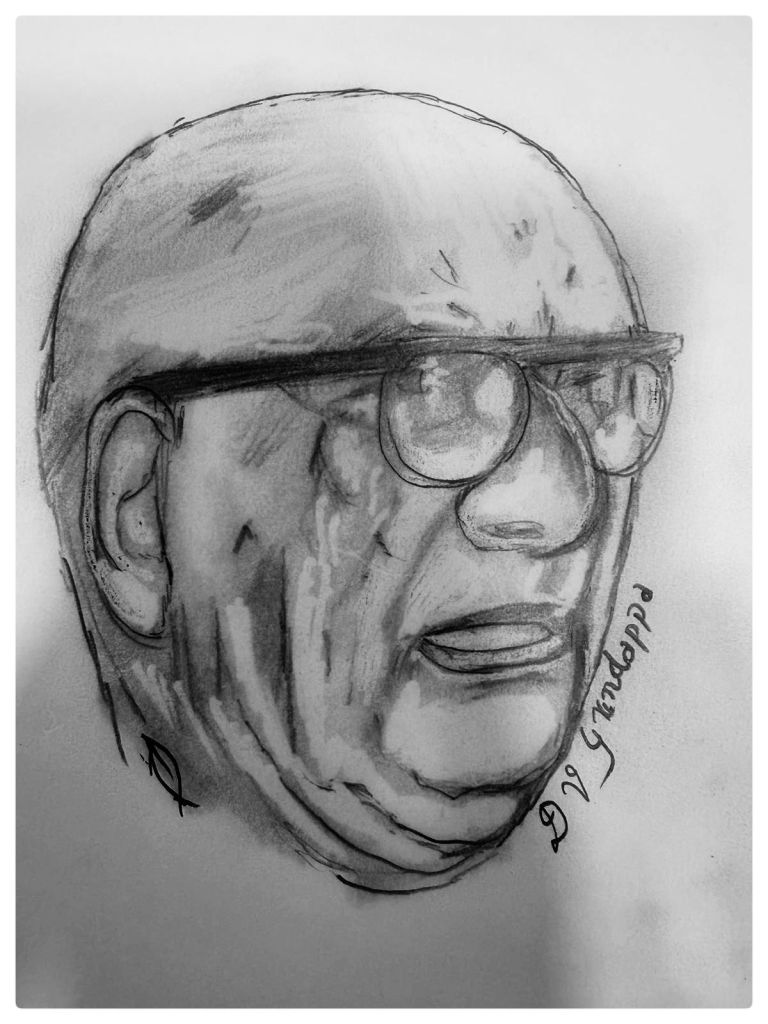
DVG

Do you know what is Overview effect!?

Well, it is profound! Just as the astronauts who were stranded in ISS for nine months are coming back soon; they all would have faced this effect looking at the Earth from above!

The feeling that our planet is just a simple fragile speck in the whole Universe!

That is called the Overview effect!

The overview effect is a cognitive shift reported by some astronauts while viewing the Earth from space.

Researchers have characterized the effect as “a state of awe with self-transcendent qualities, precipitated by a particularly striking visual stimulus”.

The most prominent common aspects of personally experiencing the Earth from space are appreciation and perception of beauty, unexpected and even overwhelming emotion, and an increased sense of connection to other people and the Earth as a whole!

The effect can cause changes in the observer’s self concept and value system, and can be transformative.

Of course you do not have to spend nine months in the ISS to get these effect! If you face a life changing experience then you would start to realise that fact life is so fragile that you must enjoy and take care of it as much as possible! You must appreciate the small things in life which are actually the best!

For many people, a regular office job with a steady salary and more or less steady health is Utopia!

The effect on astronauts seems to take hold of astronauts regardless of culture or nation of origin and it has been observed that cultural differences, including differences in religious and social identity, affect the ways in which the effect is experienced and interpreted.

Author Frank White, who in the 1980s coined the term overview effect after interviewing many astronauts, said that the overview effect is “beyond words”, requiring experience to understand, even likening it in this regard to Zen Buddhism!

He said that astronauts’ very first views of the planet were generally very significant, adding that some experience the effect “in a moment” while in others it grows over time; and generally that the effect “does accumulate”.

Of course not all astronauts experience the overview effect.
This is true for professional astronauts, who are focused on their missions—versus people who have recently been going into space “with an intention to have an experience” and who may already be aware of the overview effect. Also it depends on the time of stay which can have a profound effect on the feeling of the finite nature of life!

Of course many state that it may actually a mental disorder stating that the effect embodies a natural imperative for humans to pursue space travel and colonization! In fact there is a concern that a perception of having achieved a new level of enlightenment can cause a feeling of ‘divine experience’ which can actually lead to what some call the “overlord effect” akin to some spiritual guru having a divine transformation!

Then again, it is better to not over analyse things too much and just be happy that they are coming back! Just remember that seeing our home against the blackness of space is a profound experience that leads to a greater appreciation for Earth and its apparent fragility, and a deep connection to humanity as a whole!

And this is a feeling for anyone who has been away from his or her family for a long time! For them simply spending time with their family is pure bliss! Bliss is also listening to music and for some listening to poetry! Which reminds me of the legendary
Devanahalli Venkataramanaiah Gundappa, popularly known as DVG! Celebrate his birth anniversary by reading couple of his great works and you will feel bliss and sleep well!

Shubh ratri!

Chocolate!

The safest ice cream is the vanilla but for many, the preferred ice cream is the chocolate! Then you have the smell of chocolate or freshly baked chocolate cookies! You can now almost feel Elsa and Anna say to each other, “What’s that smell? oooh! Chocolate!!”

Many who actually love the chocolate and the chocolate flavoured stuff actually like only the sugar though! Then again the famous cookies made popular by the series Friends was in fact a sugar sweet accident!

The truth and more importantly (you may ask what is more important than truth; well it’s chocolate!) cocoa is bitter!

That’s because flavanol-rich cocoa has a bitter taste, so sweet manufacturers add lots of fats and sugars to create commercial delicious tasting chocolate!

Even the famed chocolate milk shake is simply sugar with chocolate flavour! You like the sweet! Of course cocoa does enhance the flavour and boosts the  taste so it is not all in vain! Which is why you can add some to your coffee like me! Not to filter coffee though! That’s blasphemy!

Chocolate is defined by the Encyclopedia Britannica as a “food product made from cocoa beans”, which come from the cacao tree.

Cacao is actually Greek meaning “food of the gods.”
The Beans harvested from the cacao tree are processed into cocoa powder or cocoa butter which is then incorporated into a wide variety of foods and beverages. Cacao trees were first cultivated more than 3,000 years ago by the Maya, Toltec, and Aztec peoples, and used in ceremonial beverages, currency, and even as a treasured item to be buried along with dignitaries for the afterlife!


Now remember Phoebe’s french grandmother who made the best chocolate chip cookies and turned out to be Nestle Toll house!? That was funny! But how the cookie were invented is actually chocolatey and sweet!

Ruth Graves Wakefield (where have you heard that before!? Corn flour and baking powder perhaps!?) was the co-owner of the Toll House Inn.

One fine day she was preparing some chocolate cookies for her guests when she realized that she was out of baker’s chocolate!
Thinking on her feet, Wakefield decided to chop up a block of Nestle semi-sweet chocolate, assuming that it would melt and spread evenly throughout the batter!

Instead, what came out of the oven was the very first batch of chocolate chip cookies! It was called the Nestle Toll house cookies! Now of course you have dozens of varieties of these cookies but that was the first and probably the best!

Hopefully all that chocolate talk made you hungry!

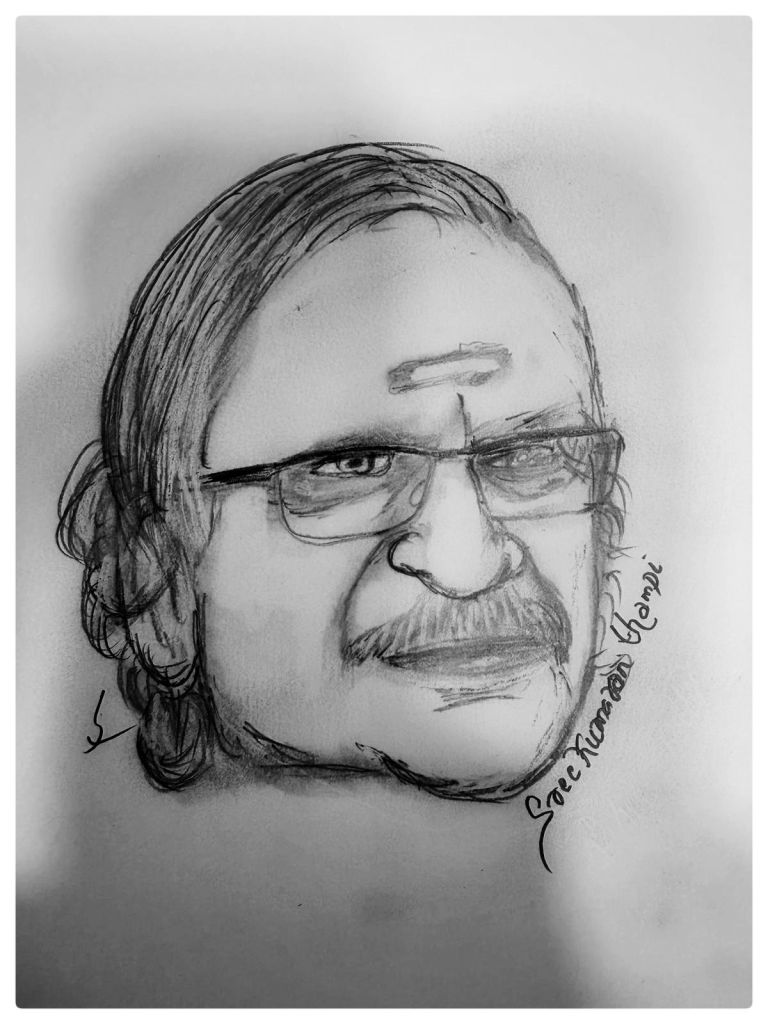
If not listen to some songs by Sreekumaran Thampi and maybe it will stimulate your taste buds!

Have a chocolate sweet sleep!

Shubh ratri!

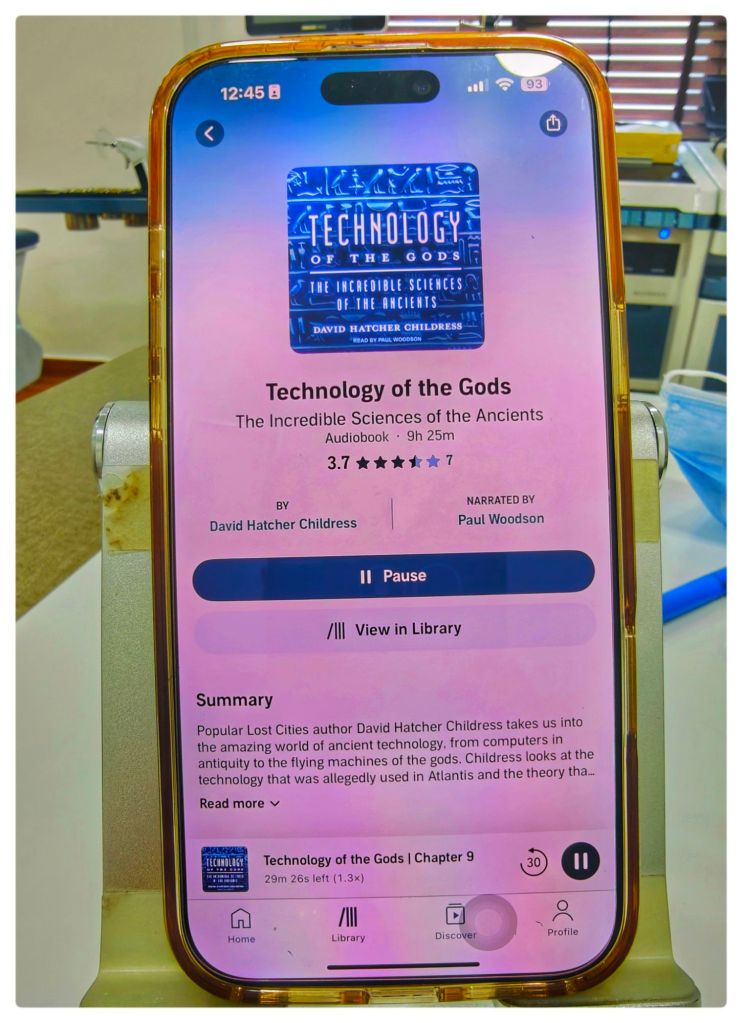
Technology of the Gods; The incredible sciences of the Ancients by David Hathcher Childress

Technology of the Gods; The incredible sciences of the Ancients by David Hathcher Childress

Audiobook read by Paul Woodson

Non fiction Genre

Close to ten hours of listening time but to understand the amount of information given may take time

In the beginning itself the author states that many of the ‘claims’ have to be considered with an open mind!

He states that technology is really amazing since we do not know what actually happened!

He also states that the history is always written by the winner!

So skeptics and those who questions even their own mirror image are sincerely advised to skip this book!

One of the first things to discuss was the fact about drainage and sanitation!
The author give so many examples of the fact all over the world! How closed drainage and freshwater (though available in most places only for the upper echelons of the society) were available in many houses and places! How Romans had amazing drainage systems! How hygiene was of prime importance and thus maintained in ancient India!

The two chief civilizations which has been praised for their knowledge and may be even magic and technological prowess beyond imagination is Indian and Egyptian!

One of the widely speculated and interesting work is on the mysteries of the Sphinx and the Pyramids! With so many speculations and theories you can very well know that no one knows what and how they were made! No one can even say confirmatively on what what the function of these structures!

The wild theories are then not limited by imagination!

Then the author almost eulogises the great works of India namely the Mahabharata and Ramayana (of course he gets most of the pronounciation and stories wrong!). He also tells about the surgical techniques as enumerated in Sushruta Samhita and of the secrets and designs of an advanced flying machine in Vimana Shasthra!

Not to forget the description of the weapons of mass destruction in vivid detail! In fact one of the description was eerily close to the description of the nuclear bomb of the modern time!

Even if you think of the description of the flying crafts mentioned in these books as simple flights of fantasy, the technical description will certainly shock you and how!

Then you have the Mercury vortex! This is like the power system of the ancient times and the author gives a lot of examples of their use!

He also gives examples of previous nuclear explosion like the glass sheets which could have happened only if the sand had melted in very high temperature like maybe during a nuclear explosion!

In many places it has also been suggested that the Earth is like a power source and many structures are like power stations!

A whole section about the Pyramids including many theories on their structure and functions including and not limited to alien technology!

Of course you need a very high level of openness to even start accepting even the most basic explanation!


There signs of an highly developed civilization called the atlantis all over the world which is by the megalithic structures and many cities found underwater. Here the author also mentions how the kingdom of Ram in India was also a well developed one! He states how the developed world of today is simply a redeveloped world!

There have been evidences of modern and primitive people or civilizations living together and it is likely that we were the primitive civilization of the past who have simply reached the development already attained by a previous civilization ages ago! The evidences of their glorious past are either indirect or it is possible that the advanced weaponry developed by them finally lead to their destruction! He also mentions how we are also going in the same path!

He also tells the story of osiris and how his ‘pieces’ are buried in different places of importance in relation to technology for instance.

A section about metallurgy states the fact that separation of metals is a complex and advanced science which has been around for ages and there have been evidences of this all over the world! This includes the separation of iron and other metals.

But the most interesting this is the separation of aluminium since that separation from the ore Bauxite needs electrolysis! Which of course needs electricity! So if aluminium is found in ancient times then it may point towards the fact that the ancient people had access to electricity in one way or the other?

Then he mentions about the mercury vortex engine and the separation and uses of mercury linking it to even the modern use which was pretty interesting to say the least!

Then another chapter on ancient electricity! Yes!  2000 years old electrical battery! 

Then a chapter on ancient flight and aerial warfare! Here you have ancient rockets and aircrafts!

Then you have accounts of ancient atomic warfares all over the world not to leave out Ramayana and Mahabharata! Imagine that the fused green glass was found which could only be formed by such great explosions!

Of course a large section has been dedicated to the mystery of Egypt like the Sphinx and the Pyramids. Since no one knows who, why and how they were built; the speculations are so many and many of them are really creative!

In one section he tells about this old chamber where there was a specific frequency which was the resonant frequency all over and in fact even in Indian history this frequency is deemed important further supporting the notion as power stations of the Earth! A 438! Sounds very mysterious and historical indeed!

All in all you must have a open and imaginative mind to even begin to read or listen to this one!

A thrilling ride nevertheless!

Rohit Shetty

Do you know what is a mainspring!?

Lemme tell you a little story first!

Took my wrist watch one fine day and thought of repairing it! It did not matter that I was only 12 years old! I saw a small thread like structure sticking out! Thought that it is obstructing the tick of the watch and took it out!

That was the moment I decided to not become an engineer!

What I had removed was the heart of the watch called the mainspring!

A mainspring is a spiral torsion spring of metal ribbon—commonly spring steel—used as a power source in mechanical watches, some clocks, and other clockwork mechanisms. Winding the timepiece, by turning a knob or key, stores energy in the mainspring by twisting the spiral tighter. The force of the mainspring then turns the clock’s wheels as it unwinds, until the next winding is needed!

Now do you wonder why watches are called watches!? Of course you are a normal person who does not take out the mainspring of a watch and wonder these things but in case you do then this is why a watch is presumably called a watch!

The watch was developed by inventors and engineers from the 16th century to the mid-20th century as a mechanical device, powered by winding a mainspring which turned gears and then moved the hands; it kept time with a rotating balance wheel.

So one account of the origin of the word “watch” suggests that it came from the Old English word woecce which meant “watchman”, because town watchmen used watches to keep track of their shifts.

Or like many old theories, this could also be related to the sea! This states that the term came from 17th-century sailors, who used the new mechanisms to time the length of their shipboard watches (duty shifts)!

I love to watch watches! The different clocks and the wrist watches give me so much thrill! The regular ticking of the old mechanical watches still gives me a sense of routine and regularity! It could be because I like to be punctual and looking at the time or ‘watch’ every other instant is a habit and a curse! Which is why when I do not have access to time, I feel the time is getting lost or wasted!

So in spite of having an assortment of digital watches, one of my favourite is still the mechanical pocket watch which I have! I take it out, check the time which is mostly wrong and put it back again! Yeah! That is definitely a waste of time or being crazy!

Then what would you call someone who buys a watch which basically tells you the same time for $55 million dollars!?

Do you know the costliest watch in the world? Well, for now Claiming the title of the world’s most expensive watch is the Hallucination by Graff Diamonds.
The watch is set into a platinum bracelet and made from 110 carats of rare coloured diamonds of various cuts and finishes and if you use your bargaining skills, you can get it for around 55 millions dollars (taxes extra!)

If that’s making your head spin, you can unspin by watching a Rohit Shetty movie! Full paise wasool!

Now watch your watch for alarm and sleep!

Shubh ratri!


Never too late to play holi!

This is one of the inventions which had a liquid necessity!

Ok now! Do not get drained!

Did you know that the web cam was invented just to see the level of Coffee pot in the break room!

The love of coffee for the average IT guy is well founded!

If you want some work to be done in your computer or some peripheral is not working (which is usually the stupid printer!); and you call the IT guy (or gal for that matter!); more often than not, he or she would have gone on a coffee break!

All you have to do next time is say that you have ordered some fresh coffee and he or she would come running!

Since I hardly drink anything except water, the craze or craving for coffee is beyond my comprehension but apparently that amazing web cam you use almost everyday was made for coffee!

Previously though the cams used to be the extra attachments and then some came with inbuilt ones which is the norm now! Apart from the IT guys there may be few who use them but once upon a time (which could be as less as five years back when I think about it!) it was a very basic and essential feature!


In if you think about it at the beginning of the nineties, the fledgling world wide web had no search engines, no social networking sites, and no webcam! And of course no internet bills!

The scientists credited with inventing the first webcam – thereby launching the revolution that would bring us video chats and live webcasts – stumbled upon the idea to solve a big physical problem!

Now now, IT dudes are not exactly physical! If they had to make a trip even for coffee, it better be worth it! So as  Dr Quentin Stafford-Fraser observed, the problem for the  scientists was that the coffee pot was stationed in the main computer lab, known as the Trojan room, and many of the researchers worked in different labs and on different floors!

“They would often turn up to get some coffee from the pot, only to find it had all been drunk,” Dr Stafford-Fraser remembers!

To solve the problem, he and another research scientist, Dr Paul Jardetzky, rigged up a camera to monitor the Trojan room coffee pot.

The camera would grab images three times a minute, and they wrote software that would allow researchers in the department to run the images from the camera on their internal computer network.

This removed the need for any physical effort to check the coffee pot, and avoided the emotional distress of turning up to find it empty!

However, it wasn’t until 22 November 1993 that the coffee pot cam made it onto the world wide web.

After the camera was connected to the Internet a few years later, the coffee pot gained international renown as a feature of the fledgling World Wide Web, until being retired in 2001!

Even now the old IT timers may remember the trojan coffee pot with nostalgia during their coffee or tea break!

Talking about old timers! We joined holi celebrations just like old times! And realised that you are never too old to play holi!

A rare colour sketch which represents that!

Hope you had a happy Holi!
Shubh ratri!

The gold of the past!

There was a time when you would rather wear this metal than gold to decorate yourself!

And to think that now you can see this metal as a tumbler to wash even in a prison toilet!

Ages ago even the most powerful kings used to wear a piece of this on their crown with pride!

No! It is of course not Gold or even Silver! It also cannot be platinum since the biggest fear a platinum user has is that it would be mistaken for silver!

The metal in question is a shiny silvery one called Aluminium!

How precious it was can be gauged by this fact that in the mid 1850’s the annual production of aluminum in the United States was less than 93 kilograms, while gold production was more than 90,000 kg per year!

That is how rare it was!

Aluminum was so rare, scarcer than gold, that it was highly valuable. One story that illustrates this concerns the Roman emperor Tiberius. When he was gifted a plate made of a silvery-white metal that he had ever seen before, he was so shocked that he ordered the smith who had crafted it to be executed. This was because he feared that if people learned of this new wonder metal, it would drive down the price of his gold and silver reserves!

Another example of aluminum’s reputation as a precious metal involves King Christian of Denmark, whose crown was made of aluminum.
Napoleon III ate dinner with utensils made of aluminum rather than silver!
To be served on Aluminium plates, with crude Aluminium eating utensils was considered the highest honor. Napoleon offered the aluminium utensils only for the most important guests!

While the “Lesser” guests were served on plates and eating utensils made of “cheap” Gold and Silver! Imagine that when you do eat food on a silver or gold plate while prisoners in a poor country eat with Aluminium along with the great kings!


Even in the 1880s, the Washington Monument was built with an aluminum capstone when the metal still cost roughly the same as gold! So it was the aluminium which made it so costly!

Now Gold has always been a pride and for ages it will be since it is always shiny and alone! You know its gold since it does not react with anything but the extraction is easier since you know that is gold!

But pure aluminum was much rarer than silver and gold because it was never alone! While the other precious metals were not very reactive, aluminum was just the opposite; it was highly reactive and pure aluminum is therefore hard to find. Aluminum ores such as alum and bauxite were extremely common, but scientists were unable to reduce them down to elemental ingredients!

It was like the proverbial water water everywhere but not a drop to drink!

It took many years and a great deal of effort for metallurgists to isolate aluminum, and even longer to develop an economically feasible process for extracting it for commercial purposes.

Today Aluminium is produced by the electrolytic reduction of molten Bauxite. The use of electricity and electrolysis is the chief reason why now the Aluminium became so common and sadly, cheap!

Then again Aluminium is still an amazing metal! It is used everywhere from building jet aeroplanes to bicycle frames, refrigerators, computer and smartphone casings, cooking foil and and thousands of other common objects! One of the best and common use is in the Aluminium foils!

You are literally folding your old sandwich with the metal which had once been on the crown of some of the most powerful kings of the world!

If that does not make you feel like a king, well then use Gold or Silver like the ‘lesser’ guest of the past!


Of course those were the days of the Butler with elegance and sophistication! Which reminds me of Albert aka Michael Caine in Batman trilogy!

Now wrap some leftover in aluminium foils and sleep like a king!

Shubh ratri!

Libyan Glass!


Everyone has class…I mean Glass!

It is really frustrating when a glass breaks! But (he he!) you have to understand that glass is essentially an artificially made solid from liquid!

Did you know there is a type of glass which is so rare because it is natural and made by an asteroid impact which generated hear to more than 1600 degrees!?

When it comes to glass, all you can do is be amazed! I have lost count of the number of glass articles I have broken! Clumsy and butter fingers are my nicknames!

Then again if it is not a mirror then it is not bad luck! At least that is what I say to comfort myself!

We all know glass is so delicate which is why we cannot get over this fact when it is made to be bullet proof or the floor of a tall building and you can see down in disbelief!

It is actually an amorphous solid—a state somewhere between those two states of matter.

Made from melting sand, soda ash, and limestone at a high enough temperature, glass is structurally a liquid; however, it behaves like a solid at an ambient temperature.

Know that though, in proper temperature glass is a liquid!

Then you have the most rare and precious glass! The Libyan desert glass!

Since it is rare it has now become a legend!

Libyan desert glass is the name given to fragments of canary-yellow glass found scattered over hundreds of kilometres, between giant shifting sand dunes.

Interest in Libyan desert glass goes back more than 3,000 years. Among items recovered from King Tut’s burial chamber is a gold and jewel-encrusted breastplate. In the centre sits a beautiful scarab beetle, carved from Libyan desert glass!

Now how the glass formed has long puzzled scientists.

Studies show the Libyan desert glass formed about 29 million years ago. The glass is nearly pure silica, which requires temperatures above 1,600°C to form, and that is hotter than any igneous rock on Earth!

Apparently 28,500,000 years ago to be precise, the skies above North Africa were lit up by an asteroid hurtling through the atmosphere. The intense and immediate heat of this event fused the sands of the desert into a yellow-green tektite known as Libyan desert glass. Due to the lack of any visible impact crater, the most likely source is a low-density airburst explosion leading to the fusion of silica-rich sands roughly 28,500,000 years ago. Since then, Libyan desert glass has caught the eye of everyone from ancient Egyptian pharaohs to the scientists of today. the ancient Egyptians called these formations the Rock of God.

Now it is a cosmic event but when there is a cosmic event which had actually melted the Earth, then it is an event to be remembered! Also events to be remembered are the ones in which you have the singing sensation Falguni Pathak!

Now drink some water from any non Libyan glass and sleep!

Shubh ratri!

Habit!

This was a very interesting clue when we were young (er!)

If you take the first letter of this word then a bit remains, if you take two then bit remains and if you take three then it remains!

The answer of course was Habit! And just like the spelling, the meaning also stands testimonial to the fact that if you have a habit then it does remain!

So it is better to develop a good one!

But (putting a but in the middle of the blog is my habit!) did you know that the root of this word was related to clothes!?

The word habit is pulled from the Latin words habere, which means “have, consist of,” and habitus, which means “condition, or state of being.”

It also is derived from the French word habit (French pronunciation abi), which means clothes! In the 13th century, the word habit first just referred to clothing. The meaning then progressed to the more common use of the word, which is “acquired mode of behavior.”!

One of the best books specifically about habits and good habits is Atomic habits by James Clear.

In this he states how you must have demarcated zones for your habits! Basically which means that once a habit is ingrained then it is difficult to change! Like how you can’t eat in the bedroom and you must never sleep in the living room! When this becomes ingrained then unless you decide to sleep and go to the bedroom, you will not sleep!

One of the first things in the novel was on making the habits obvious! One of the first things to do is to make a scorecard on your current habits and classify them as good, bad or neutral!

Habit formation is the process by which a behavior, through regular repetition, becomes automatic or habitual. This is modeled as an increase in automaticity with the number of repetitions, up to an asymptote which is a plateau.

This process of habit formation can be slow but when it is established then it is difficult to change! Of course with some limits it has been found that the average time for anyone to reach the asymptote of automaticity or formation of habit was 66 days with a range of 18–254 days!

It has thus been suggested that if you want to change your bad habits to good one then you must adhere to some rules!

There are apparently four basic effect and response to any habit and if you want to change your habit then you must modify those!

The first is Craving which makes the habit attractive so try to make the habit unattractive! Second is when the habit is obvious so your cue is to make it hidden, the third is that bad habits are easy to learn or get so try to make it difficult! Finally bad habits are satisfying and rewarding so you can try to make them unsatisfying or unrewarding!

Now these are the simple answers on how to do it! It all depends on how you actually get it done! The intent and the persistence is the prime factor which makes a good habit stick. Of course man (or woman for that matter!) is a creature of habit and one chief habit of everyone is to give free advice which is so easy to give but difficult to follow!

But some habits like sketching or blogging can be good provided you have time and good intention! A legend with great intention which was fulfilled is Dr Viswanathan Shanta!

Do read about her!

Shubh ratri!