Primum non nocere

Nocere is the Latin word for hurt or harm!

One of the first things we learn in medical education has this word at the top!

The term is “Primum non nocere”!

This is the dictum and the first and foremost rule for any medical practitioner!

This Latin phrase means “first, do no harm”.

It’s a fundamental principle in medical ethics, emphasizing the importance of avoiding actions that could cause harm to a patient, even if those actions are intended to help. This principle is a cornerstone of medical training and practice worldwide.

Nocere also comes again in our medical education in the form of Nociceptors which were discovered by Charles Scott Sherrington in 1906.

A nociceptor (“pain receptor”) is a sensory neuron that responds to damaging stimuli by sending “possible threat” signals to the spinal cord and the brain. The brain creates the sensation of pain to direct attention to the body part, so the threat can be mitigated; this process is called nociception!

It is surprising that even though the brain perceives pain, the brain as such is painless! There have been times when there have been huge affliction to the brain with no pain! This is really sad since your biggest friend is pain! Pain is the brake to your speeding body!

If you ask a driver, how fast his or her vehicle can go then an experienced driver would tell that the speed does not depend on the engine power or the road! But it depends on the power of the brake! This is what the pain does to your body!

In simple terms when you have pain, it’s the best thing that can happen to you!
Most of the problems of the body lead to pain which is one of the first indicator of the underlying issue! The pain is also the first symptom we ask to any patient! The elicitation of pain on your body is called eliciting ‘Tenderness’! This is one of the most important clinical examinations in medical practice.

Most of the time all you need to know is to ask the site and severity and duration of the pain to make your diagnosis and treat! The frequency and factors which increase of decrease the pain also further make our diagnosis as well as management more efficient.

In some conditions you do not have pain which is really bad like those with diabetes  which is why it is an issue.

One of the most distressing pains is the pain of Migraine which is actually the body’s reaction to either a skipped meal or a disturbed sleep! In fact the history of pain in migraine is the cornerstone in its treatment in which the most important factor is to avoid the trigger of migraine or pain!

So remember that pain is thus your irritating but actually helpful alarm which is waking you up to face the danger! So next time you have pain, try to find the cause before popping that pill And  reduce stress maybe by watching an old movie!

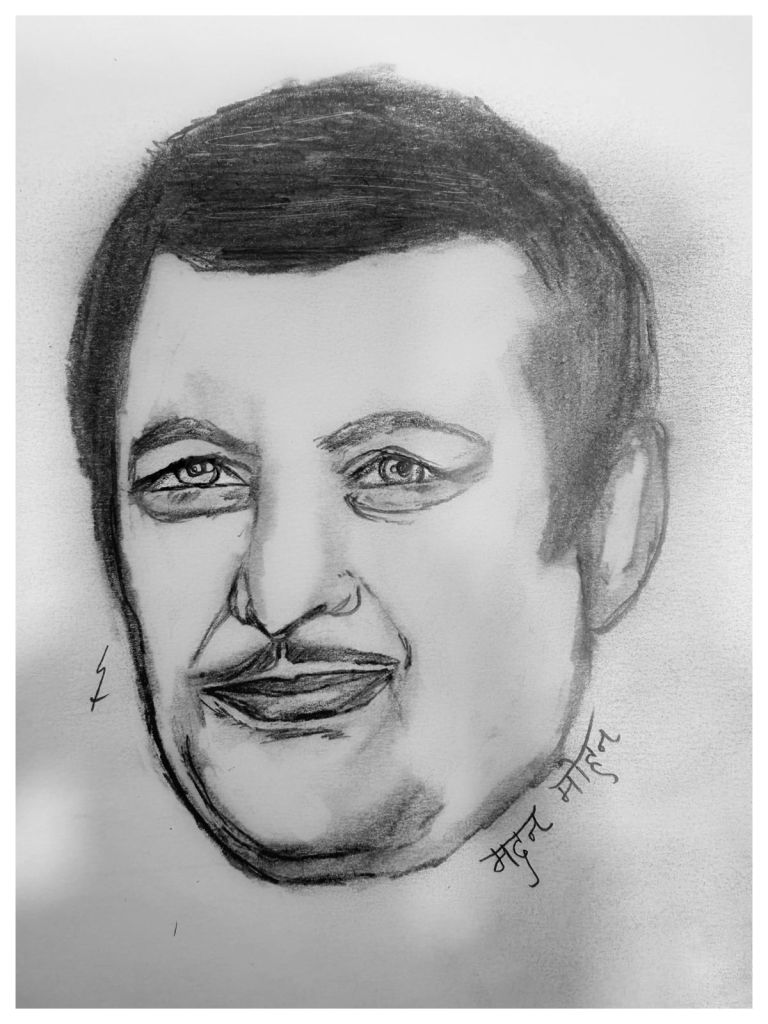
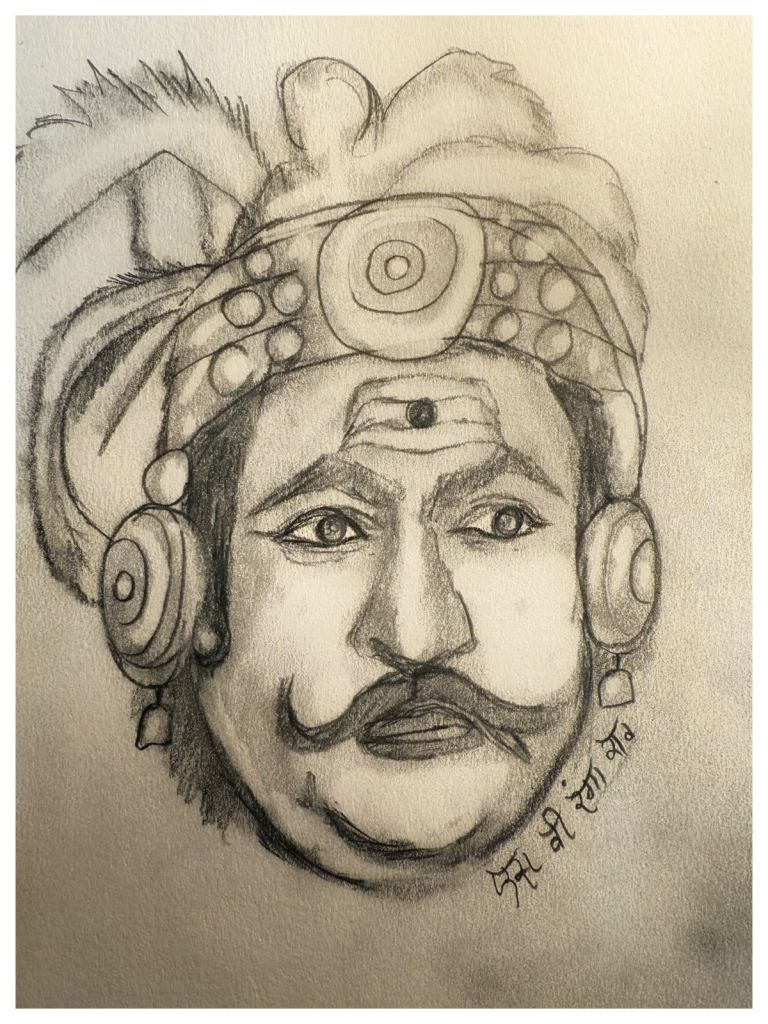
My recommendation is Mayabazaar especially the scene and song called Vivaha Bhojanambu starring Samarla Venkata Ranga Rao!

It’s a laugh riot!

Have a painless Sleep!
Shubh ratri!
Race of the rat!


When someone said that life is a race; he or she was not kidding!

It is definitely a race!

It starts the moment you get up! It is a race to get ready, have breakfast, beat the traffic and race to reach your work on time!

Then you have the race to finish the work on time and rush back to home to finish the pile of work at home!

The pile of clothes to be cleaned and folded! Your kid’s home work and assignments to be completed! The bills to be paid, the food to be cooked and the house to be cleaned!

Even if you have loads of money and help to do all these, there is still a race to keep the money flowing! You have to race to catch a flight or to catch an important client!

The race never leaves you! Even in the end; lying down on your bed, all weak and unable to move; you have the final race; against TIME!

In fact the actual term is Rat race!

The term “rat race” refers to an endless, self-defeating, and often stressful pursuit of success, typically in a competitive environment. It is called a rat race because it evokes the image of rats frantically scurrying in a maze for a piece of cheese, a pointless and exhausting exercise that ultimately leads nowhere.

It is a miracle how with all this racing around, many people are so successful! They do so much and continue to shine! Of course that also is a matter of time! The champion of today will be forgotten the moment you have a new one!

So once in a while, just STOP! Take a breath! Take a break! The engine needs an overhaul! Your body also needs rest! Let the time run! Turn off the phone and take a look around! Recharge yourself and get ready to race again!

Luckily we humans can take a break from the race! Nature is not so kind!

A gazelle is given the gift of nature to be consistent. To run for long and to run fast but it normally has a slow start! It is always thus racing!

A cheetah can run fast and be quick! It’s chief power is the element of surprise! The sudden attack and the quick start! But if the chase continues then it stops since it cannot maintain the speed! That’s why the gazelle does not give hope though in the end the one gazelle which does not run that fast or is not persistent or is a little slower than the other gets eliminated! The Cheetah is in the race for food while the Gazelle is in a race for his or her life!

Remember the most famous race of the animal kingdom? Well it is the race between the tortoise and the hare! But the story is not so simple! The tortoise can be slow since it has a hard body! There is less danger! The hare on the other hand has no defense whatsoever! Which is why it has to be fast! As a story you may think how the tortoise won! But in the wild, the hare has to win always! When he or she does not win the race; well that is end game! Now that is a HARE (hair!) raising race!

So stop for a while and breath!

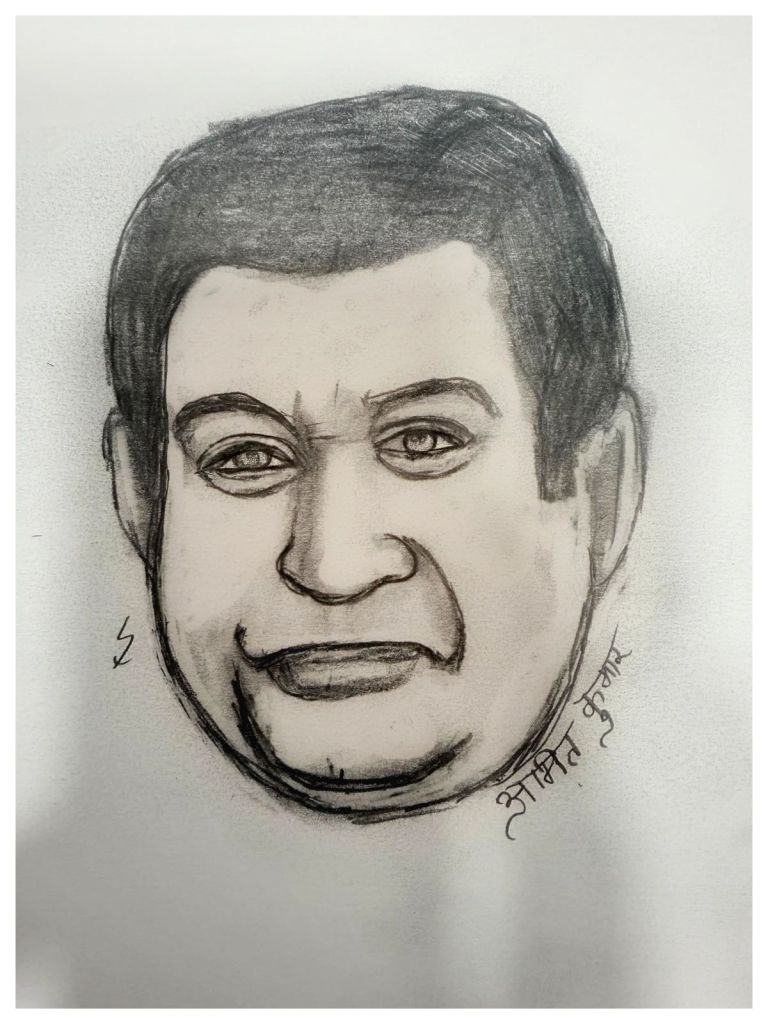
Let the race begin tomorrow! Today just listen to Amit Kumar and relax!!

Shubh Ratri!

Morse code ganesh!

History is historical! and sometimes Hysterical! Most of the time though it is simply a point of view!

Now if you read the story of the invention of Telegraph (read Samuel Morse!) and how the first message was transmitted you would get goosebumps!

The first message was “What hath God wrought?”

Not to mention how SOS is now an amazing acronym to Save our soul!

All in bliss! Which is Ignorance!

By the way, that was not the first message! SOS does not have that acronym and more importantly Morse did not single handedly invent the telegraph!

I know! What would the quiz masters say! Now please do not shoot the messenger! If you want you can shoot the actual messenger! That is Bill Bryson who mentioned all this in his novel Made in America!

Now do not get me wrong (See if I care! actually I do!); the telegraph is an amazing invention!

The telegraph’s introduction had a profound impact on the media. Prior to the telegraph, news traveled slowly and relied on physical transportation methods, such as mail and messenger services. With the advent of the telegraph, journalists could send and receive news across long distances almost instantly.

The telegraph also gave rise to the concept of wire services. Agencies like the Associated Press and Reuters collected news stories from reporters and transmitted them to subscribing newspapers via telegraph wires!

The telegraph led news agencies to develop a concise and efficient writing style to convey information quickly and effectively. The inverted pyramid, where the most important information comes first and the additional details follow, became a standard. Journalists still use this writing style today! Of course whether they use it for telling the truth no one would know!

But (!!); the fact of the matter is that Mr Morse’s genius (or luck!) was is being at the right place at the right time!

In the early 19th century, he teamed up with Leonard D. Gale and Alfred Vail, a skilled machinist, to develop the electric telegraph. While Gale, a chemistry professor, advised Morse on the technical aspects, Vail financed the patents and helped improve the machine.

At the heart of the telegraph system was Morse code, which enabled efficient transmission of telegraph messages. Vail also helped Morse develop this system, which assigned a unique combination of dots and dashes to each letter and number! So even the code which bears his name was a joint effort!

Then you must know about joseph henry of Princeton the amazingly talented engineer! He mentored and developed the whole idea about the cables and the system! He even guided Morse on the theory and practical aspects of the transmission! He also stole a magnet crucial to long distance telegraphy invented by Louis Breguet!

Unfortunately after achieving success, Morse conveniently forgot about them! And so did the rest of the world! Until now that is!

The glorification of history (read distortion!) does not end here! The first words to be telegraphed were not “What hath God wrought?”

But it was actually ‘Everything worked well”! This was actually both practical and believable!

Then again he was taken down from the top of the communication pedestal soon enough by a BELL! Of course that is a spicy story for another blog!

Oh yeah! The SOS does not mean anything! It was practical!
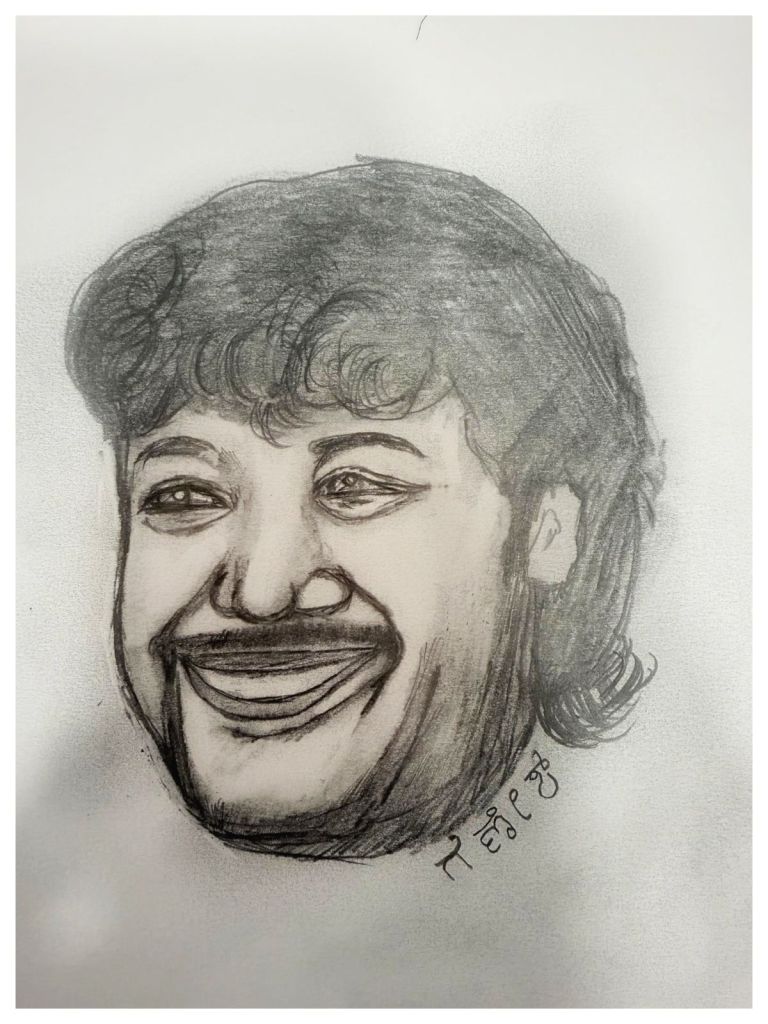
The nine strokes which consists of three dots three dash and three dots were the most simple to learn and transmit! Now that’s just gold! Golden also is the prefix associated with Ganesh! His Mungaru Male is the GOAT!

Listen to anisutide and sleep!

–. — — -.. ……. -. .. –. …. – or da-da-dit da-da-dah da-da-dah da-di-dit di-di-di-di-di-di-dit da-dit di-dit da-da-dit di-di-di-dit dah

That’s good night in morse code!

Doc day!


We all know that the middle finger (don’t worry; it is not going the PG18 WAY!); is the longest of all the fingers! It is not the first finger and not even the second! But it is the longest! This is normal!

But (ah! the return of the but!); as far as the toes are concerned, the big toe is not only the biggest, it is also the longest! In majority of course! In many people though the big toe is shorter than the second toe!

Those ‘rare’ people are supposed to be more beautiful and ‘lucky’!

The Ortho doc may not agree though! Well, then you can show him or her the Statue of Liberty!

Did you know that the Statue of Liberty has a longer second toe; sculptor Frederic Bartholdi studied Greek and Roman sculptures, modeling the statue’s feet to define her heritage from the earliest days of civilization!

The anatomical, political and ethnic logic for classic artists starts and ends with the presence of longer second toes in a portion of the population.

In fact, many Roman statues have this!
Dudley Joy Morton first evaluated a second longer toe as a medical condition in 1927, calling it “Metatarsus Atavicus.” or in simple terms Morton’s toe or Greek toe! It is thought to be a divine trait though it can cause more toe problems!

In many cases, Morton’s foot is asymptomatic. However, the altered weight distribution can lead to increased pressure on the second metatarsal, causing pain, calluses, and other issues like Morton’s neuroma or bunions!

You may think is is rare but it is not that rare! Morton’s foot is estimated to affect a significant portion of the population, with estimates ranging from 4% to 30%!

This foot shape, was seen in classical art and architecture, particularly sculptures like the Venus de Milo, as a symbol of beauty, creativity, and the Golden Ratio.
Ancient Greeks, known for their appreciation of beauty and mathematical harmony, associated the longer second toe with ideals of aesthetic perfection!

They believed this foot shape reflected the Golden Ratio, a mathematical proportion considered to embody ideal beauty and balance. The presence of “Greek toes” in famous sculptures like the Venus de Milo and Michelangelo’s David further solidified its association with classical ideals; not to mention the statue of Liberty!

Morton’s foot is associated with conditions like metatarsalgia (pain in the ball of the foot), increased risk of stress fractures in the second metatarsal, and potential for over-pronation. So if you do have a longer toe then do meet your doctor after you have done admiring its beauty!

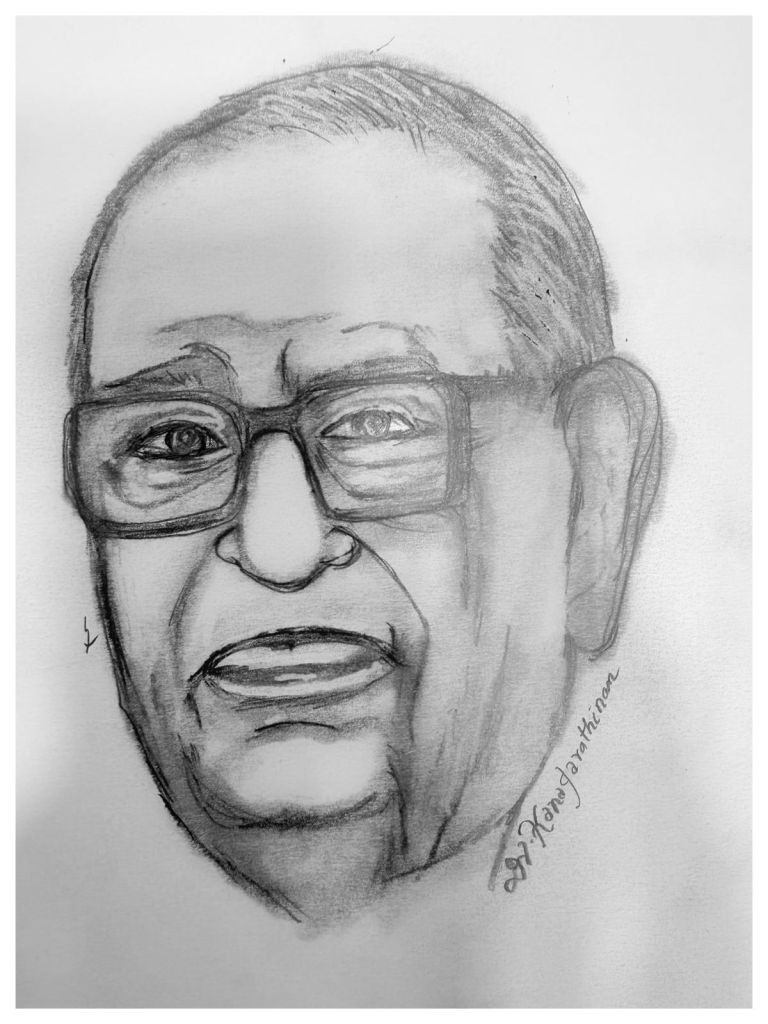
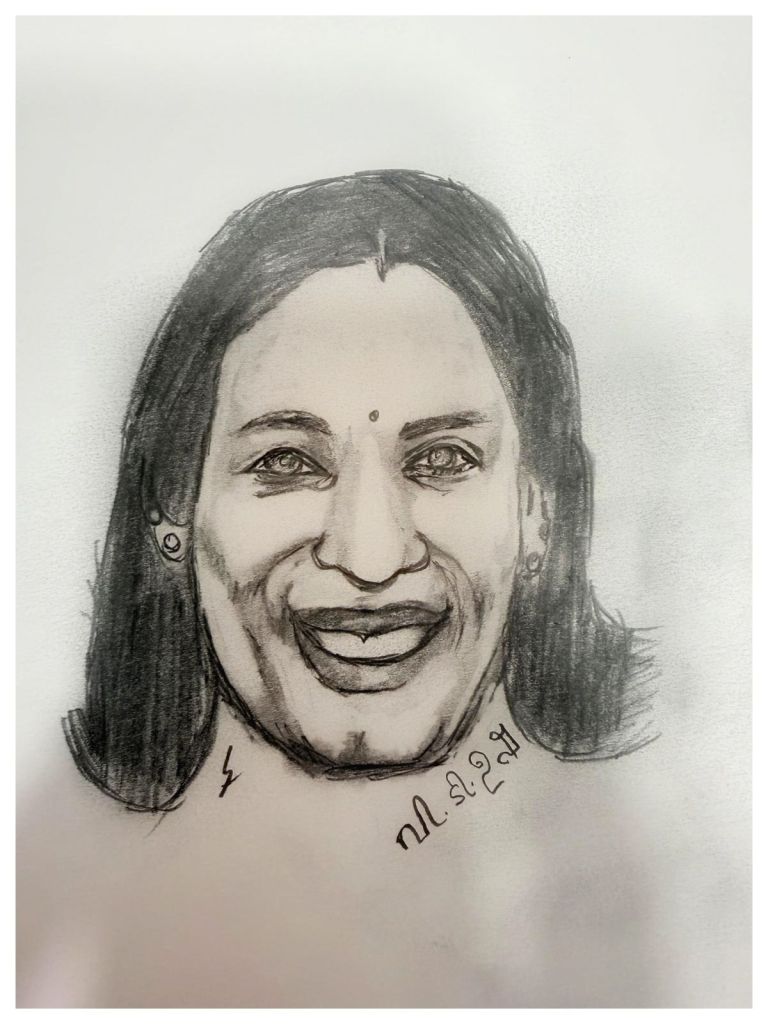
But do pay for his or her consultation since only then you will get a good treatment that works! If it is free then it is not going to work! Even a token amount would do! Though not everyone can be like the ten rupee doctor Dr T A Kanagarathinam!

Shubh ratri…
Happy doctor’s day dear friends… and a big thanks to those who wished us…

Don’t forget to forget!

So you forget once in a while!

That is ok!

Then again you forget that you forgot! That is not ok!

This double forgeting is the lifestyle of a parrot!

When you have a busy life then automation sets in! You may think that you forgot to lock the car but in fact you have forgotten something else!

You may forget that you have locked the car!

It is the same with examination for us clinicians! The examination is routine for us ENT. I always start with the nose then the throat and then the ears and finally the chest! Whatever the complaint may be! In fact most of the times the patient would be wondering that he or she told me that his or her right EAR is paining but this doctor is checking the nose and the throat! “Guess this ENT must get his hearing tested!”

Then I would explain that all are linked so I need to examine everything!

Suddenly though after full examination of when I would be writing the prescription he or she would ask, “Doctor how is my chest? or how is my nose!?”

Now of course we would have examined all but we would have forgotten that!

This is because unless there is a finding or something different, you would not resgiter a ‘normal’ ear or nose! A senior doctor would simply claim that everything is ok! I normally examine the part again so that both of us would be more satisfied!

This is also important since even the patient would have ‘forgotten’ that even though he or she had specific complains, I did in fact examine everything else! Many times he or she would even forget that I had examined the other normal ear!

Now listen about the kākāpō!

The kākāpō, also known as owl parrot, is a species of large, flightless, nocturnal, ground-dwelling parrot!

According to the evolutionary biologist Douglas Adams, these birds have wings but with such a stout and fat body, they really can’t fly!

Apparently their ancestors could but these birds have forgotten that! Which means that at one time their great great grandfathers used to fly but then decided that it is not necessary! Or worth the effort!

The more interesting thing about this is that they have forgotten that they have forgotten to fly!

So once in a while they jump down from a tree to soar up in the sky only to fall down on the bushy grass like a brick! And get up with whatever pride they have left till the Amnesia strikes again! Or they reach a tree or cliff which is high with a view great for a flight!

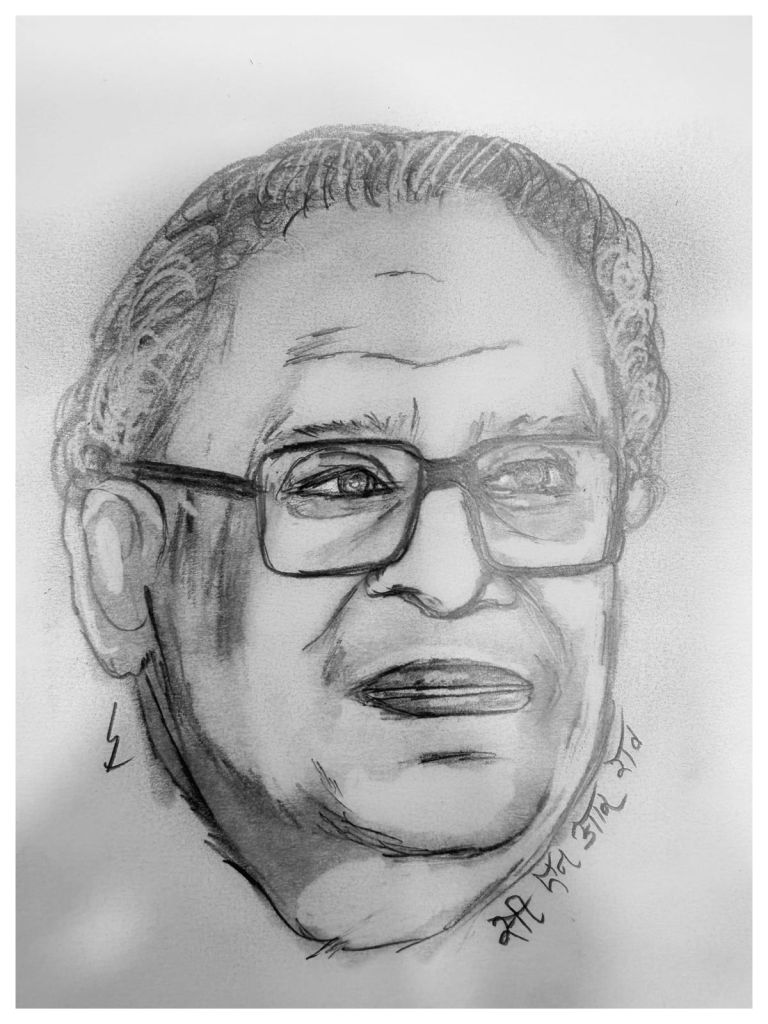
Flight assessment needs physics and who else to remember by that other than C N R Rao!

Now don’t forget to place the alarm before you sleep!

Shubh ratri!

Horsing around!


There was a famous GB Shaw joke!

A beautiful woman once told George Bernard Shaw ‘Wouldn’t it be great if we got married and had a child with my beauty and your brains?’

Shaw, who let us just say that was not a very good looking man, replied: ‘That would be wonderful indeed, but what if our child had my beauty and your brains?’

It is funny but there seems to be some practicality in the combination!

Children are in fact a mixture of their parents and then some!

How every parent states his or her child acts or looks like him or her!

Then gain what if you have this ability of selecting the best of both parents and making the perfect combination? It is like an RPG where you get a character and you can mix and match his or her qualities! Some strength, some speed, some magical ability and voila; a perfect match!

Ethically though it cannot (officially at least!) be done in humans but this is a universal appeal in the animal industry!

Which is why you have the prized bull or the prized stud! In fact this is why you had the donkey in the first place! A donkey is a hard working horse without the attitude! What is you have an intelligent donkey! Well that’s a mule!

In fact the equine industry is full of such mix and match!

A mule is the offspring of a male donkey (jack) and a female horse (mare). Horses and donkeys are different species, with different numbers of chromosomes. Of the two first-generation hybrids between these two species, a mule is easier to obtain than a hinny, which is the offspring of a female donkey (jenny) and a male horse (stallion)!

The size of a mule and work to which it is put depend largely on the breeding of the mule’s mother (dam). Mules can be lightweight, medium weight, or when produced from draft mares, of moderately heavy weight.

Mules are more patient, hardy, and long-lived than horses, and are described as less obstinate and more intelligent than donkeys!

So if you are someone who has the horse as parent; don’t try to be another horse! Try to be a mule

Then again if you run like Pilavullakandi Thekkeparambil Usha then horse is your choice!

Shubh Ratri!

A sapien polyglot!


When you see the gene then you know its the same!

It has been said that all matter is atom and all are same or even similar!

The same atom which makes you, also makes the trees and also makes the animals!

In fact those very atoms also make a table or a car! It is all in the atom! Of course the difference lies in the organic and inorganic nature.

In our philosophy also it has been mentioned that all of us are the same!

Hindu philosophy says that all matter is fundamentally the same, originating from a single, un manifested source, often referred to as Prakriti. This source, in its purest form, is considered formless, attribute less, and eternal. Through various processes, this primordial matter differentiates into the diverse forms and qualities we perceive in the universe. Essentially, different names, shapes, and attributes (Naama, Roopa, and Vyavahara) distinguish the various forms of matter, but their core essence is the same!

Now if you ever have a doubt about how any two animal is actually related to each other just remember a common thing and your doubt will melt!

As Richard Dawkins puts in his book ‘Greatest show ‘ which is an extension of his other books and goes one step further.

He tells about many examples of different but same!

Like the bat which can fly like a bird but is an animal like a rat! A buttery is actually a flying worm! 

When you think like that you can see that a dolphin is not a fish!

So the Dolphin is like a fish but it is actually a mammal and it does not swim in the conventional sense but it gallops in the water! Yes! It is a horse in the sea!

Then you have another fish on land! The slimy snake! Have you seen how a snake ‘walks’ on land? In fact a snake does not gallop or walk on land, in fact it remembers it’s ancestor in water and actually swims on land!

Then again you have the multi talented animals who have taken the traits of both land and water! The mighty croc!

A crocodile mostly swims or walks like a lizard but sometimes it apparently gallops and it does it fast!

Finally you have the Homo Sapien! He or she can walk, run, gallop and even swim! Of course he or she cannot do it as well as others!

But there is no competing the average human in speaking! And when you have someone who is a polyglot like Overview
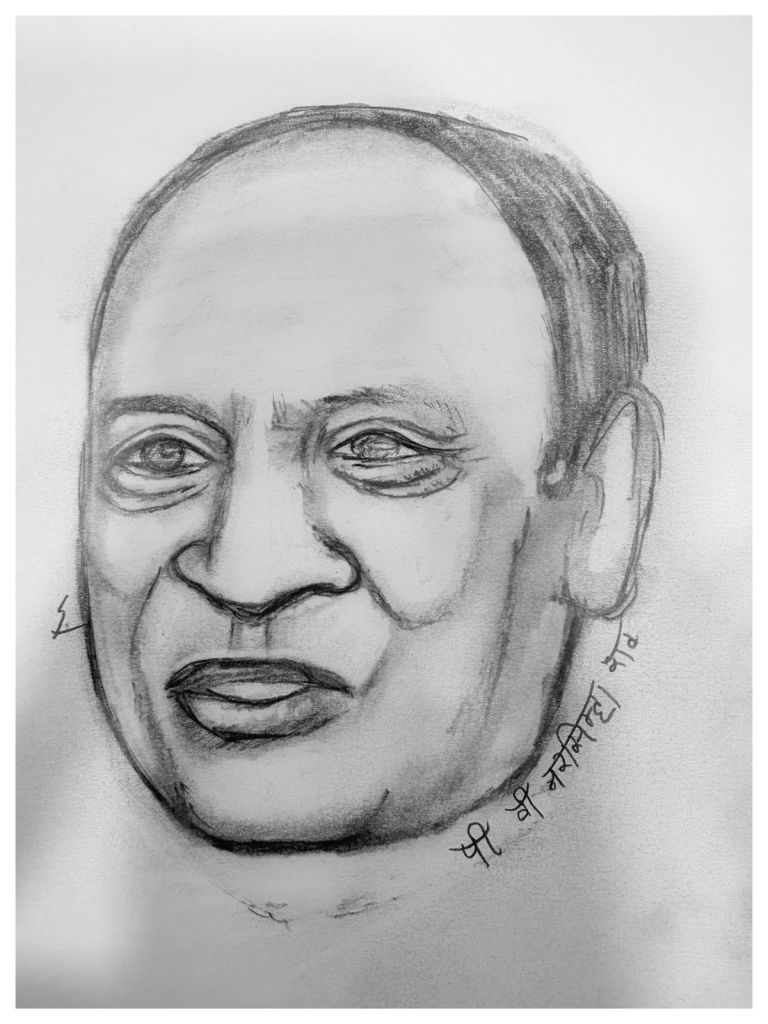
Pamulaparthi Venkata Narasimha Rao who spoke 17 languages then there no competition at all!

Now sleep like a human!

Shubh ratri!

Tenet mukesh!


In the movie TENET there is a strategy called the Temporal pincer moment!

You basically pince both the side temporally!

It is a complex methodology and needs lots of planning and imagination!

It’s a modification of attacking from two ends and squeezing or pinching the enemy in the middle! Of course when you have the time also as a component then you have temporal pincer!

Essentially, the idea is that if you wanted to execute a plan at 5pm, you have half your team initiate their actions at 4.30pm while the other half starts at 5.30pm, but they’re inverted and moving backwards. The advantage is that those moving backwards already know how everything is going to go down! It’s like how you have the control of the beginning and of the end!

As depicted in the movie Tenet, it is a military strategy that utilizes time inversion to attack an objective from two directions simultaneously, one moving forward in time and the other moving backward. This involves one group of people experiencing events normally while another group inverts themselves to experience the same events in reverse, using information from the other group to coordinate the attack.

The concept is adapted to incorporate time inversion. One team (the “blue team”) moves forward in time, experiencing an event normally. They then brief another team (the “red team”) who have inverted and are moving backward through the same event. Of course the colour does not matter but here is the pincer or special part! It is called the LOOP! The red team, having been briefed by the blue team, can then act based on this future knowledge. After the red team’s experience, they can brief the blue team before the event begins, creating a loop of information and action!

In the movie, this strategy is used in the final battle at Stalsk-12. The blue team moves forward in time, experiences the battle, then inverts to brief the red team moving backward through the same battle. The red team uses this information to fight their way through the battle, then briefs the blue team, who then invert to fight their way through the battle again!

Of course the most important aspect here is to get a device to essentially go back in time! Then again if you are going back it is not time travel but time inversion; you may get a sense of what is going to happen but you have to prepare yourself!

Of course this is a fictional concept for now! But the concept highlights the potential for using knowledge of future events (or simulated future events) to influence present actions, creating a complex strategic advantage.

Now even if you know the future; the effectiveness of the temporal pincer relies on the accurate exchange of information between the two teams, allowing them to coordinate their actions and exploit the knowledge of the other team’s experience.

So even if you know the future, remember that cooperation is the key!

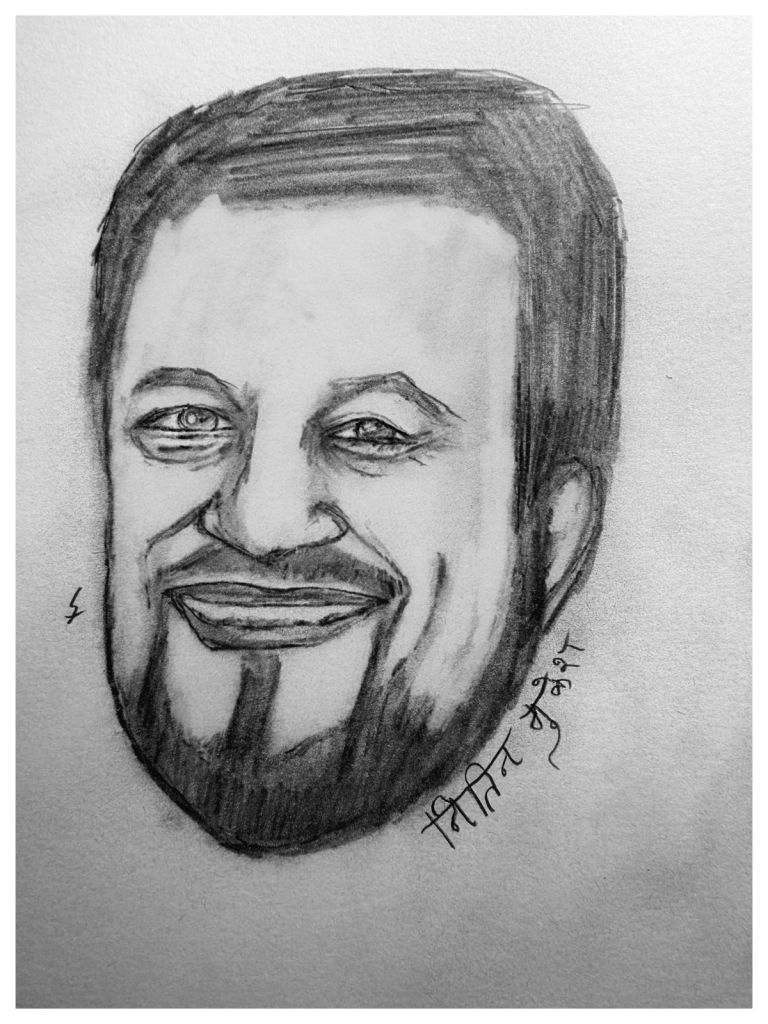
Now time to sleep! Maybe listen to ‘so gaya’ by Nitin Mukesh if you are not feeling sleepy and sleep!

Shubh ratri!

Phlebotomy


When you get your blood tested; the technician who takes your blood is called a Phlebotomist!

Did you know that it means vein cutter!? or the fact that at one time letting out your blood was a treatment of choice!?

The science was called phlebotomy — from the Greek words phlebos, meaning “vein,” and temnein, meaning “to cut” — or bloodletting!

Nowadays of course the term phlebotomy refers to the drawing of blood for blood tests and related procedures.

Bloodletting, the practice of draining blood from a patient, has a long and complex history, spanning over 3,000 years and practiced in various cultures. Initially believed to be a way to balance the body’s “humors” and treat various ailments, it was a common medical practice for centuries but has since been discredited by modern medicine.

Greek physicians like Hippocrates and Erasistratus believed in the four humors (blood, phlegm, yellow bile, and black bile) and that imbalances caused illness. Bloodletting was one method to restore balance. A similar imbalance was also postulated and still practiced in Ayurveda!

Ayurvedic medicine is based on the idea that the world is made up of five elements — aakash (space), jala (water), prithvi (earth), teja (fire), and vayu (air).
A combination of each element results in three humors, or doshas, known as vata, kapha, and pitta. These doshas are believed to be responsible for a person’s physiological, mental, and emotional health.

In modern medicine though the factors responsible for any disease is another combination of THREE! The agent, the host and the environment! But lets us not digress for now!

Getting back to the BLOOD!

Starting from the Greeks and Romans, bloodletting spread to the Arabs, Asians, and eventually throughout Europe during the Middle Ages and Renaissance.

The people who were entrusted on this important ‘treatment’ were the first surgeons! The barbers! Since they were skilled with blades and they often performed bloodletting procedures this lead to the association of barbers with medical practice!


Bloodletting was widely used for various ailments, from the plague and smallpox to epilepsy and gout. Not to leave out fevers, asthma, pneumonia, cancer, jaundice, seizures, the plague, and even mental illness. In some cases, bloodletting was employed before surgeries or childbirth to prevent inflammation!

By the way it was also used to address issues like excessive menstruation, nosebleeds, and even heartbreak!

Blood and heartbreak go hand in, well glove apparently!

Development was swift in such that new tools like the scarificator (a spring-loaded device with blades) and thumb lancets were developed!
Even European medicinal leech was put into commission!

The leech though now is a good treatment in transplant and plastic surgery but then that is a whole different topic!

It took the death of a president that made a downfall on its popularity! The death of George Washington, who lost a significant amount of blood through bloodletting, contributed to the growing skepticism about the practice.

There still remains a legacy though! The barber pole, with its red and white stripes representing blood and bandages, serves as a visual reminder of bloodletting’s historical connection to barbering! Barbaric you may say now though!

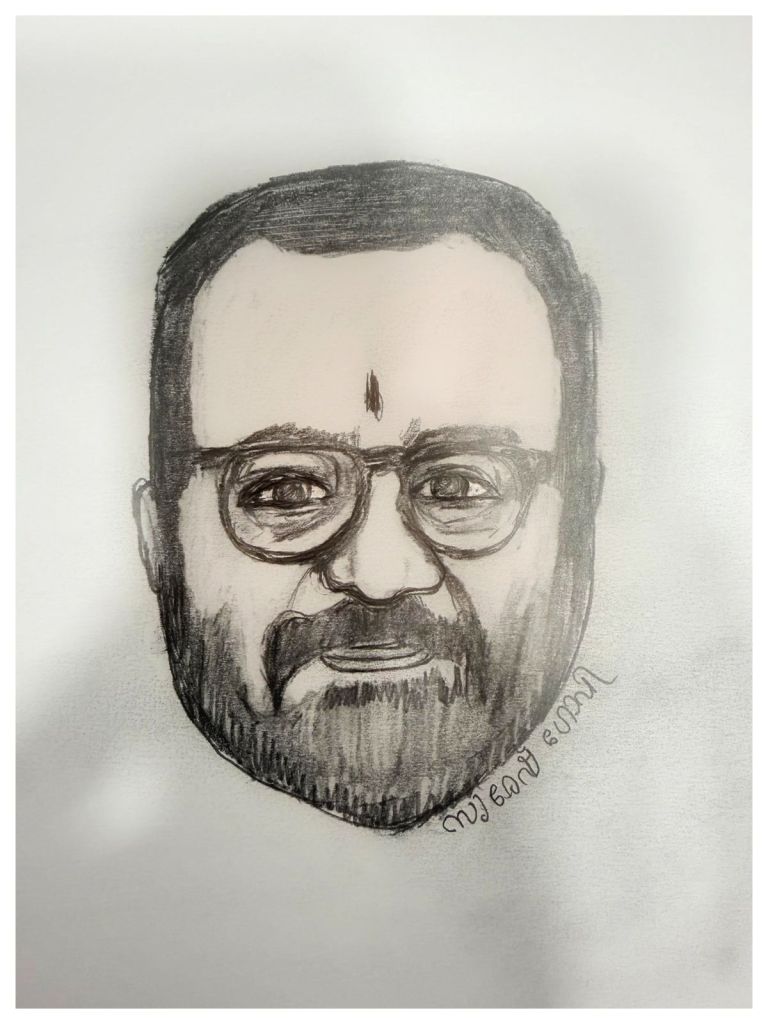
Whatever you say, say it with force and power like Nariman aka Suresh Gopi!

Now before the blood pressure increases take rest!

Shubh ratri!

Spider…ape!


What do you get when you get bitten by a radioactive spider?

In reality it will be poisoning and probably pain and complications!

In Marvel Universe you will become Spiderman! You can swing from one building to another and well have a spider sense!

Do you know that like always, the monkeys have already got there! Also the females have already taken the lead there!

Presenting the Spider…Monkey!

If you have seen Mission Impossible 3 then you would know the power of arc or a swing! You can see the same in MI4 also! Then again not everyone can swing like Tom!

Not every man (or woman for that matter!); so nature gives us a Monkey!

One of the most defining characteristics of the spider monkey is its long prehensile tail. The tail is strong and well-developed for arboreal life — and is often described as an extra limb and are longer than their bodies — some are as long as 35 inches!

Rather than leap from tree to tree, spider monkeys are specialists at swinging from limb to limb, and can clear great distances in a single swing.
Spider monkeys also create rich nesting sites by pooping below where they sleep! When large groups of spider monkeys converge in a region, the feces they leave behind is rich in seeds and nutrients to help grow more trees!

This pattern not only creates more food for the spider monkeys, it improves the tropical ecosystem for all creatures in the area.

Just when you thought it cannot get better and more modern; spider monkey troops are matriarchal, meaning the females play a leadership role. Females actively choose their mates when breeding, which, in the case of white-bellied spider monkeys, leads to less aggressive behavior among males. The alpha female of the troop also tends to be the decision-maker, leading the group to feeding areas and determining the ultimate size of the group!

So the males do not have to fight or be aggressive! The female would select the sensitive one who ‘listens’! It is monkey talk though!

Another unique adaptation of spider monkeys as compared to other primates is their lack of opposable thumbs on their hands. Their hands have only vestigial thumbs, the tiny nub left over from their ancestors, who did have thumbs. The absence of this extra digit gives the spider monkey a more hook like hand with long, slender fingers, providing a better grip to swing from branch to branch in its arboreal abode! So remember that thumb is not everything!

Do not say that in the biometric department though!
For now forget about spider sense and listen to the sense of hearing! Maybe some song by Madan Mohan…

Shubh ratri…