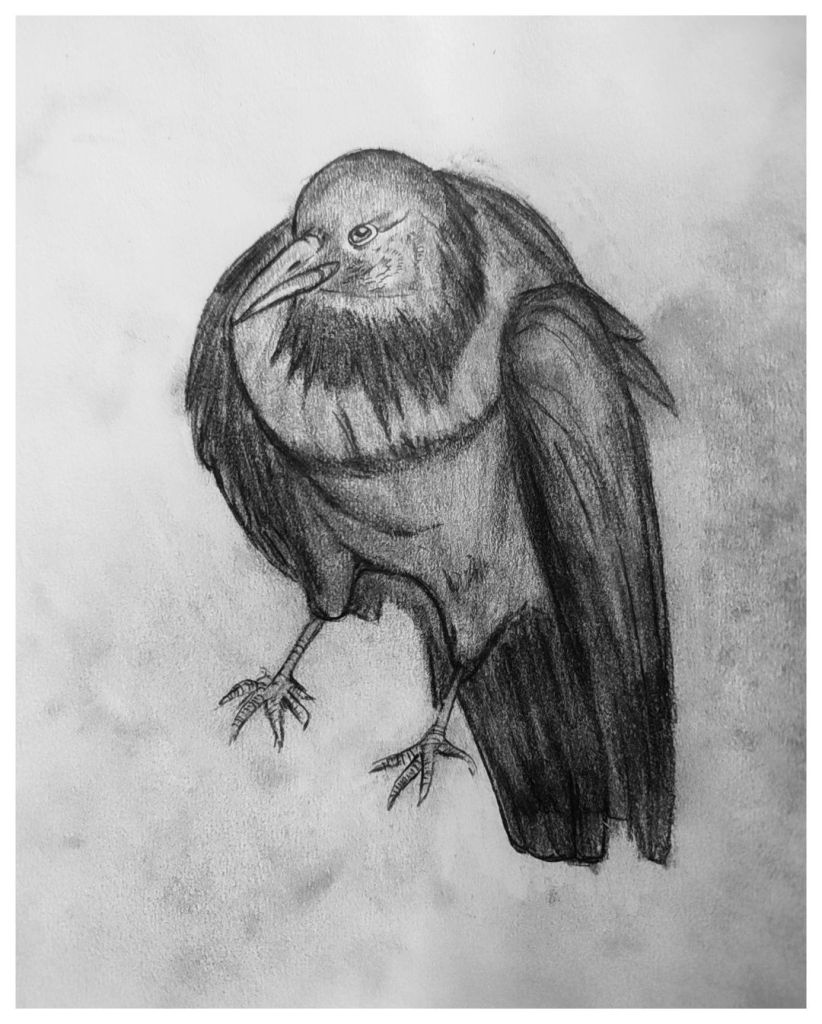
Bird brain is good!

Rebooting the brain: part 1: The journey of Hope is one of the best books from the point of view of an accomplished Neurosurgeon Saran Srinivasan and his wife Dr Pratibha.

It has these amazing stories of so many recoveries and many tragedies but the attempt and the work done by Dr Saran and his team is simply remarkable! To even see the amount of effort taken by the whole team in the care of patients with Neurological issues like Dystonia, Parkisonism and chronic pain is simply mind boggling!

The best parts are of course the ones with great outcomes and a smiling face at the end of the day!

The complete review and summary would arrive soon since it is not yet complete but one story really caught me banging my head on the proverbial wall along with Dr Saran!

He tells about how one fine day he got a call from his doctor friend stating that the doctor’s brother was riding a two wheeler and since he did not have any helmet, he met with a major accident!

They rushed him to Dr Saran’s center and he had the usual ‘brain surgery’ for evacuation of blood and then a prolonged stay in the ICU. He then regained consciousness and then of course he could not remember much initially!

He was a CA with a great practice but like Dr Saran says, the brain is like the core unit of the body! Without that you are clueless and not yourself. The road to recovery was then slow but steady. This was a common story in many cases as discussed in the novel. The amount of efforts which are put up by the physiotherapists, the speech language pathologists and the whole team is simply amazing! Many times the progress is so slow and this is very stressful not only for the patient but more importantly to the care givers!

In fact the caregivers of patients needing long term care and commitment are the most important factors! In many cases they have been found to have multiple issues since many times it is a thankless work with very little improvement and too much time. The progress is slow and only visible to someone else. You need the work of the whole team and only then the recovery is possible. Many times even if you put your heart and soul, he or she may not recover or may not have a full recovery. Of course all we can do as doctors and more importantly humans is to try and hope!

Luckily though in this case, the gentleman recovered slowly and steadily! He began to walk and talk and with therapy made an almost complete recovery till he reached a point where he started practicing again!

All is well you would think, till Dr Saran saw the same man riding his scooter one fine day and saw him not wearing a HELMET!

He actually messaged the doctor friend that his brother can apply for a lifetime membership in his neurorehabilitation institute!

We as humans take the routines of our lives so lightly! We must be thankful of our comfort and have responsibility! Even the so called bird brains know that!

Now be safe and use your head!

Shubh ratri!


Angootha chaap!

Have you heard of the mug shot? How about “Angutha chhap’?

Now Angutha chhap” translates to “thumb impression” or “illiterate person” in English. In Hindi, it literally means “thumb print,” but it’s often used metaphorically to refer to someone who cannot read or write, highlighting their lack of formal education. But did you know the close link between an actual Angutha chhap and solving crime!

Well, it is scary that most everyone has heard about mug shot though!

The creator of mug shot was a policeman who is actually thought to be the chief proponent of use of Angutha chhap or Fingerprint for identification of crime!

But he was actually not a big fan of fingerprint! He had devised lots of other methods used even now for crime assessment and criminal identification!

In recent years biometric authentication has entered the mainstream; facial recognition on smartphones, technology to speed up the experience at the airport, fingerprint access to online banking apps, or even biometric payment cards!

While it may seem like a relatively new concept, biometrics has actually been around for centuries and ancient times when fingerprints and handprints were used as signatures and seals.

The use of biometrics as a tool for identification and security purposes began in the late 19th century with the work of Alphonse Bertillon.  His system was widely used by police departments around the world and was considered the gold standard for identification! Later technology gave rise to fingerprint, facial recognition and iris scans!

Alphonse Bertillon, was a French police officer and biometrics researcher who significantly contributed to forensic science by developing the first scientific system for identifying criminals based on physical measurements. He is credited with inventing the “Bertillon System,” which combined detailed measurements and photographs of suspects to create standardized identification cards. While Bertillon initially opposed the use of fingerprints, his efforts to create a reliable identification system indirectly led to their development!

Bertillon developed the Bertillon System, which involved taking a series of measurements of different body parts and recording them on standardized cards, along with photographs. This system, also known as “anthropometry,” was the first official standardized method for organizing criminal records.

He is also credited with the now popular Mugshots and CSI Photography!

Although Bertillon initially opposed the use of fingerprints, his efforts to create a reliable identification system indirectly led to the development of fingerprint identification as a more accurate and widely accepted method.

The common myth is that that Bertillon was the first to recognize the value of fingerprints. Actually, that achievement must be associated with many others including one gentleman from India!
However, Bertillon was the first in Europe to use fingerprints to solve a crime.

The timeline of using fingerprints for crime and solving them is big but some prime events are like in 1858 when Sir William Herschel, a British magistrate in India, began using fingerprints on contracts to prevent fraud!

Then in 1892 the first successful use of fingerprints lead to solve a crime which occurred in Argentina, where a bloody fingerprint led to the identification of a murderer!

Another Indian contribution was in 1896 when Sir Edward Henry, also working in India, started experimenting with fingerprints and developed a classification system!

Then in 1901, Scotland Yard, in England, adopted the Henry classification system and established a fingerprint bureau! and used this the very next year to solve the first case of a murderer being identified and convicted based on fingerprint evidence!

So next time you call someone Angutha chhap, do make sure that he or she does not know the history of fingerprint and crime!

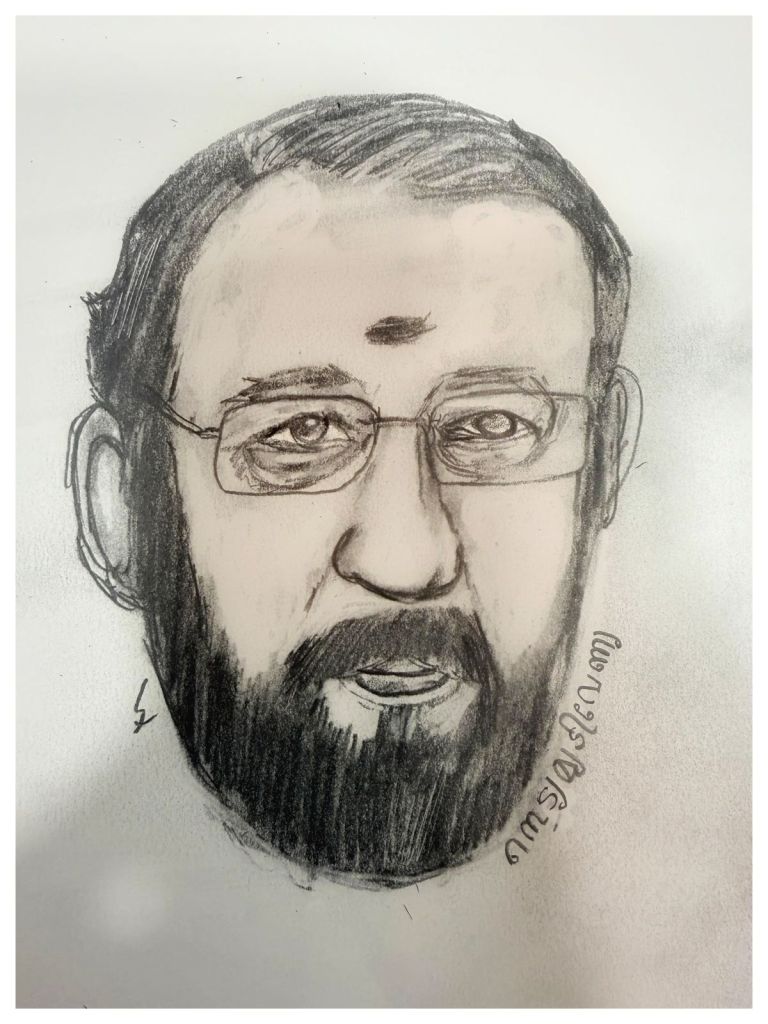
History and historical reminds me of the hysterical and amazing character roles by Nedumudi Venu!

Now use your fingerprint to unlock your phone and put your alarm and sleep!

Shubh ratri!

The line at the bank!

The older generations always call while the younger ones just message or simply send an emoticon or emoji!

Then we are for now the middle generation! We call sometimes and many times we text or mail! Most of the time we are confused!

Unfortunately it may not work! If you message the older generation, they may not see the text and the younger generation keep the phone perpetually in the silent mode for them to pick you call!

The older generation prefer to call and talk since that has emotions!

Which is the like how they still like to go to the bank and get the passbook updated or get a draft made or even send money to someone! Things which most would prefer to simply do it with the push of a button!

Which is maybe why the older generation may not accept the tech! They like the human touch! They like to say hello to the teller and the manager and even the security guard of their local bank! Or enjoy the coffee or tea at the nearby hotel just opposite to the old ‘local’ ban!

While most of us may not even know the building where the bank is situated!

The whole process of going to the bank was a set routine for many those days! It would start with standing in the line to first pay the electricity bill and then the water bill and walk across the road to the bank!

The passbook was a treasure! The old and new ones stacked up by date together in the black almost torn bag which we would have got from the same bank during the new year offer!

The calendar would also be from the bank with the most important bank holidays! Some old folks would show off that they got two and maybe even three calendars!

If you had to withdraw money then you had those paper slips in which you had to fill your details with the account number and show the passbook!
Then again a big wait in the line for the teller!

Some old folks would show off they knew the teller and she or he may indulge and call him forward much to the silent discomfort of others!

Then again they actually would stay back in the line since they had all the time in the world!

A major undertaking would be the making of a draft! That was a whole different line and form! And of course a much longer wait! It was also a very critical document! One spelling error and the whole thing is done for! You had to fill everything in capital letters and clearly! Many would be bankers and doctors would have been filtered right there! Finally when you get that crisp laminated draft at the end you would feel like a winner!

Later on you had the card!

When it came there was no question of any credit or debit card! It was simply an ATM card! The card came first in registered mail and the pin came later with the carbon paper! You had to carefully tear off the cover to uncover the pin!

That card was used only in the rarest of the rare occasion though! Most of the time it would be the withdrawal slip and immediate update on the passbook!

I do not remember the last time I had gone to the bank! To any bank for that matter unless it is some big thing like a loan or some documentation issue! But still when I do go a bank especially the state or public sector banks, I do see the glimpse of the old times! The line at the teller, the old pensioners with the passbook and the old security guard who would faint if he heard a loud noise!

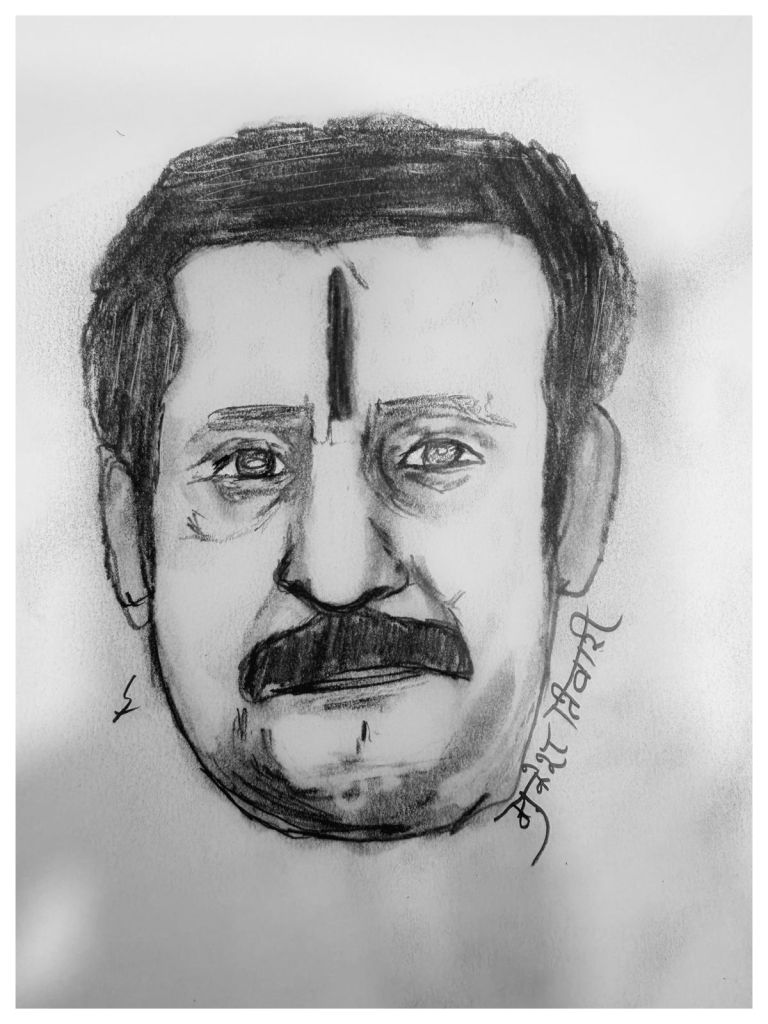
Of course when the wave of nostalgia pass; you would like to get it over and get out as soon as possible! Do it soon since, “jaldi kar, muzhe Panwel nikalna hai!” If you recognized that then you know it is from one of Mukesh Tiwari’s most famous one liners!

Now be happy that you do not have to stand in a line to withdraw money and sleep peacefully!

Shubh ratri!

Jack of all fruits!


The name sounds like the start of a nursery rhyme but is a fruit!

One of the largest fruits in the world by the way!

Without further ado, it is our Jackfruit!

Jackfruit is the largest fruit grown on a tree. It takes 5-7 years before a tree will produce fruit. Jackfruit trees will produce 150- 200 fruits per year!

Interestingly, jackfruit is a tropical region fruit!

Another interesting thing is that this is one of the few fruits which has edible seeds! These seeds are packed with nutrients and are 100% edible. Boil or roast them to find a starchy, nutty flavor that blends well with different dishes. A single jackfruit contains about 100 to 500 seeds! My mother used to make this amazing dish with the seeds and that with some Mor Kootan (a version of curd sambar!) was the best combination!

Then you have the fact that the water content in jackfruits is about 80%. If you are looking for a hydration boost, it is helpful to munch on this water-rich fruit!

There are two groups of people though! Those who love the ripe fruit and those who love it when it has not become ripe! The raw jackfruit has so many devotees like my mom and me! You can use the pulp to make such amazing dishes! The meaty nature makes it an ideal ‘vegetable’ which can absorb most flavours and give you a gastronomic delight! In the south it is usually paired with the coconut! They form a bond like NTR and Cherry! While in the north it pair with the garam masala!

Now getting the Jackfruit to your house is a big decision! Or Indecision! If you keep for long then you can only have the fruit since it becomes ripe!

Cutting it also take some expertise and it is not for the weak minded! You need some good coconut oil and lots of space! Even making the dish is not easy! If you boil is too much it becomes too soft and if it is less then it tastes raw! You need to constantly monitor the progress and not leave the stove even for a minute! Since I have been trained by two experts; my dad the cutting expert and my mom the cooking, it is easier for me! Then again it is a great power with responsibility!


In terms of its life span, a jackfruit tree will definitely surprise you!
On an average, any jackfruit tree lives for 60 to 70 years. That is 6 or 7 decades right there! So a jackfruit tree can outlive many people! Also the production of jackfruit is a less challenging task. This is because jackfruit requires minimum care and is capable of thriving in different types of soils. One step further, jackfruit is resistant to pests and diseases, thus eliminating crop losses!


What makes jackfruit a miracle fruit is the very fact that its high yield has helped combat hunger in many regions, thus making it pro-food security.
Over time, jackfruit has become famous as the world’s largest fruit. That is because some jackfruits have grown as high as 80 pounds in weight and three feet in length! A mere lifting of a fruit can make you a he man or a she woman!

Every household especially in Kerala has a knife reserved for the Jackfruit! And one of course for the coconut! The sticky gum which oozes out can defeat many weak vegetable cutters!

The name is derived from the Portuguese word Jaca, which was probably a version of a name used in southern India, “chakkapazham.” Jackfruit in North India is known by kathal,  as kanun in Thailand and nangkai, fenne, or sometimes simply jack or jak.

Originating from the rain forests of the Western Ghats of India, Jackfruit tree spread towards other parts! All parts of the jackfruit tree have practical uses. Humans can consume the fruit and the leaves of the tree as food. The endless number of uses for the entire tree has earned it the name “wonder tree” in some parts of the world!

The final over ripe fruit is then mixed with Jaggery and made into a jam called the Chakkavaratti! This Jam like preparation has it own followers! I don’t mind a taste or two but I still prefer the raw fruit anyday!

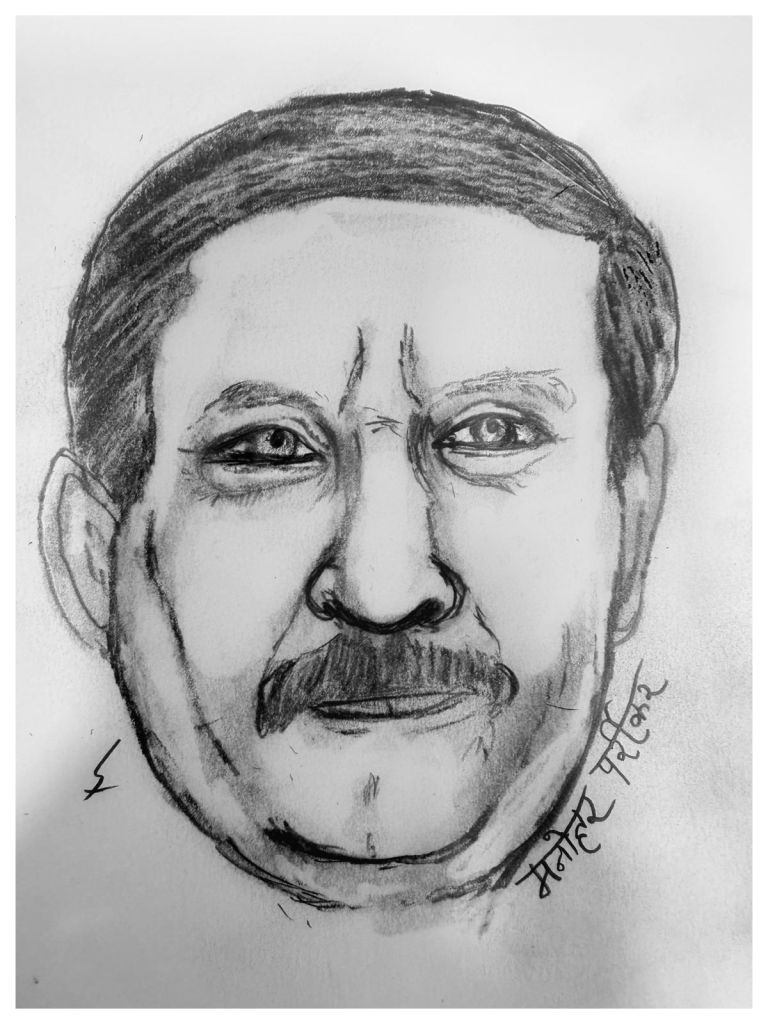
Mentioning RAW reminds me of our own RAW and those who make sure our country is safe! One such person was Manohar Parrikar, India’s former Defence Ministe! The defence systems that have intercepted 99 per cent of enemy’s fighter jets and missiles are the result of efforts by various former defence ministers and Manohar ji deserves special mention for his key role in procuring the S-400 Triumf missile defence system!

We appreciate!

Jai Hind!

The solitary locust!

Alone they are very innocent but when they join together they are a force to reckon with!

So much so that they have been described in almost all the holy books!

Do not worry and let your imaginations not fly! They are simply insects!

You like them as Grasshoppers and are terrified when they are LOCUSTS! But did you know that they are simply the same!?

The innocent Grasshopper can become the deadly Locust simply by forming a team and having only a single goal!

Technically what are Locusts? Locusts belong to a specific group of short-horned grasshoppers (Acrididae family) that have the ability to switch between a solitary and a swarming phase, known as gregarious behavior! This is a single point focussed behaviour where they have only one thing in their little brain!

Normally, these grasshoppers are innocuous, their numbers are low, and they do not pose a major economic threat to agriculture. However, under suitable conditions of drought followed by rapid vegetation growth, serotonin in their brains triggers dramatic changes: they start to breed abundantly, becoming gregarious and nomadic (loosely described as migratory) when their populations become dense enough.

They form bands of wingless nymphs that later become swarms of winged adults. Both the bands and the swarms move around, rapidly strip fields, and damage crops. The adults are powerful fliers; they can travel great distances, consuming most of the green vegetation wherever the swarm settles!

Locusts have formed plagues since prehistory. The ancient Egyptians carved them on their tombs and the insects are mentioned in the Iliad, the Mahabharata, the Bible and Quran. Swarms have devastated crops and have caused famines and human migrations.

More recently, changes in agricultural practices and better surveillance of locust breeding grounds have allowed control measures at an early stage. Traditional locust control uses insecticides from the ground or air, but newer biological control methods are proving effective. Swarming behaviour decreased in the 20th century, but despite modern surveillance and control methods, swarms can still form; when suitable weather conditions occur and vigilance lapses, plagues can occur.

During plague years, desert locusts can cause widespread damage to crops, as they are highly mobile and feed on large quantities of any kind of green vegetation, including crops, pasture, and fodder.

A typical swarm can be made up of 150 million locusts per square kilometre (390,000,000 per square mile) and fly up to 150 kilometres (93 mi) in one day. Even a very small, 1-square-kilometre (0.39 sq mi) locust swarm can eat the same amount of food in a day as about 35,000 people!

So locust is basically a grasshopper who found out what Unity can do!

Point to ponder!
And a story to wonder!

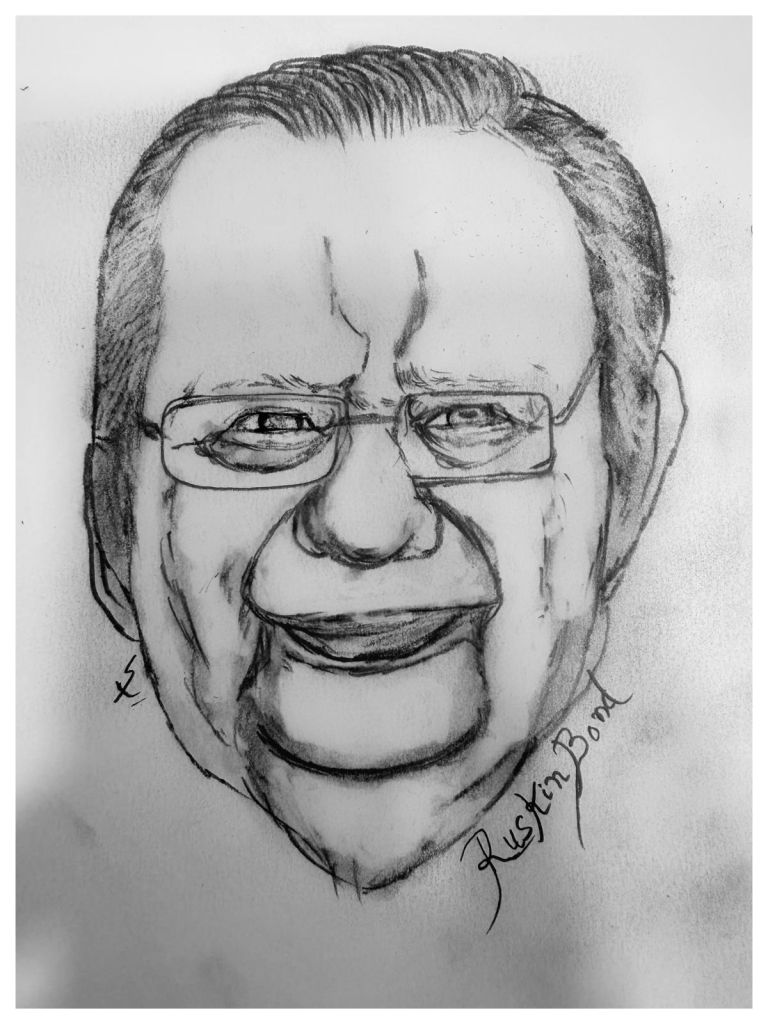
Talking of story, you can check out some good ones by Ruskin Bond!

Shubh ratri…

Ant crops!


Do you remember how on your visit to the village you would take leaves?

You have probably seen some ants carrying bits of plants?

You of course were taking them to feed the cows! Now know that even the ants do not eat the leaves! They also were taking them to feed their own ‘cows’ or more accurately ‘crops’!

Now even though the ‘cows’ of the ants can be mainly white or sometimes a little black, they are not usually seen above the ground! Also they are closely related to an infection which usually takes a lot of persistence to cure!

The ‘cows’ or ‘crops’ of the ants are actually a type of fungus!

The ant–fungus mutualism is a symbiosis seen between certain ant and fungal species, in which ants actively cultivate fungus much like humans farm crops as a food source.

In some species, the ants and fungi are dependent on each other for survival.  The microbes’ ability to convert the plant material into a food source accessible to their host makes them the ideal partner. The leafcutter ant is a well-known example of this symbiosis.

Researchers have now used DNA analysis to uncover just how long ants have been farming fungi and it turns out these insects have been some of the world’s tiniest farmers for 66 million years, thanks in part to the asteroid that struck Earth and set off a chain of events that led to the demise of the dinosaurs!

The ancestors of modern leaf-cutters and other fungus-farming ants also diversified around this time, and they appeared to evolve in tandem with the fungi over the years to the point that some ants “domesticated” species of fungi that today are only found in the ants’ nests.

This shared evolutionary history appears to have benefited both the ants and the fungi in what’s called mutualism. The ants get food, and the fungi get room and board, plus careful tending by the ants and the chance to spread as the insects stake out new territory!

“When a daughter queen gets ready to leave her mother’s nest and start her own nest, she takes a little bit of her mother’s fungus in her mouth,”

It is like the parting gift from a mother to a daughter to ‘start’ a new family of her own! And you thought ‘dowry’ was a human or rather inhuman thing!

In case you are wondering who did it first, well

“Humans have been practicing agriculture for 12,000 years,” while “Ants have been ‘farming’ for 66 million years.”

The ants employ helpful bacteria to keep their fungal crops healthy from disease and appear to have more success than human farmers often do with their crops!

So not only they are senior agriculturists, they are also leading antimicrobial specialists!

Everyone knows how we are dealing with antibiotic resistance and trying to find new antibiotics to overcome that! If we could be guided by these ‘ant microbiologists’ we could really improve the practice of human agriculture and develop better antibiotics!

By the way if you want, you can also ask the same questions to some other bugs! Like a mutualism with fungi is also noted in some species of termites in Africa!

So if someone asks who is the earliest farmer on the earth then the answer is ant or termites! At least for them, their ‘crop’ is a very sacred and closely guarded ‘treasure’. So it is pertinent that even humans develops things to guard their treasure! One which was the recently successful Akash missile defence system!

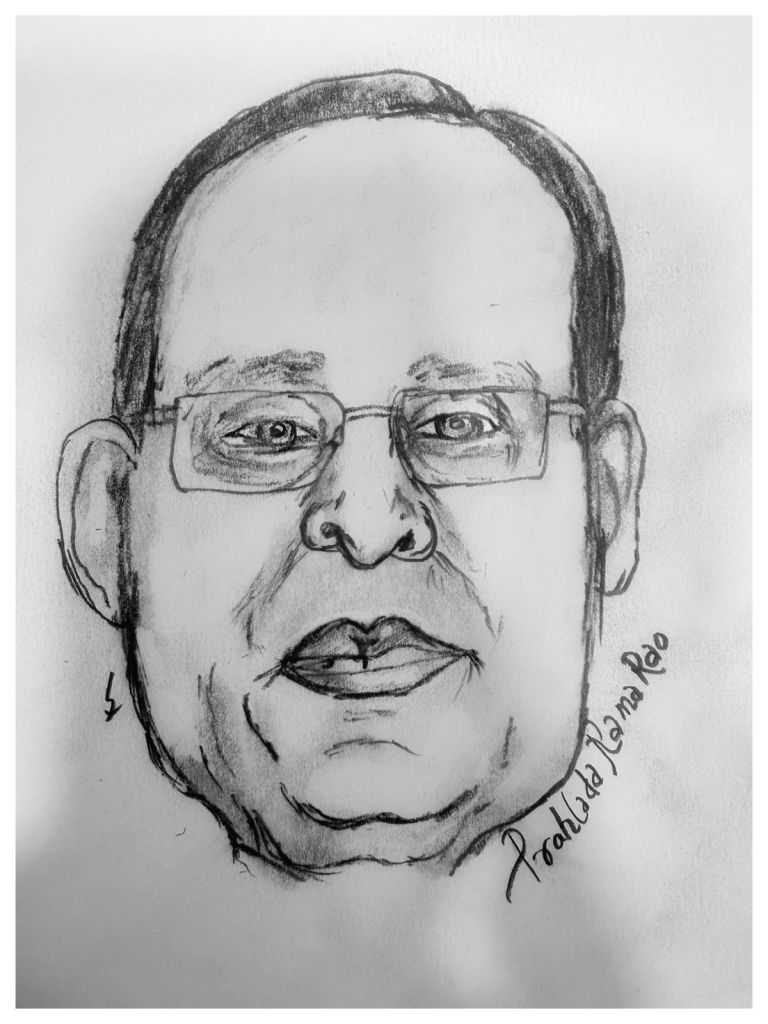
Long before the Akash missile defence system etched its name into India’s military history, Prahlada Ramarao had already built his legacy! Personally chosen by India’s ‘Missile Man’ Dr A P J Abdul Kalam in the early 1990s, Ramarao was appointed as the youngest project director at just 35 to lead the Akash programme. At the time, Kalam was heading the Defence Research Laboratory (DRL) in Hyderabad – much before he became the scientific adviser to the defence minister and later the President of India! Now that is a real diamond!

We are proud of those responsible to keep us safe!

Jai Hind!

Rolly polly!


Do you know what or who are “rollie pollies”

The singular actually refers to a chubby baby, with dimpled elbows and fat little legs!

But the plural actually is an ‘animal’ which a very effective heavy metal remover of the soil! These can also be kept as pets by the way!

You may know them as woodlice!

Woodlice do not usually damage healthy plants, they can however become associated with damage which has other causes such as slug damage or plants that have died and begun to rot. Woodlice occasionally damage very soft plant tissues, such as seedlings and sometimes strawberry fruits.

Woodlice can also invade homes in groups searching for moisture, and their presence can indicate dampness problems.

They are not generally regarded as a serious household pest as they do not spread disease and do not damage sound wood or structures.

Apparently Woodlice have become a popular household pet for children as well as a hobby for insect enthusiasts or collectors!

While some isopod species are kept purely as pets, some can also be used as an addition to bioactive terrariums, due to their ability to break down decaying organic materials.

Now you would ask what is a bioactive terrarium?

Well a bioactive terrarium (or vivarium) is a terrarium for housing one or more terrestrial animal species that includes live plants and populations of small invertebrates and microorganisms to consume and break down the waste products of the primary species. In a functional bioactive terrarium, the waste products will be broken down by these detritivores, reducing or eliminating the need for cage cleaning. Bioactive vivariums are used by zoos and hobbyists to house reptiles and amphibians in an aesthetically pleasing and enriched environment.

So next time you visit a garden, turn over a brick or a board lying in the yard and underneath you may find a collection of these pill bugs scurrying about.

And by the way they are not insects!

Actually, these critters are crustaceans and more closely resemble crabs and shrimp!

One very unique feature of these crustaceans is their ability to safely remove heavy metals from soil. For this reason, they are important for cleaning up soil pollutants such as lead, cadmium, and arsenic. In coal spoils and slag heaps, pill bugs also come in handy. The heavy metal toxins become spherical deposits in the mid gut. With this special cleanup capability, pill bugs survive in the most contaminated sites where most creatures can’t!
As they feed on decaying matter, they are major recyclers converting garden detritus into a rich growing medium!

They are characterized by their ability to roll up into a ball when they feel threatened! So the tiniest of the creatures can help you only if you let them!

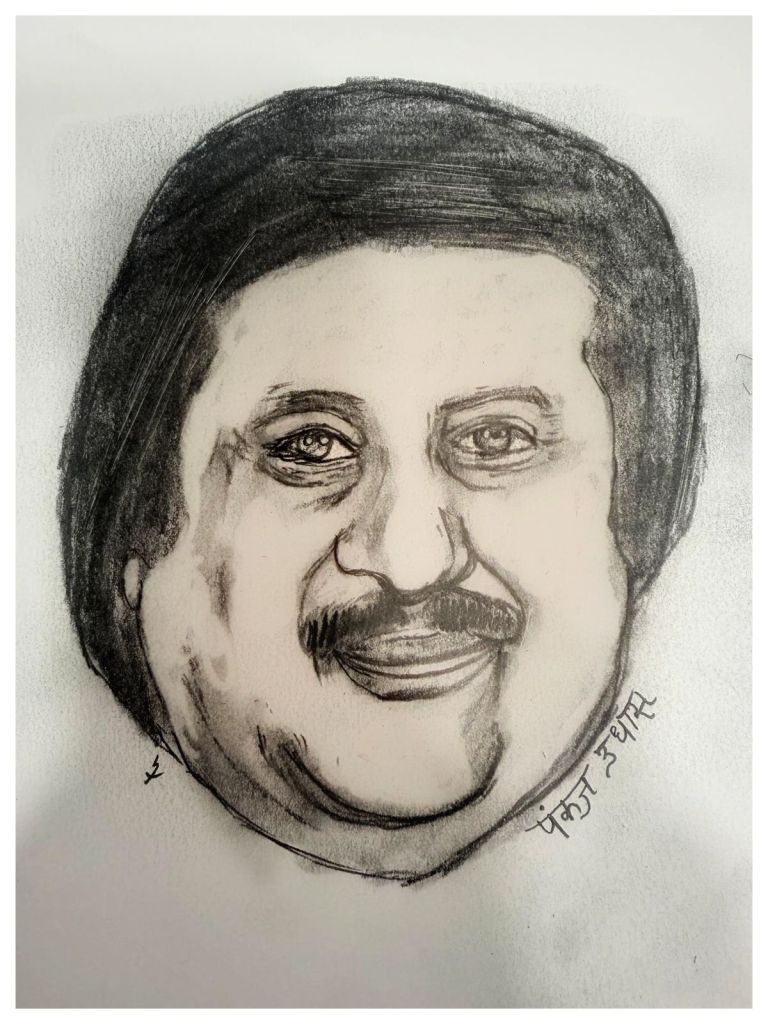
So remember that nature will thrive even if humans are not there! We do not take care of nature! It takes care of us! Then again only humans can sing! Not only sad songs like his name but also happy ones! That is Pankaj Udhas by the way in case you did not recognise the skecth!

shubh ratri!

The map of the tongue!

You would probably remember the diagram from school – a pink tongue with different regions marked for different tastes – bitter across the back, sweet across the front, salty at sides near the front and sour at the sides towards the back.

Even that biology experiment where we made sugar and salt solutions and touched different parts of our tongues to confirm the map was right!


The famous tongue diagram has appeared in hundreds of textbooks over the decades and the theory behind this map originated from a book written by Harvard psychologist Edwin Boring in 1942, which included a translation of a German paper, Zur Psychophysik des Geschmackssinnes, by Dirk P. Hänig, written in 1901.

BUT You will be surprised to know that the tongue may not have different regions specialized for different tastes!

In fact Neuroscientists and taste experts recently concluded that all regions of the tongue that detect taste respond to all five taste qualities with mild regional differences! Then again it is not so simple!


Messages about taste are sent to the brain via two cranial nerves – one at the back of the tongue and one at the front. As a further counter to the idea that different parts of the tongue detected different tastes, it was shown that even if the front nerve, the chorda tympani, is anaesthetised, people can still taste sweetness, which in the traditional tongue map is found at the tip of the tongue!

The next mystery has been how the brain decodes these messages delivered via the cranial nerve and in 2015 a team at Columbia University found that mice have specialist brain cells which respond to each taste!

So it is true that we have specialist equipment for each taste. But rather than being clusters of taste buds in particular regions of the tongue, they are specialized receptor cells with matching neurons in the brain, each attuned to a particular taste!

Different areas of the tongue can taste anything, but although some regions are slightly more sensitive to certain tastes though those difference are minute!

Taste thresholds have been also been shown to differ at different locations within the oral cavity where gustatory receptors are found. However, the relationship between the stimulation of particular taste receptors and the subjective spatially-localized experience of taste qualities is uncertain.

So although the existence of the ‘tongue map’ has long been discredited, the psychophysical evidence clearly demonstrates significant differences in taste sensitivity across the tongue, soft palate, and pharynx which are the sites where taste buds have been documented.


If, however, the claim is instead taken to relate to the perceived
spatial localization of taste qualities, and/or about sensitivity differences on different parts of the tongue, then psychophysics is more likely
to provide a meaningful answer than neurophysiology.

Indeed, it is worth remembering that Hanig (1901) original work was titled Zur Psychophysik des Geschmackssinnes which actually meant ‘The Psychophysics of Taste‘

So the actual idea behind the tongue taste map could have been lost in translation! Because in the original work Hanig: “believed that if the thresholds for his four stimuli (sucrose salt, quinine sulfate, and hydrochloric acid) could be shown to vary differentially around the perimeter of the tongue, then this would support the argument that these four tastes had distinct physiological mechanisms.

For those who interpret the tongue map as highlighting differences in
sensitivity, the relevant question to ask then becomes one of whether the
spatial differences in sensitivity are sufficiently great to merit consideration or not.

At the same time, however, there has also been growing interest in
the relationship between the composition of oral microbiota and taste
perception. There is also more studies between Gut health and taste perception! In fact even between individuals, there is a difference in taste perception! Some can even taste a food being bitter or going bad or on the verge of it (Like my dad, wife and son! in that order!)

You also have the fact that you need a good nose for getting a proper taste! Which is why your food taste bad in a cold or even in the sky! Beyond all that the most important is your mood and hunger! Even the tastiest food is bland when you are down! While a simple curd rice is tasty when you are in a good mood (Though for an average south Indian, curd rice is always tasty!).

Now do not worry about any map of the tongue! If you are hungry, simply eat!


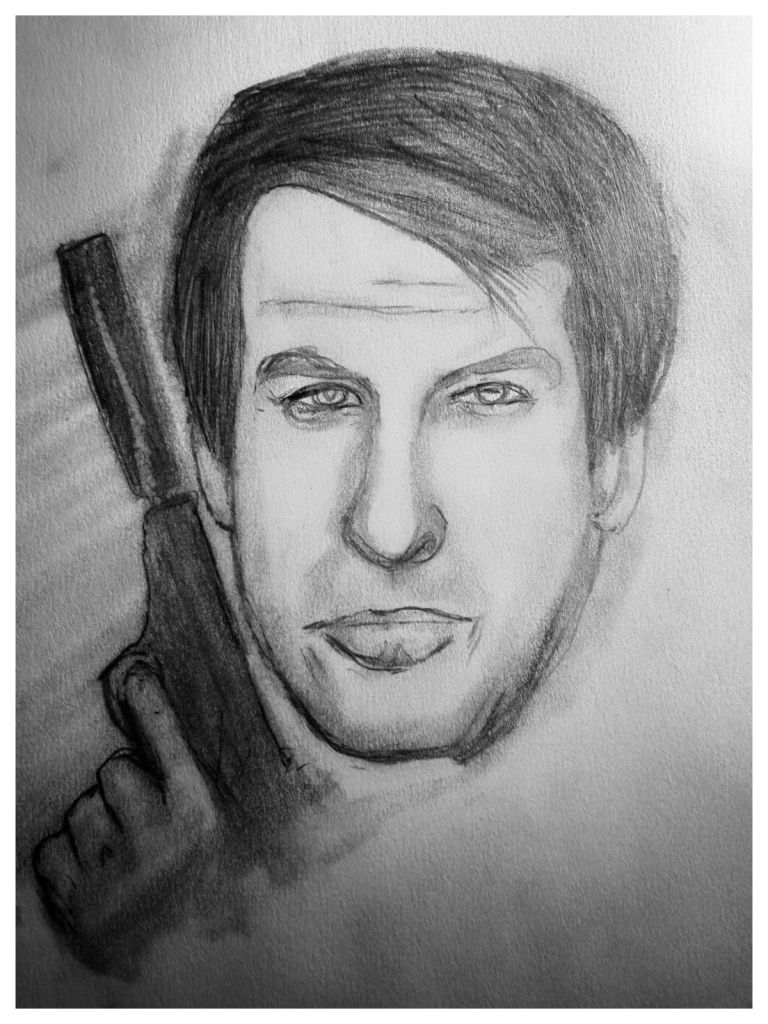
And if you are bond then simply shoot! A quick sketch inspired by Pierce Brosnan’s bond!
He will always be my favourite bond at least for now!

Remember that intelligence and secret agents in real life do not look or act like bond! They gel with the crowd and do not stand out!

Big salute to those scores of intelligence agents who do the work of national security in the shadows!

Jai hind!

Et tu brute…

As readers of William Shakespeare know, a dying Caesar turned to one of the assassins and condemned him with his last breath. It was Caesar’s friend, Marcus Junius Brutus.

“Et tu, Brute?” – “You too, Brutus?” is what Shakespeare has Caesar say in the Tragedy of Julius Caesar!

Now most of us who may not have read Shakespeare or at least the original versions of Shakespeare know this only from well, general knowledge! Though in the 11th grade I did have a Shakespeare phase where I got this huge book of Shakespeare plays and started reading them! The first one was Romeo and Juliet! The story started so slow and though everyone knows the story, it still took me couple of days to get through it! Only to realise that I was reading the summary and the actual play starts now! Which was also my end of the Shakespeare phase!

The point here was that the words about BRUTUS was not made by Caesar! Yes! Caesar never said these words! And Brutus was neither his closest friend nor his biggest betrayer, not by a long shot. The worst traitor was another man: Decimus Junius Brutus Albinus. Decimus was a distant cousin of Marcus Brutus. Shakespeare puts two men in charge of the plot to kill Caesar, Brutus and Gaius Cassius Longinus. Shakespeare mentions Decimus but misspells his name as Decius and downplays his role. But ancient sources make clear that Decimus was a leader of the conspiracy!

There are also other reports which say that Caesar said something else but to Brutus!

So when Brutus pulled out his dagger, he said something in Greek. And what he said was “Kaì sú, téknon” (You too, child). If he had said this then there have been three possibilities of what he meant!


One is that this is part of a line of a Greek tragedy that Caesar was quoting, indicating how educated and cultivated he was. It would be as if an English-speaking politician who was being assassinated should suddenly say a line in French!

A second possibility is ancient curse tablets. The Romans believed in curse tablets. You would get an inscribed tablet against one of your enemies and you would have it buried. And the typical thing to say on a curse tablet is “Kaì sú” (You too) – and this is what should happen to you, as bad things have happened to me!

The third possibility, and the most soap opera like is that the key word here is not “Kaì sú”, but ”téknon” (child)!  When Caesar was young, he had an affair with one of the most prominent women in Rome: Servilia, who was the half-sister of Caesar’s arch-enemy, Cato the Younger. And she was supposed to be the greatest love of Caesar’s life – so much a love that Caesar bought her a pearl that was worth a king’s ransom. She also happened to be the mother of Brutus!

And there was a rumour that Caesar was the natural father of Brutus: that Brutus was, Caesar’s lovechild! So, the idea is that by saying to Brutus, “You too, child”, Caesar was confirming the rumour and saying, in effect: you’re my son and you have just killed your father. You have committed parricide – which is the most heinous crime that a Roman could commit! A regular soap opera there!

Then again these are simple creative liberties taken for historical events! Do  remember that such historical figures are Mortals! They would groan and may be even cry out in pain and anguish! So any story of a dying historical man or woman telling something historically significant or even some grand words should be taken as, well, a story and nothing else!

That of course would not stop you from crying “et tu Brute” anytime some close friend of your cheats you! Of course you may feel like stabbing the other friend who would correct you saying that it is not ET TU BRUTE but ET TU Broote! Or You can zimply listen to someone who says ET TU BRUTUS! In each case the core thing is the fact that he or she stabbed you! What Julius Caesar said was immaterial!


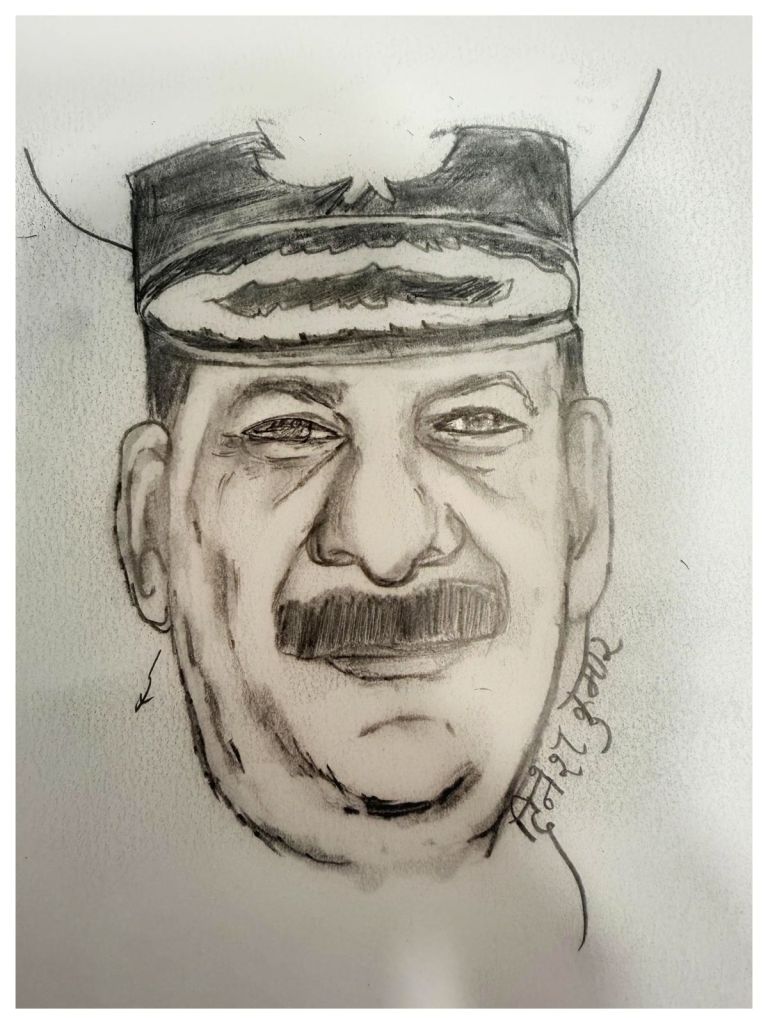
Important though is the fact that you must know who is the chief of your Naval staff!
It’s Admiral Dinesh K Tripathi, PVSM, AVSM, NM

Jai hind…

The dental infection!


Did you know that a tooth infection caused the death of close to 150 men? The killing was done by a pair of brothers by the way!

Do not worry though! It was long back and this is just one of the theories!

The story of the death of over 100 men who were mostly Indians, has been written in the history and well documented!

They were killed by a pair of Brother Lions!

Disney’s attempt at Humanising the LION in their movies is, well just a fairy tale!

Though with the recent way HUMANS are behaving, I am not so sure about the HUMANISING aspect!

The fact of the matter remains though that the Lions in this case were no insect eaters! They were called the Tsavo Man-Eaters!

The Tsavo Man-Eaters were a pair of large man-eating “maneless lion”  in the Tsavo region of Kenya, which were responsible for the deaths of many construction workers on the Kenya-Uganda Railway between March and December 1898.

The term “maneless lion” or “scanty mane lion” often refers to a male lion without a mane, or with a weak one.

The purpose of the mane is thought to signal the fitness of males to females. Experts disagree as to whether or not the mane defends the male lion’s throat in confrontations! Then again these “maneless lion”  were neither weal nor tame!

The lion pair was said to have killed dozens of people, with some early estimates reaching over a hundred deaths. While the terrors of man-eating lions were not new in the British public perception, the Tsavo Man-Eaters became one of the most notorious instances of dangers posed to Indian and native African workers of the Uganda Railway.

They were eventually killed by Lieutenant-Colonel John Henry Patterson, who wrote his account of his hunting experience in a semi-biography The Man-eaters of Tsavo. The original account of the kills and the whole fiasco is thrilling and scary!


Theories for the man-eating behaviour of lions have been reviewed by many and many theories have been put forward.

One was how an outbreak of rinderpest (cattle plague) in 1898 devastated the lions’ usual prey, forcing them to find alternative food sources.

The Tsavo lions may have been accustomed to finding dead humans at the Tsavo River crossing and may have got a “taste” of the ‘more tasty’ human meat!

One famous (or infamous!) theory is that the first lion had a severely damaged tooth that would have compromised its ability to kill natural prey.

Colonel Patterson, who killed the lions, disclaimed it, saying that he damaged that tooth with his rifle while the lion charged him one night, prompting it to flee.

Studies indicate that the lions ate humans as a supplement to other food, as a last resort. Eating humans was probably an alternative to hunting or scavenging due to dental disease and/or a limited number of prey! Maybe they needed some Human-vitamins!

Then a 2017 study by Bruce Patterson found that one of the lions had an infection at the root of his canine tooth, making it hard for that particular lion to hunt. Lions typically use their jaws to grab prey like zebras and wildebeests and suffocate them! So the tooth theory (it sounds like a tooth fairy!) still stands!

So the moral of the story!? Well, take care of your tooth! And no! This is not a ad for my dental colleague!

If you think you have not heard of the man eaters of Tsavo then may be you may have heard of this Movie inspired by them starring the two great stars of the time! Val Kilmer and Michael Douglas showing their ‘Basic instinct’ in the jungle! The way the lions used to attack got them a cool name! They were called The “Ghost” and the “Darkness”!

Of course you know the name now!
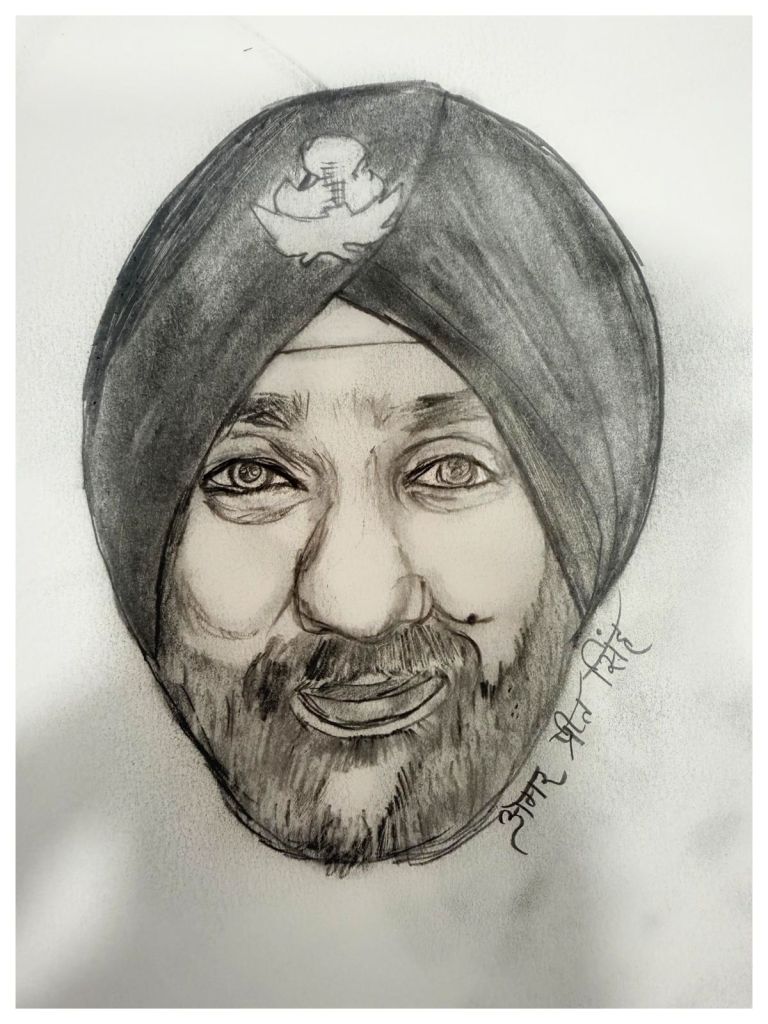
Well do you know who is the chief of Air staff!?

It is Air Chief Marshal Amar Preet Singh!

Proud of our air force!

Jai hind!