Biomimicry…

Do you know what is the common thing between a Velcro and a Bullet train!?

In simple terms it is BIOMIMICRY!

You have one of the best NATURAL machine in the world! The human or the animal body! The body design of a species has been perfected after millions of years of trial and error (read evolution!)

So Biomimicry is the practice of learning from and mimicking the strategies, forms, and systems of nature to solve human design and engineering challenges.

In this concept you treat treating nature as a mentor rather than a warehouse!

So innovators use 3.8 billion years of evolutionary problem-solving to create sustainable technologies!

In the system you can either copy the form or the biological process or the ecosystem!

Replicating the physical shape or structure of an organism, such as modeling high-speed train fronts after a kingfisher’s beak to eliminate tunnel sonic booms!

Then the copying of the process involves adopting natural chemical or physical processes, like studying how leaves harvest solar energy to improve photovoltaic cells!

Then you also have the copying of the ecosystem in which you design interconnected systems that function like natural communities, such as zero-waste manufacturing or buildings that self-regulate temperature like termite mounds!

The famous real world examples inclue the Japanese and other famous Bullet trains which are modeled after the kingfisher bird, allowing trains to travel faster while using less electricity and eliminating loud shockwaves.

Then you have the Velcro which was Invented after a hiker examined how burrs naturally clung to dog fur using tiny hooks!

Even you have the Whale Power Turbines which uses tubercles (bumps) inspired by humpback whale flippers on blades to increase aerodynamic and fluid efficiency!

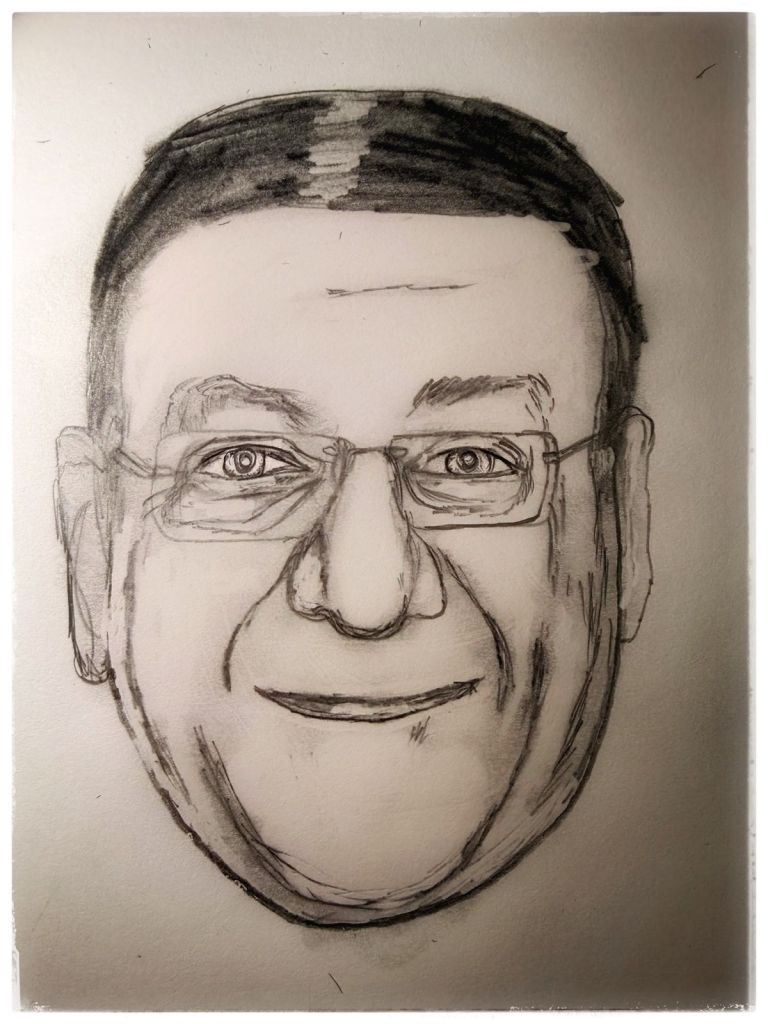
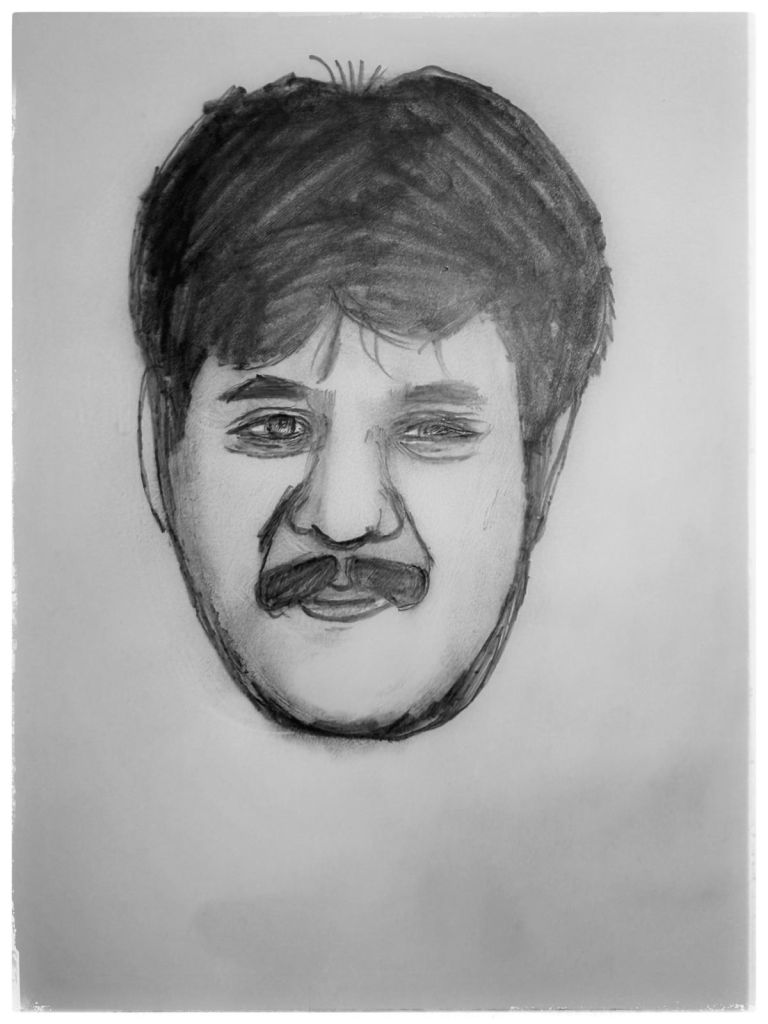
So you want to have something great; mimic the nature! The best mimics though are the actors like Srinivasa Sarja! Loved his latest movie Blast!
You may know him as Arjun Sarja!

Now use natural biomimicry to charge yourself! AKA Sleep!

Shubh ratri!
Don’t fight!

In the book called the 12 rules of life by Jordan B Peterson, he tells about lobsters fight each other in steps or levels!

They don’t just jump into a fight!

Even they have stages and only slow and steadily increase the INTENSITY so to speak!

The first stage of a Lobster is the Chemical Communication!

Here Lobsters release urine and specialized chemical cues containing data about their size, sex, mood, and strength!

It is like giving a data of its strength and weaknesses!

So if a weaker or less confident lobster senses a stronger opponent, it often chooses to retreat immediately without any physical contact!

Then you have Mutual Posturing or The Lobster Dance! So if neither lobster backs down from the chemical signals, they approach and face each other with raised claws.

They perform cautious, synchronized lunges or charges to test each other’s size, weight, and agility.Either animal can still choose to surrender at this stage if it feels outmatched!

Finally like HUMANS you have full Physical Combat!

So if the standoff continues, the lobsters engage in direct physical violence, locking heavy claws, pushing, and striking to win the disputed shelter or territory!

Finally like HUMANS, the winner establishes high social rank, while the loser retreats, experiencing physiological and behavioral shifts tied to its lower status!

Apparently the same phenomenon happens to humans also!

After a defeat or grave injury a feeling of inferiority develops which may cause the human to go down the hierarchy!

Jordan says that the best way to avoid this is to first start with the body posture! Stand up straight with your shoulders back and smile!

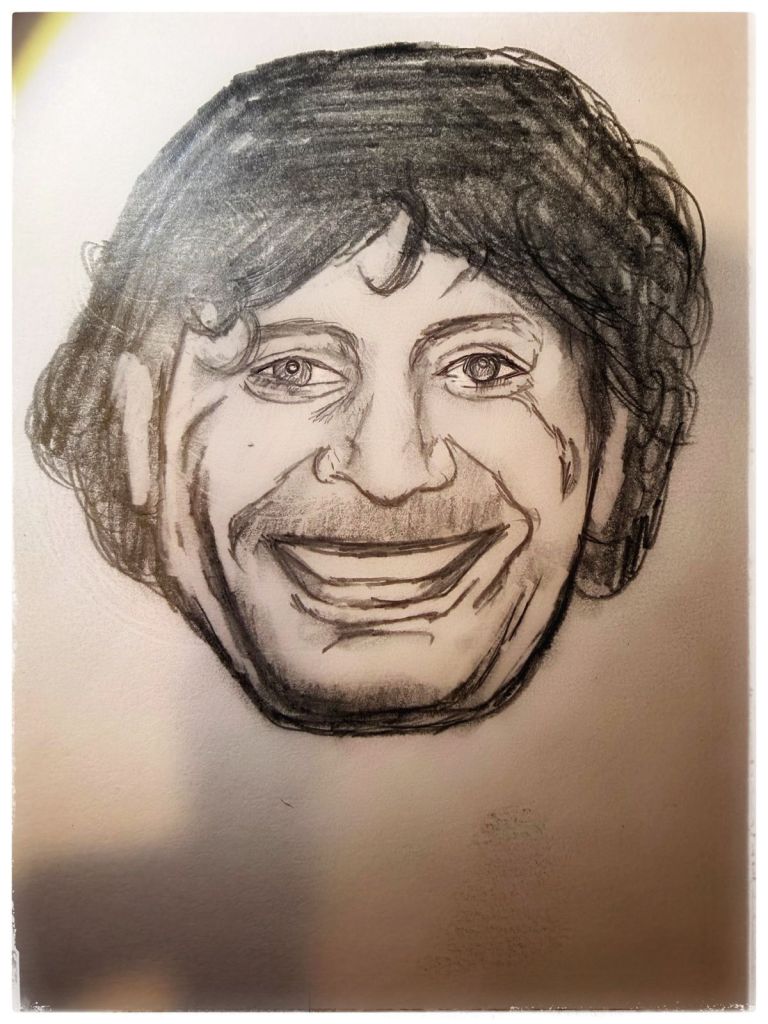
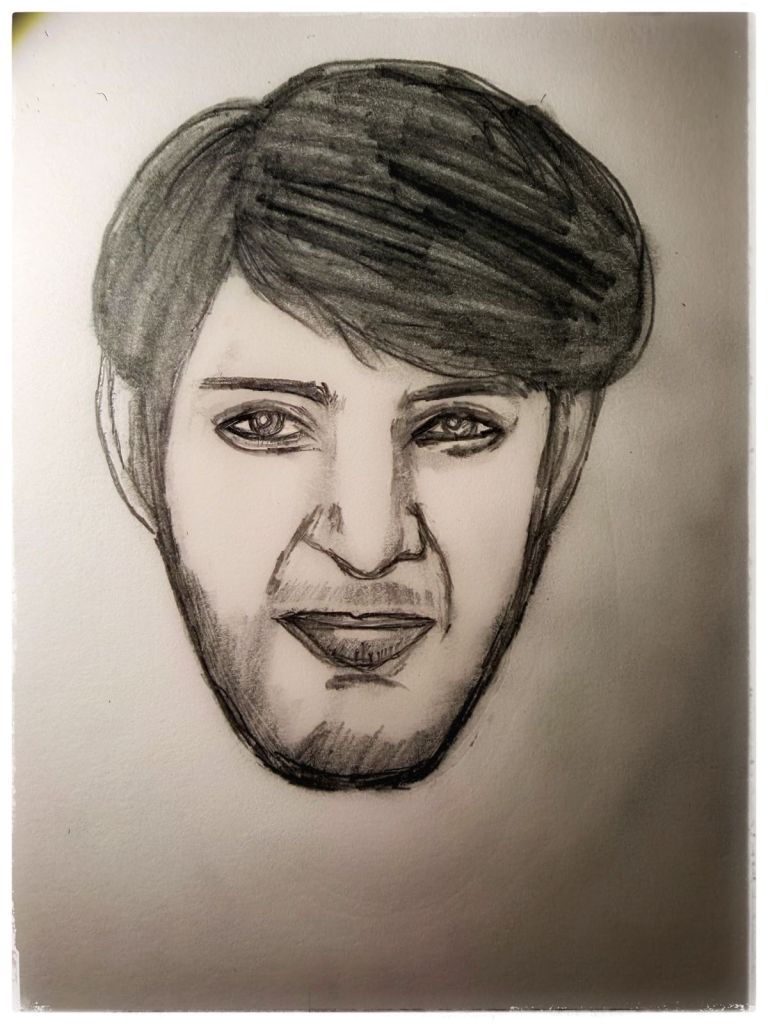
Or smile like Mahesh Babu!

Another busy day!

Shub ratri….

You may not like this JAM!

I love driving! Give me a vehicle and I will drive it and love it! Car or a bike or even a bicycle! I even love the skates! Quad skates or even the inline ones!

But every driver in the world hates one thing!

Do you know that Mexico City and Bengaluru are very close!?

Or that Nigeria and Costa Rica are very similar!?

The answer to all the three above is the same! TRAFFIC!

So driving anywhere is a pleasure especially with great car and road and some music and of course some good company!

But if you get the road blocks or traffic then all fun is lost! Whether the transmission is manual or automatic; it is a pain! For a city drive automatic is the best drive since you then do not have to strain both the legs!

But TRAFFIC would dishearten even the most dedicated and passionate driver!

All this when I was stuck in a city wide traffic! At one point walking the same distance would have not only be faster but actually half the time!

Just yesterday I drove close to 400 km in around 5-6 hours while a 20 km stretch in the city needed more than one hour!

It was not just me since then I investigated further!

According to public crowdsourced data compiled by the Numbeo Traffic Index, Nigeria ranks as the country with the highest overall traffic congestion index globally, followed by Costa Rica and Sri Lanka!

Nothing surprising there but then when I searched by city wide traffic congestion, my fears were confirmed!

So apparently Mexico City ranks as the city with the highest traffic congestion globally, with an average congestion level of 75.9%!

So why was I not surprised!? Well; the second rank goes to our own Bengaluru!

Bengaluru follows closely behind as the second most congested city in the world and the highest-ranking city in India, where drivers lose an average of 168 hours a year in traffic!

In fact there are two cities in the top list from India! Bengaluru and Pune!
Apparently you lose close to 160-170 hours because of the traffic! Not to mention patience and everything else!

You also get headache and free stress! As well as training in HORN management and how to FIGHT for your space on the already SMALL road!

Which is why I keep my driving on Bengaluru roads only occasionally with loads of time to spare!

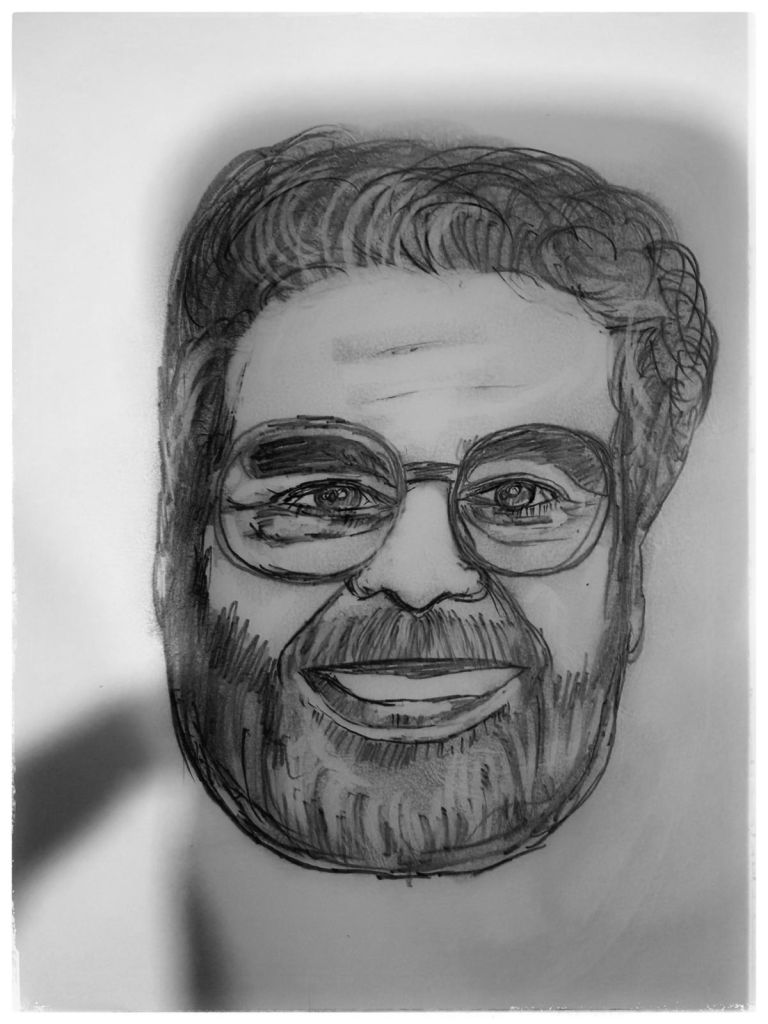
After making an almost complete circle of Bengaluru traffic I really do not have the DRIVE to make a connection with Gufi Paintal! Lets leave it at that!

Shubh Ratri! May you not have any TRAFFIC JAMS in your sleep!

The annual pilgrimage…


The routine for us most years during this time of the year is to visit our old village and the old temple to give our respects and pray for our health and happiness!

It is an amazing experience especially the beautiful drive over serene mountains in the background and frequent stops to eat and buy stuff and repeat!

Then the music connected to the car stereo and occasional fight over the choice of song to play!

Since our visit is not predictable, even our trip to our village is not predictable! We simply decide one fine day that we would go the next day and that is that!

Since it is a small place we would always get some hotel to stay though it may not be a grand one or new but the staying part is just a small part of the whole trip!

Sometimes there would also be some function and then the whole trip and the stay would be a done deal! I still remember how we had gone for our periappa’s 80th birthday celebrations!

In any case a visit to any place near our village would warrant a visit to our Chittur Bhagavathy temple!

It is an old building which would always be under repair! We would be giving donation every year but still some constructions will be always be happening!

The moment we reach anywhere near the village my father’s memory cells would get activated and his stories about every prominent part of the town we cross would start! Though most stories would be old, occasionally we would get some new stories!

Some places he would say, it is the same and those would never change while some he would say; it is just the same! This would never change!

He would visit the temple and tell everyone how he is from the very same village! Then we would visit his old house and take a snap for the umpteenth time!

The old doctor’s house or the old village school (Shalai!) or the old banyan tree! All would be seen and snapped and remembered nostalgically!

A visit to our favourite place to eat our Puttu and kadala curry is of course a must after the temple visit!

Then we would rush to the famous Kalpathy temple street ! Not for the temple only but for the tasty treats! The chips of banana or jackfruit or tapioca! Not to forget the pickles and the powders and the special sweets! The car would be full and the CHETA would give some fresh and hot BANANA chips which we would gobble with relish! And order a couple of extra packets!

The return journey would be so slow but steady with a steady intake of the accumulated treats and SNAPS in between with a silent promise to return again the next year with the same team and stories!

Stories of course reminds me of M K Shyamalan!

A blog written after 12 hours of driving!

Now thats is a memory! The leg pain though is not that pleasant!

Well deserved rest waiting for me!

Shub ratri…

The fast TAG you are it!

Time for another Japan Blog!

We were picked up by this van and there was a check point! The driver was a decent looking smart guy who bowed and we did the same!

It is a routine in Japan! The bowing! Like how in India we do Namaskara! They bow and say Arigato!

But after that the whole journey was in silence because we were told mainly by my daughter that we must not talk loudly!

So the blog is not about that! Like I mentioned we were approaching a toll point or a check point with the usual SLIDING gate!

Now as we all do or as every normal person in India who is not a VIP (which is most everyone of course!) does; we SLOW down!

But this driver sped up! The gate was still down and he was approaching him with the speed of a bullet! We were already silent but this act for the ones who have just landed in Japan was a shocker!

Our imaginations grew wild and we were so shocked and stopped breathing! It was so silent you could hear a YEN DROP (it’s Japan you see!)

Then within a limit of microsecond and a distance of may be a few centimeters the gate just raised! With a big WHEW from all of us though for the driver it was routine!


Apparently Norway introduced the world’s first electronic toll collection (ETC) system using transponders in Bergen in 1986!

Later milestones include Trondheim launching the first fully unaided full-speed electronic tolling in 1991, Italy deploying the first national-scale system (Telepass) in 1989, and Canada’s Highway 407 opening as the first fully automated all-electronic toll highway in 1997!

India introduced the FASTag system on December 4, 2014, as a pilot project on the Ahmedabad-Mumbai stretch of the Golden Quadrilateral. The electronic toll collection program was later rolled out more widely and eventually made mandatory for all four-wheeled vehicles nationwide by February 15, 2021!

Now it is a real comfort since it takes just a few seconds to READ! I still remember the clamour for change and the huge queues and the toll booths used to be nightmare!


Today during a similar road trip we were remembering that scene in Japan and also saw how effective the FAST TAG is here! Here of course the fast tag is also real fast and good but we DO SLOW DOWN since it takes a few seconds to read!

It is better this way here! After that fast ride on the highway we like to slow down and enjoy the ride! Like we enjoy our movies and directors like Vishal!

A quick sketch and blog after more than 11 hours of continuous driving!
Not bad!
Shub ratri…


How honest are you!?


On our recent trip to Japan (I know it is becoming irritating! But bear with me; the trip has ended and so will the blogs on Japan!)

So we realised that taxis are very expensive in Japan! So after spending a couple of days burning our money we got sufficient information and courage to try the underground metro! It was a revelation but this blog is not about that!

It is about Honesty!

After the eight of us were hopping trains and shopping; we returned with shopping bags full and wallets almost empty!

Then suddenly my sis in law realised that she does not have the lifeline of the modern generation with her!

The mobile phone! My brother calmly told her, “do not worry, just remember where you kept it last and it will be there only! This is Japan!”

Sure enough after another train hopping they found the phone kept beside the ticket counter as she remembered!

A huge relief for all of us! I was also amazed at the confidence my brother had that it would be found!
In fact Japan is widely celebrated globally for having an exceptionally honest society, heavily backed by cultural norms of civic duty, high social trust, and low crime rates!
Lost wallets containing cash are frequently turned in intact, and lost belongings are often left untouched where their owners dropped them!

People rely on a collective community understanding that stealing or keeping lost items breaks public harmony.

In fact Tokyo’s Metropolitan Police regularly process millions of yen in lost cash returned by honest finders and citizens!

There was in fact a very famous study done all over the world called the LOST WALLET test!

The test was based on a massive global scientific study on civic honesty which  tested lost wallet returns and other international corruption indices!

That study ranked Switzerland, Norway, and the Netherlands as the world’s most honest countries, closely followed by Nordic nations like Denmark, Sweden, and Finland!
The famous global field experiment tested honesty by dropping over 17,000 “lost” wallets across 355 cities in 40 countries.

The likelihood of people trying to return a lost wallet defined the civic honesty rankings! Even Japan has consistently ranked high in this and many other studies and tests on honesty!

So apart from the comfort and the technology; the one thing we were hardly worried about was theft! That is a great plus for international travel!

Then again coming back to Bharat is an amazing feeling since it is our own country! Which is why we love our food and movies more than anything else! Which reminds me of Pradeep Ram Singh Rawat; heartfelt condolences, he will be missed…

Om shanthi…

As fast as a bullet!

After ages we went on a train ride and what a ride it was!

Since the tickets are already done there; all you get is a QR code and that is the only thing you need!

After that first scan you get your station and the seat number and that is it!

The train we took was the Tokaido Shinkansen bullet train which covers a total distance of 515 km (320 miles) between Tokyo Station and Shin-Osaka Station!

The journey takes as little as 2 hours and 21 minutes on the fastest service! My brother had this app by which he could see the speed and we were so amazed! Fast as a speeding bullet and so comfortable!

No food service though which would have given us nice memories of train journeys!

Now this line is no longer the fastest in the world now, a record held for now by Shanghai Maglev (China) — 460 km/h (286 mph)!

But when it was introduced it was a revolution! It still is because of its speed and safety!

The world’s first bullet train is Japan’s Tokaido Shinkansen, which made its historic debut on October 1, 1964.

It was timed perfectly to showcase Japan’s post-war tech recovery to the world just before the Tokyo Summer Olympics.

The Route connected Tokyo and Osaka (515 km), slashing the previous 7-hour trip down to 4 hours

The legendary 0 Series Shinkansen, instantly recognizable by its aerodynamically shaped, aerodynamic bullet nose!

Operated at a groundbreaking 210 km/h, setting a new global benchmark for rapid rail transit!

It so so safe that in its over its 60+ year history, the system has maintained a perfect zero passenger fatality record from collisions or derailments! Now that is an amazing feat!

Do not worry though! Bharat is also in line to get its own bullet train very soon!

The Official phased passenger services are scheduled to begin on August 15, 2027, coinciding with India’s 80th Independence Day!

The Route will be a 508-km corridor stretching from Bandra Kurla Complex (Mumbai) to Sabarmati (Ahmedabad).The Early Phase: Operations will start on a 100-km initial testing stretch in Gujarat between Surat and Vapi!

Moving at operational speeds of 320 km/h, it will reduce a 6-hour journey to roughly 2 hour!

Even our journey was so smooth and safe and sped off like a BULLET! The station and the train was spotless and the toilets so clean!

Frankly though I do like our trains with the mess and the fun! The hawkers selling tea or some food you could smell from far! Or the comic book shop! Not to forget the seller who will have some magical pen which would write so well in the train and literally stop once you reach home!

Instead of these you had the dispensers here which had water or coffee or juices and even some light snack and soup! Kids loved spending (Wasting!) the coins on that and every five ten minutes they would ask if we needed water or some juice! Guess it is there way of fun and this is what they would remember when they go back to Japan or ride a train some day in the future!

Time also flies like a Bullet…

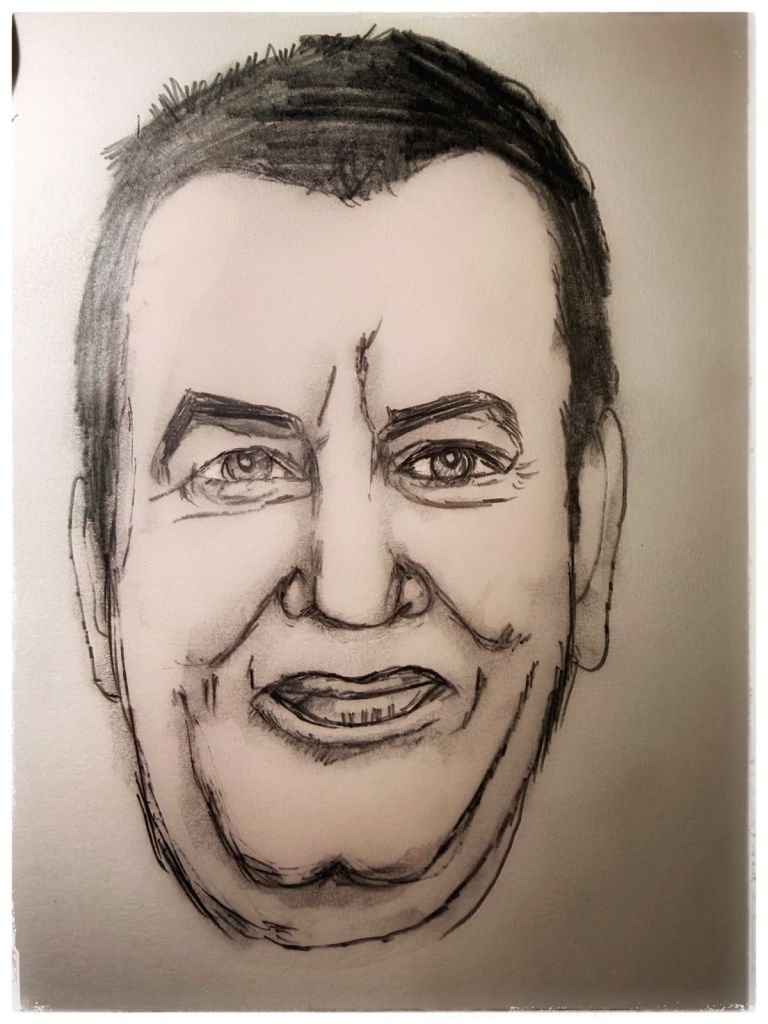
Like how it’s already one year since I sketched Kishore da!

A calm and cool sketch after one week! And it shows!

Shub ratri…

Are you clean!?


One of the biggest issues of any hotel or house is not the food but the after food!

The Garbage!

This blog is basically Garbage!

Do you know the most filthiest animal in the world!?

It’s your neighbour!
And for your neighbour; it’s you!

Anyway do not think dirty! The average human is a relentless garbage generating machine!

The average person produced 4.9 pounds of trash a day and globally we produce 4.5 trillion pounds per year!

The one interesting thing I noticed in Japan is the clean street and every place! Including a bus or even a small hotel!

This when you can hardly see a garbage bin or can!

If you generate garbage in Japan you have to keep it with you and thrash it only at a particular place! Most actually pack their thrash and take it back to their hotel and home!

Littering is treated with a heavy fine!

Japan thus manages waste through strict household sorting, high-temperature incineration, and municipal rules.

In fact the waste sorting itself is very proper and proper! I can proudly say that our apartment the Sandeep Vihar apartment also does this with great efficiency!

Households separate trash into categories like burnable, non-burnable, recyclables, and PET bottles!

Roughly 80% of waste is burned in advanced facilities to reduce volume and recover heat energy due to limited landfill space.

The local city offices set specific collection schedules, rules, and specialized disposal bags for residents!

National laws promote the 3Rs (Reduce, Reuse, Recycle) to minimize natural resource consumption.

This is not only in the big cities like Osaka or Tokyo but even rural areas and models like Osaki and Kamikatsu achieve high recycling rates (over 80%) through extreme community-level sorting and composting!

Now that’s being clean!

Clean and organized also is our own football super star Sunil Chhetri!

Now clean your area and sleep!

Shub ratri…


Manga!?


Did you know that the rage of comic which is taking over the world along with DC and Marvel is been around from the 18th century onwards!?

Or that it may be sounding like a guy but it’s got nothing to do with the homo sapien!

The comics are called the Manga!

The word “manga” comes from combining two Japanese kanji characters: man which does not mean a GUY but actually means “whimsical” or “random,”( actually that’s basically the quality of some men!)

The other word is ga which means  “pictures” or “drawings”.

Together, the term translates to “involuntary pictures” or “sketches run riot”.

The term appeared in late 18th-century works, such as Santō Kyōden’s picture book Shiji no yukikai in 1798.

The famous ukiyo-e artist Katsushika Hokusai popularized the word with his famous sketchbooks, Hokusai Manga, published between 1814 and 1834

While these early 19th-century books were random sketches of everyday life, the word evolved in the late 19th and early 20th centuries to describe modern cartooning and sequential comics!

Some of the story lines are so complicated that it may not be everyone’s cup of tea or Cha as they say in Japanese!

It’s interesting and fun! Like the movies made by Siddique!

Shub ratri…

Capital of Japan? kyo!

Did you know that this city in Japan which sounds so similar to Tokyo was the first CHOICE for the dreaded atomic bomb explosion!?

Or that it’s University has produced more than 12 Nobel laureates!?

Or that it was the capital of Japan for years!

Without further beating around the bush I can mention that the city in question is KYOTO!

Kyoto was the imperial capital of Japan for over 1,000 years, from 794 to 1868. The name Kyoto literally means “capital city”. It served as the heart of Japanese culture, tradition, and the home of the Emperor before the capital moved!

Also the first bomb target was Kyoto all because of its cultural value and importance!

But thankfully Kyoto was spared from the atomic bomb because U.S. Secretary of War Henry L. Stimson strongly protected it.

He argued that destroying Japan’s ancient cultural and religious capital would cause deep, lasting hatred and hurt post-war peace. President Harry S. Truman agreed and removed it from the target list!

Finally after all that, the hard working and intelligent Japanese minds got together and made the Kyoto University!

The Kyoto University has a strong global standing with 11 to 12 Nobel laureates (and up to 21 broadly affiliated individuals) who graduated from or worked as researchers/faculty at the institution!

So if you want a Nobel maybe you can apply to the KYOTO University!

Our trip of Kyoto with the amazing temples and mountains and the amazing people make me wanna dance like Bhagwan dada!

The sketch was made while traveling in a moving bus! The blog written with inputs from our Guide though!

Shubh ratri…!