Do you have a blue…tooth!?

“He could hear voices in his head! 

The thoughts of going insane filled him with dread!

The medic then examined his hat!

There was a small speaker underneath that!”

This is a tech which is an integral part of our tech armamentarium but did you know that this was invented way back in the 1990s but came into the market only in the 2000s!?

read on!

The Bluetooth technology covers everything from audio for wireless headphones and speakers, pairing gaming controllers and keyboards, tethering internet connections, and even occasionally transferring files over the air. Even to the extent that it can be used for remote controlling!

Like everything else, Apple always tries to do things different and by default even the first iPhones and subsequent ones do not use Bluetooth tech for file transfer! They introduced their wifi transfer which was better and faster and later taken up by others!

But still Bluetooth is a valuable tool and much energy efficient since the power consumed and the tech required is much basic! 

The Bluetooth standard was originally conceived by Dr. Jaap Haartsen at Ericsson back in 1994. Everyone knows the story how it was named for a renowned Viking and king who united Denmark and Norway in the 10th century!

At the time, it was designed to replace RS-232 telecommunication cables, a much older standard conceived in 1960, by using short-range UHF radio waves between 2.4 and 2.485 GHz. 

In 1998 the Bluetooth Special Interest Group (SIG) was formed, which to this day publishes and promotes the standard and its subsequent revisions. Bluetooth SIG initially only included Ericsson, IBM, Intel, Nokia, and Toshiba, but reached 4,000 members by the end of its first year. Shortly after the inception of the Bluetooth SIG, devices began making their way to markets. The group now contains over 30,000 member companies at various levels of influence!

The first consumer Bluetooth launched in 1999. It was a hands-free mobile headset that earned the technology the “Best of Show Technology Award” at COMDEX. The Bluetooth 1.0 specification also officially launched that year, leading to the release of the first Bluetooth-equipped chipsets, dongles, mice, wireless PC cards, and mobile phones in 2000!

The latest Bluetooth version, the Bluetooth 5 offers the flexibility to make IoT solutions better because of 2x speed, 4x range 8x data capacity. It offers better IoT connection as the range increased up to 4 times. So not only home but whole building, industry, factory, office surrounding would be possible to connect properly. In case you are wondering what is IoT; well the term IoT, or Internet of Things, refers to the collective network of connected devices and the technology that facilitates communication between devices and the cloud, as well as between the devices themselves!

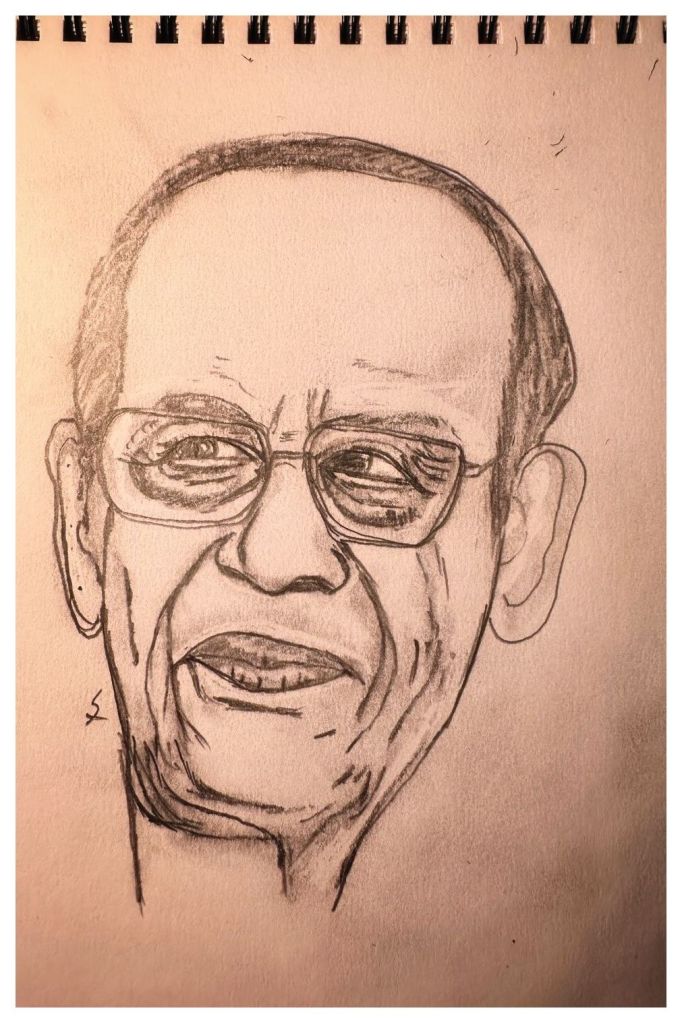
Bluetooth was originally conceived with wireless voice calls in mind but not high-quality music streaming which is its primary use now! Bluetooth now has had competition from Infrared tech which soon became outdated and slow, NFC, WIFI and others! But still, even after more than 30 years of its first invention, it continues to be the first choice in audio! Reminds me of the day’s celebrity who was also the best choice for good roles Mangal Singh Dhillon! 

Now turn off all bluetooth devices and sleep!

Shubh Ratri!
Camino Ghosts by John Grisham

Camino Ghosts by John Grisham!

Fictional thriller genre 

Ebook review

No spoilers; not a murder mystery anyways!

I fail to see the love John has with the Camino! This is the third in the series starting with Camino island which was in fact an introduction to the island but very soon departed to stolen books and introduction of the character called Bruce and Mercer! Then you had some thrill with stolen rare books and an exciting ending but the best part of that novel was how to write a novel and get over a slump!

It was followed by Camino winds which like the name suggests is about Camino Wind or cyclone Leo and then a murder mystery which was a frank let down!

After that debacle (according to me) this is a resurrection of sorts for some characters and also the story!

Now although the title points to Ghosts, and the stories do too; it may not be the essence of the story!

The depiction of the slave trade even in passing was really bold and heart wrenching! Some parts are really truthful and those are the places in which John shines!

I really wonder though how he writes and generates novels like a factory on steroids! Just some time back I had written the review of the sequel to the firm!

In fact even his gray mountain series has some books! Not to mention his Kid lawyer series of Theodore Boone! And here I am struggling to finish one novel!

John may be the one author who writes faster than I can read!

Now coming to the story proper, Mercer who was missing in the second novel is now a popular novelist who has two great books under her sleeve and a marriage and a god job to boot! Her friend then introduces her to a non fictional novel written by a debutant who had written it as a memoir to her people in some island near Caimino!

That island then gets into the radar of developers while Lovely the last inhabitant of that island which is like a sacred spot to her, gets in the way!

Between the court and the field, what happens is the rest of the story!

Of course it is fast paced and gripping in places and apart from some serious stuff in the middle, the novel in fact moves according to the plan!

There are no surpsises and it is a fairly predictable ending!

You do not have to read the first two novels to read this one since even though many characters are same and in chronology, the stories are independent. Of course if you are a stickler to series like me then please read the first two novels or at least read my summary of them or use the wiki!

A good time pass but nothing much to write home about!

I Miss John of the Firm and The Pelican brief and the King of tort days! 

Luckily Camino Ghost is tolerable and not ghastly!

Don’t wash your hands and get rich!


“I washed my hands but they were still dirty!
The stain was so dark and deep!
I rubbed with the saop all night long!
Only to realise t’was a dream in my sleep!”

Remember how you have always been told to wash your hands before you eat? Of course frequent washing became an obsession after COVID!
I still remember the days of Cadaveric dissection in our MBBS! Our initial days we used to wash and wash with all sorts of soaps and cleanser to feel clean and mainly to get that smell of formalin out! If the lunch was after dissection then we of course would not be in a mood to eat! Later on adaptation set in and we used to just have a quick wash with or without soap! And rush for a hearty lunch!

Now, how would you feel when I tell you that one of the biggest inventions happened because this scientist rushed to have food without washing his hands!?

So the Scientist in question is Constantin Fahlberg! The overworked guy (who isn’t!?)
was working for a long time on the compound radicals and substitution products of coal tar, and he had made a number of scientific discoveries, that were , so far as he knew, of no commercial value!

One evening he was so interested in his laboratory that he forgot about his supper till quite late, and then rushed off for a meal without stopping to wash his hands!
Since it was pre Covid days, I guess it was still not the norm!

So he sat down, broke a piece of bread, and put it to his lips. It tasted unspeakably sweet! He did not ask why it was so, probably because he thought it was some cake or sweetmeat.

He rinsed his mouth with water, and dried his moustache (yes, that was also the norm!) with his napkin, when, to his surprise the napkin tasted sweeter than the bread!

Then he was puzzled and he again raised his goblet, and, as fortune would have it, applied his mouth where his fingers had touched it before. The water seemed syrup!

It flashed on him that it was the cause of the singular universal sweetness, and he accordingly tasted the end of his thumb, and found it surpassed any confectionery he had ever eaten!

He saw the whole thing at once and had discovered some coal tar substance which out-sugared sugar! He then dropped his dinner, and ran back to the laboratory!
There, in his excitement, he tasted the contents of every beaker and evaporating dish on the table. Luckily for him, none contained any corrosive or poisonous liquid or then we would not have heard about it! I still wonder if many such inventions have been missed because the inventor at that time was not so lucky!

So anyway one of them contained an impure solution of this new product. On this he worked then for weeks and months till I had determined its chemical composition, its characteristics and reactions, and the best modes of making it, scientifically and commercially!

When he first published my researches, some people laughed as if it were a scientific joke, others, of a more skeptical turn, doubted the discovery and the discoverer, and still others proclaimed the work as being of no practical value!

But when the public first saw this product and tasted it, everything changed!

The product is proving a wonderful success. It is used already in many ways. Prof. Leyden, of Berlin, recommended it to sweeten fine wafers and other foods for invalids, and wrote a formula for it in such cases. This is used by bakers and confectioners, and more specially by Mannl & Co., the great wafer manufacturers of Carlsbad, Bohemia. It is also employed by the makers of glucose and beet sugar!

The product is so sweet that two or three teaspoonfuls converts a barrel of water into syrup! A small wafer of it converts the bitterest quinine solution or acid drink into a regular molasses!

Yes! The sweet sugar substitute is Saccharin!

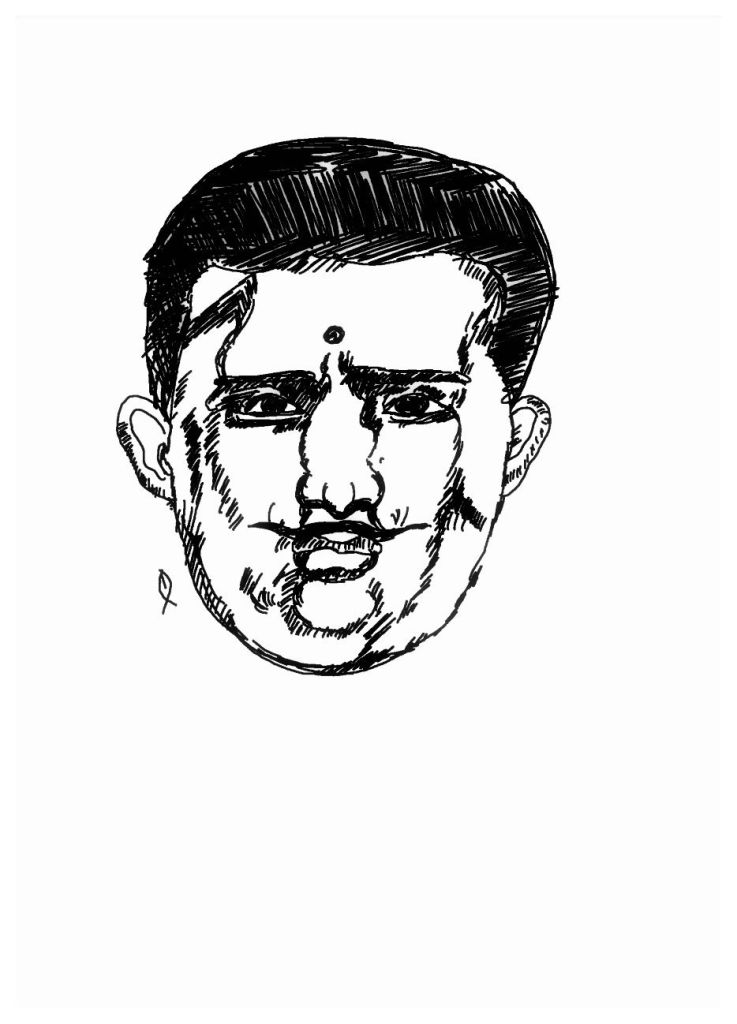
It is not a sugar, but contains carbon, hydrogen, sulphur, oxygen, and nitrogen; and its chemical name is benzoyl sulphuric imide. It is neither a nutrient nor a poison. It is derived from the toluene of coal tar, by a process comprising at least seven distinct steps! It has a far sweeter taste than sugar, and a faint, delicate flavor of bitter almonds. Of course, the side effects and other profile has to be researched further but overall sometimes even not washing your hands may lead to lottery! Of it may not work everytime like when sometimes the lamp burns while sometimes or somewhere your heart! Which reminds me of the famous song of birthday celebrity Hemanta Mukhopadhyay; Kahin Deep Jale Kahin Dil!

Listen to it and you will get a good sleep! Of course if your heart is burning when you are old then it may not be love, but more likely acidity!

Shubh Ratri!

Slow but not safe!

“The slow and steady may win the race

Only in stories or to save the face! 

‘Cause in real life speed is the king! 

Without that you can’t talk an’ can’t sing!”

When we were learning to sail using the small sail boats in the Hussain Sagar Lake boating club in Hyderabad; our instructor was a funny guy! He used to tell us that sailing a boat and flying a plane are only for people who drive a car fast!

Previously he was a flight instructor and he used to laugh when parents used to urge him to take the students in the flight slowly! 

He used to tell them that if you fly a plane slow and low then you will crash! 

Same thing for boats with a sail! You have to accept the wind as much as you can! If the wind direction is opposite then that’s the only time you are forced to sail slow!

So not everything which is slow is good! If you are making Upma for example, when the water is boiling if you don’t put the rava fast and mix fast then it will either form lumps of be unevenly cooked! 

In the same way a common perception is that driving slow is good! Well that’s subjective! If you are driving a vehicle then you must stick to the average speed! Faster of course is bad but driving too slow is also not good! 

 In fact, driving too slowly can be almost as dangerous as going over the speed limit.

Although it is smart to take caution and drive slowly when it is foggy, raining, or while in a school zone, you should not drive too much under the speed limit during normal circumstances. 

The reason for this is because slow drivers can disrupt theflow of the traffic and cause congestion on the roads. When this happens, it causes other drivers to continuously slam on brakes or feel the need to pass, which puts all vehicles close by at risk of accidents!

Individuals who choose to drive 10 miles under the speed limit are six times more likely to be in a car accident! 

Other trouble spots will emerge when blind turns or low visibility conditions are involved; coming up on a slow driver on a foggy day, for instance, can present the approaching driver with a very limited opportunity to slow or otherwise avoid the accident! 

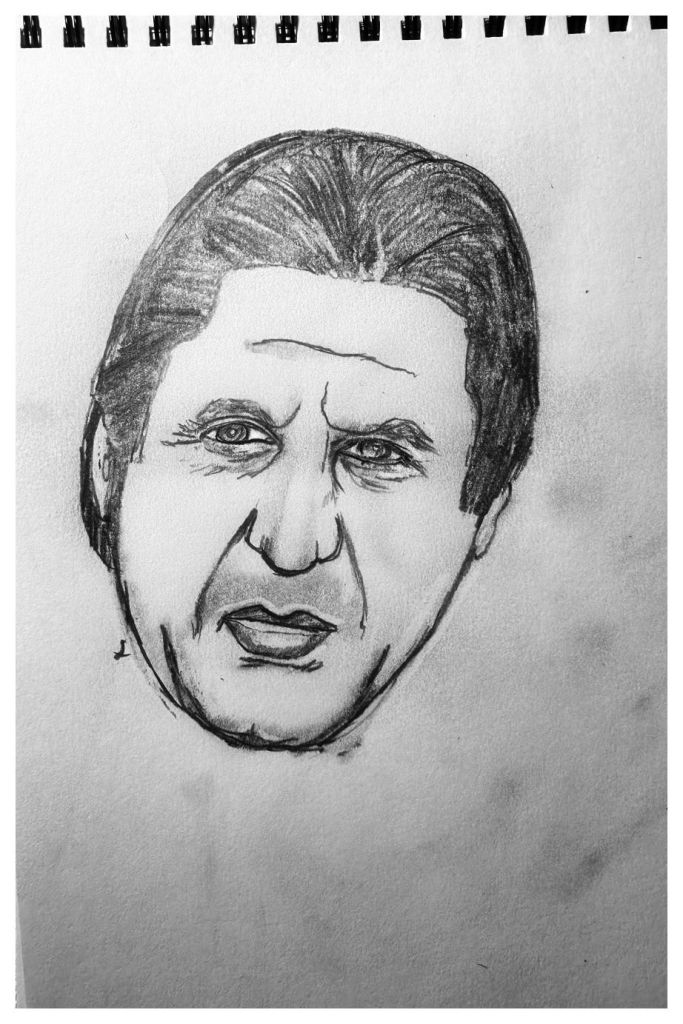
That’s why there are many places where you are fined even for driving slower than the limit! Of course out birthday celebrity will always be fine when he drives like a commando in his movies and ask, ‘doon kya!?’. 

Our own James bond Mithun da! Or  Chakraborty!

Now stick to the speed and all will be ok!

Shubh Ratri!

Have a big life!

“A small puddle on the road filled with water! 

You would love to jump on it with laughter!

But right now you are too old you see!

Though your inner child will jump with glee!” 

One of the most popular books about longevity is “Ikigai: The Japanese Secret to a Long and Happy Life,” written by Héctor García and Francesc Miralles.

Ikigai loosely translates to “the happiness of always being busy,” and is centered around a person’s true purpose in life. Finding your ikigai is said to make life more meaningful.

The book and all the hype and fame of Ikigai is actually based on this small place in  Okinawa, Japan, a blue zone with the highest concentration of centenarians in the world!  Which basically means that this is a place where you have the highest concentration of people more than a hundred years old! Imagine that!

In fact if you are around 80 years old then you may be probably one of the youngest in that area!

Here ikigai is a common theme, according to García and Miralles who interviewed some of the world’s oldest people.

In fact the village has been the center of study of many and there has been several attempts made to understand why or how they live so long! Even otherwise Japanese have been known to have big life expectancy! 

A Japanese proverb states: “Only staying active will make you want to live a hundred years.” 

In this village you will find things which are unlike other ‘old’ people places! Being old is not an excuse for them! In fact even the oldest of the lot work like it is not big deal! They do not simply take rest and drown themselves in nostalgic reminiscence (of course they do that also but not always!)!

Instead they work! The catchpoint here is another Ikigai concept! You do the work which is your Ikigai!

Now this has become a common theme in many courses all over the world! 

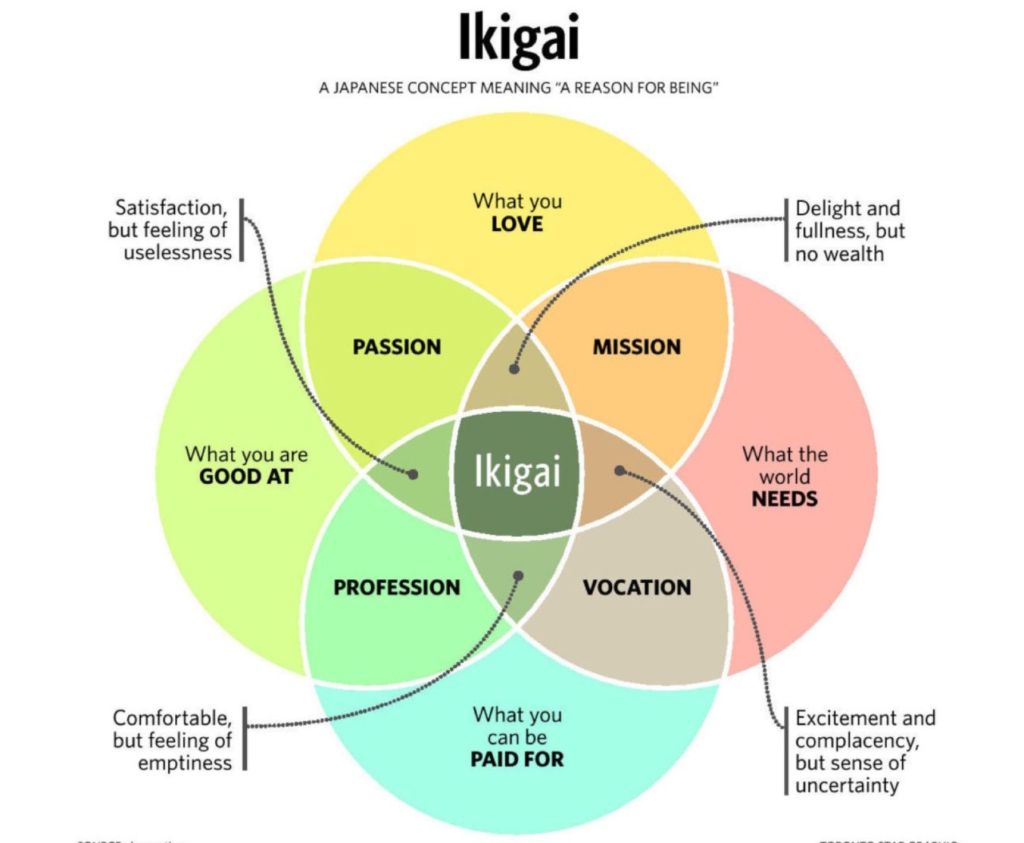
How do you find your Ikigai?

Well it is the junction point of four things! The first step is to find what you love! Make a big list! Then select the thing you are good at! Then make a list of things which will make the world a better place which you love and are good at! And finally list the thing which can make you rich! Now the last can be stuff which can make actual money but it should also be interpreted as which makes you rich in experience also and not just the cash!

Once you get the centre point of these four circles then you would have found your Ikigai and that will make you live life king-size! Remember what Anand says; “Babu moshai, Zindagi Badi honi chahiye, lambi nahi!” which means LIfe must be big and not simply long! The people in Okinawa have a long life because their life is big! A larger than life figure also is birthday celebrity Kisan Baburao “Anna” Hazare! 

It has also been said that sleep is very important for ‘big’ life! So sleep!

Shubh Ratri!!

The track and the horse’s back!

“The train follows the track!

There is no looking back! 

Of course if there’s some slack 

Just Watch out for any crack!”

Some years back there was an interesting forward which was found to be more or less true which is a rarity in WhatsApp forwards which is why I have stopped forwarding any ‘facts’! This one was very interesting since it said that the modern rocket back is actually the size of two horse’s behind!

Read on!

Now the standard railroad gauge (distance between the rails) is four feet or 8.5 inches (US and their standards!). In normal human being terms; A standard-gauge railway is a railway with a track gauge of 1,435 mm ( 4 ft 8+1⁄2 in). The standard gauge is also called Stephenson gauge (after George Stephenson), international gauge, UIC gauge, uniform gauge, normal gauge and European gauge in Europe, and SGR in East Africa!

The sequence described now is a famous one and is replicated more or less the same! 

Now most standards gauge was initially built in England! And it was replicated by them in other parts of the world!

Now why did the English build them like that? Because the first rail lines were built by the same people who built the pre-railroad tramways, and that’s the gauge they used!

Why did “they” use that gauge then? Because the people who built the tramways used the same jigs and tools that they used for building wagons, which used that wheel spacing!

Okay! Why did the wagons have that particular odd wheel spacing? Well, if they tried to use any other spacing, the wagon wheels would break on some of the old, long-distance roads in England, because that’s the spacing of the wheel ruts!

So who built the old rutted roads? The first long distance roads in Europe (including England) were built by Imperial Rome for their legions. The roads have been used ever since!

And ruts in the roads? The initial ruts were formed by Roman war chariots, which everyone else had to match for fear of destroying their wagon wheels. Since the chariots were made for Imperial Rome, they were all alike in the matter of wheel spacing! 

Finally that distance is the standard railroad gauge of 4 feet, 8.5 inches! Which derives from the original specification for an Imperial Roman war chariot. 

The Imperial Roman war chariots were made just wide enough to accommodate the back ends of two warhorses! 

There is a new modern twist to this! 

A a space shuttle sitting on its launch pad has two big booster rockets attached to the sides of the main fuel tank!

These are Solid Rocket Boosters, or SRBs. 

The engineers who designed the SRBs might have preferred to make them a bit fatter, but the SRBs had to be shipped by train from the factory to the launch site! The railroad line from the factory had to run through a tunnel in the mountains!

The SRBs, therefore, had to fit through that tunnel. The tunnel is slightly wider than the railroad track, and the railroad track is about as wide as two horses’ behinds!

So over two thousand years ago, the width of two horses’ behinds turned out to be a major design feature of what is arguably the world’s most advanced transportation system! 

Am sure when we have an advanced vehicle developed for interplanetary transport, it will be the size of two horse’s behind! Now that may be music to a donkey! Music makes me think about the birthday celebrity Pritam Chakraborty!

Now do not think about a Meter gauge and sleep!

Shubh Ratri!

My house is a flat apart!

“All the houses clear and same!

May have different colour or name!

But the world outside is different you see! 

That’s why this flat works for me!”

When I was doing my MBBS in Kerala; and when I used to tell my friends that many people in Bengaluru live in apartments, it was a big shock to many! Now of course Kerala has some big swanky apartments but the average Keralite would not have seen himself or herself restricted in a closed space! 

They have such large houses with a courtyard and open spaces with a variety of trees in the back! The house was only a part of the whole system! 

Most of the houses were big and full of green! Many times there also will be a well and then some! The average house may not be bright much but the nature as its decoration, it used to feel grand!

We city folks of course know how to live in an apartment! Of course individual houses do have their charm and responsibilities but apartments have their own good stuff! If you are part of a township or society then it a very good deal especially in the early and later phases of life! 

As work increases in city though, these high-rises are the norm! I had seen one image of an apartment complex in China which made me dizzy!

Many family like to stay in independent houses if given a choice but the average worker is usually given an apartment which he or she has to share with others. That life is something different and the norm of the working class now. 

Now if you thought that the apartments were a new thing you would be surprised that they were here thousands of years ago!

It is believed that the first apartment buildings were built by the Romans two thousand years ago. These multi-story structures were called insulae (pronounced insul-eye) meaning islands, because they took up a lot of space equivalent to entire city blocks. These apartments were crafted from unforgiving materials such as timber and mud so fires and collapses were common. 

The rich continued to live in separate houses while the poor rented these apartment spaces from wealthy proprietors!

Bottom floors were usually taken up by shops and businesses with the upper sections reserved for residents which is so similar to the situations today!

Other evidence of vertical living has been shown around the world. In Arizona, for example, Montezuma’s cliff dwellings showcase buildings five stories high, while in the desert sands of Yemen vertical apartment buildings made of mud were beginning to show up. These buildings were built close together and are still functional today, needing additional plasterings of mud to keep the structure stable

In China’s Fujian province, squat circular structures called Tulou, three to five stories high, housed entire family clans. Looking like a pattern of radiating circles when viewed aerially, these structures housed living areas, storehouses and wells all fortified by strong exterior walls. The buildings followed the principles of feng shui and also served to keep inhabitants safe.

The elevator was a major game-changer in the history of the apartment building and a primitive model was commissioned by King Louis XV in 1743 so he could visit his ‘special friend’ housed in a different floor of the Versailles palace!

In large cities across the world, the Industrial Revolution spurred a rapid rise of the tenements with notorious living conditions. They gave way to to today’s fashionable condominium apartments especially after the building of the Dakota apartment building in New York City in the late nineteenth century, which changed people’s perceptions of apartment living as something only for the poor.

The first housing society in India started in 1914s in Grant road! While towns like Ahmedabad, Chennai, Bengaluru, & Delhi soon followed suit. Ahmedabad had its first housing society called Pritam Nagar developed under the guidance of Sri Sardar Vallabhai Patel in the year 1927. 

Bengaluru had its first housing society project in the 1970’s called Paresh Apartments Co-operative Housing society build in 1974 in Malleswaram town! Now of course apartments are mushrooming all over and the outlook towards them is slowly changing. What remained constant and that too for a long time was the chief ministership of Naveen Patnaik for the past 24 years! He is known as the Politician with no foes so much so that he has even been awarded the Ideal Chief Minister award!

Hoping for more administrators like him…

still praying for those affected by the apartment fire.

Shubh Ratri…

Prayers for those affected

“Oh the thick black smoke

Burns your eyes and makes you choke 

The fire burning and no way to escape 

Praying to God all for their sake…”

Remember how many times someone sniffs something near your kitchen and asks you. “Is the gas leaking?”

The typical smell or odour of gas is now so familiar that it has become one of the most important safety measures ever to be implemented! But though the odorisation was advised as early as in 1880’s it finally came into practice only after a big bang of tragic proportions! 

Read on…

Historically, first gas odorization was carried out in Germany in 1880’s by Von Quaglio who used ethyl mercaptan for detecting gas leakages of blue water gases but it was not widely practiced till much later. 

Starting with the year 1807 when Pall-Mall in London was experimentally illuminated, the beginnings of gas industry in the European countries were exclusively associated with town gas. This gas, produced by carbonization of coal, contained mainly hydrogen and carbon monoxide. Besides other components, gas produced from coal contained a wide range of sulfur compounds which made it easily detectable in case of leaks and lent it the typical “gassy odor”. 

Later on the commonly used gas was the Natural Gas. Now, Natural gas is an odorless and colorless flammable gas. 

Now the big disaster which happened in The New London, Texas. Here the economy was boosted in 1930 through an oil find in Rusk County. As a result, the London School was built in 1932 at the cost of 1 million dollars and was considered a modern steel-framed building!

In 1937, the New London, Texas, school board decided to cut costs by dropping their contract with the United Gas Company. With approval from the superintendent, plumbers tapped a residue gas line from a local oil company to use green or wet gas. The oil companies typically would flare off this waste gas. However, utilizing the waste gas became a common money-saving practice for buildings on the oilfield at that time, although the oil companies did not explicitly authorize its use.

The odorless and undetectable natural gas leaked from the residue line’s connection and made its way into the crawlspace, which ran the school’s length. The gas built up until there was a spark igniting the gas. The explosion left behind a collapsed building, with as many as 295 deaths!

That was a big wake up call all across to do the mandatory Odorization of the gas and even now the same or similar compound is used which is ethyl mercaptan. The role of this substance in saving possible explosions and lives cannot be measured. 

Unfortunately some explosions can still occur like the one which happened today. Heartfelt condolences to the ones who lost their lives. With the help of firefighters, doctors, medical personnels and many others; many lives were saved. 

We need more people like them who can make sure these accidents are limited and prevented. Like Elattuvalapil Sreedharan, the Metro Man who has made Kerala fast and safe. 

Praying for the poor souls…

Shubh Ratri

Jai Sri Ram Prasad Bismil!


“वो सिर्फ क्रांतिकारी नही, महान कलाकार भी थे
एक वार गोली से और दूसरा कलम से करते थे!
कितने नेता याद आए और कितने भूला दिए गए
मगर राम प्रसाद बिस्मिल के कारनामे हमको रुला दिए गए!

It is amazing how we have accepted so many rules in English and we just carry on without a thought! There are some rules which we follow and we just do it!

Some time back I was the scientific content editor of a medical drug index and my boss was a guy who had English as his third language! My immediate superior was another guy who spoke English in an ‘accent’! Which one is for me to know and you to guess! Needless to say, it was not a good time to be writing in English since their ego was bigger than the Grammar!

Read on!

For every point you write, you can write the same thing in two different ways and both can be right!
Like say I have written; “Raju owned a big red ball!”; my superior would cancel this and rewrite it as; “A big red ball was owned by Raju!”!
Of course this is just an example since the statement would be something else but the fact of the matter is that if you want to find out an error then even diamond can have rust!

An issue in the English language is the letter ‘S’ (it may be the first letter of my name but then that is just a completely different matter!).
But this ‘S’ becomes a challenge when we have to deal with possessives. It’s a rule that an apostrophe followed by ‘s’ shows possession. But what about words ending with ‘s’? Do we add another ‘s’ or just an apostrophe? For example, is it James’s car or James’ car? Apparently both are acceptable, but it’s best to stick to one style!

Now do you remember this this rule in school: “I” before “E” except after “C”! You would have wasted hours trying to memorize this but actually there are many exceptions to this rule! Consider ‘weird’, ‘seize’, ‘neighbour’ and ‘height’. It’s a rule that seems to be broken more often than it’s followed!

Another crazy word which I like to avoid since I am not sure of its usage is the he word ‘none’! It is often treated as a plural because it seems to suggest more than one thing!
However, ‘none’ is singular and takes a singular verb. For example, it’s correct to say, “None of the cake is eaten”, not “None of the cake are eaten”. But, in informal English, ‘none’ can be used with either a singular or plural verb!

English is also full of homographs — words that are spelled the same, and even often pronounced the same, but mean different things.
Like you have tear (to rip) and tear (as in crying)!, bass (a type of fish) and bass (a low sound), bat (a piece of sports equipment) and bat (an animal), bow (a type of knot) and bow (to incline) to name a few! These are just a few!

It’s perhaps one of the hallmarks of English that words can be spelled similarly with absolutely no guarantee of sharing a similar pronunciation. Think: cough, rough, though and through! These remind me of Dharam paji in Chupke Chupke!

If you clip something, are you cutting it or attaching it together? If something is transparent, is it invisible or obvious? The answer, confusingly, could be either one!

A “contronym” is a word that has two contradictory meanings, and the English language is full of them!

There are some words (like “record”) that mean two completely different things when used as a noun versus a verb. And on top of that, we use different stress patterns when we say them out loud: “REcord” for your Dad’s old Beatles album, and “reCORD” for when you’re leaving a voicemail!

Then we have 16th century academics to thank for some more confusion! Words like “debt” and “doubt” inherited a “b” as a reminder that they came from the Latin debitum! But the b is just a silent reminder!
But on top of this, some spellings were changed to match completely unrelated Latin words. The Old English “iland” became “island,” for example, as a nod to the Latin word insula! So some letters now just stand a silent testimonials to their once glorious past maybe!?

Although there are a ton of such things lets end with the word “queue.”! Each and every letter after Q is just a symbol of the wastage of a line! You have added five letters when none was needed!
Of course now that is English! Today’s intro though was written in Hindi as an ode to the great birthday celebrity, Freedom fighter and a legend Shri Ram Prasad Bismil…
My humble Kindle scribe of him which came out well showing the amount of respect I have for him.

Listen to his quote before you sleep!

“सरफ़रोशी की तमन्ना, अब हमारे दिल में है. देखना है ज़ोर कितना, बाज़ु-ए-कातिल में है?”
“वक़्त आने पर बता देंगे तुझे, ए आसमान, हम अभी से क्या बताएँ क्या हमारे दिल में है खेँच कर लाई है सब को क़त्ल होने की उमीद, आशिक़ोँ का आज जमघट कूच-ए-क़ातिल में है सरफ़रोशी की तमन्ना अब हमारे दिल में है.”

Jai Hind…Shubh ratri!

Shield like Google!

“The whisper in the wind gives it away
some secrets are not there to stay!
You may not say anything ’cause you shy!
But I know it all! Don’t you cry!”

For years this gland used to come in the way of surgeon! They used to feel that this shield like organ has no function whatsoever! So much so that the most renowned surgeon of the time, Kocher told that, ““Surgeons had simply assumed that the gland has no function whatever…”;!

Now of course both ENT and Other surgeons fight to handle this gland!

Later on of course it was found to be involved in almost all aspects of metabolism in the body! It even turned out to be responsible for multiple chief functions in the body such as fertility and mental alertness!

Read on about the gland which was thought to be just another appendix! (By the way, maybe some time in the future some one may come up with a big revelation that even appendix is important!)…

This description of a malady of this gland has not been added to the annals of medicine and history!

It is by Sir William Withey Gull in 1873 and is produced verbatim below;

“after the cessation of the catamenial period, became insensibly more and more languid, with general increase of bulk… Her face altering from oval to round, …the tongue broad and thick, voice guttural, and the pronunciation as if the tongue were too large for the mouth (cretinoid)… In the cretinoid condition in adults which I have seen, the gland was not enlarged. …

There had been a distinct change in the mental state. The mind, which had previously been active and inquisitive, assumed a gentle, placid indifference, corresponding to the muscular languor, but the intellect was unimpaired… The change in the skin is remarkable. The texture being peculiarly smooth and fine, and the complexion fair, at a first hasty glance there might be supposed to be a general slight oedema of it… The beautiful delicate rose‐purple tint on the cheek is entirely different from what one sees in the bloated face of renal anasarca.”!

Yes! He was describing a condition which was previously thought to be limited to skin and hence called Myxoedema! But essentially it was reduced function of one of the most important glands in the body! The Thyroid!

Myxedema was first treated successfully in 1891 when George Redmayne Murray diagnosed a 46-year-old woman with the disease. He prescribed an extract from sheep thyroid. The patient improved significantly within a few weeks and lived another 28 years while taking the sheep thyroid extract!

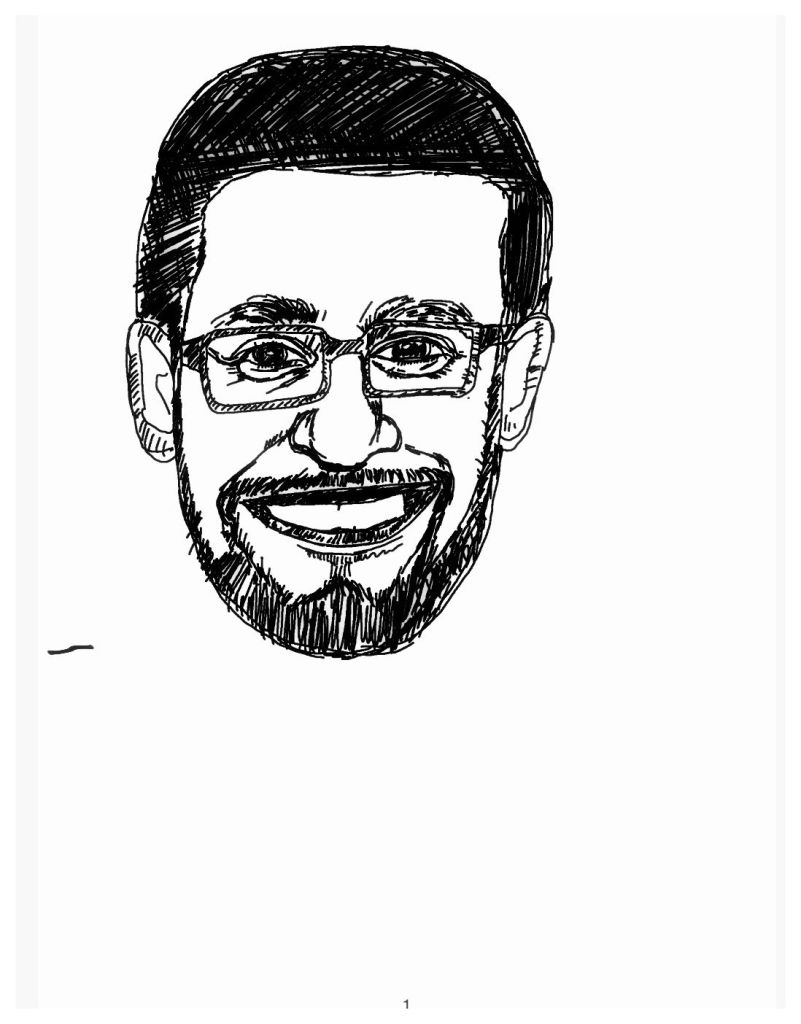
Later of course it was found to be GRAVEly important! (Those who know thyroid will get the pun; others can GOOGLE it!). Thinking of Google (I think we are always thinking of Google!); reminds me of Birthday celebrity, our own Pichai Sundararajan or Sundar Pichai! A quick scribe due to limited time!

Now search for How to fall asleep in Google and sleep!
Shubh Ratri!